Why the North Atlantic right whale was once considered the perfect target for whalers
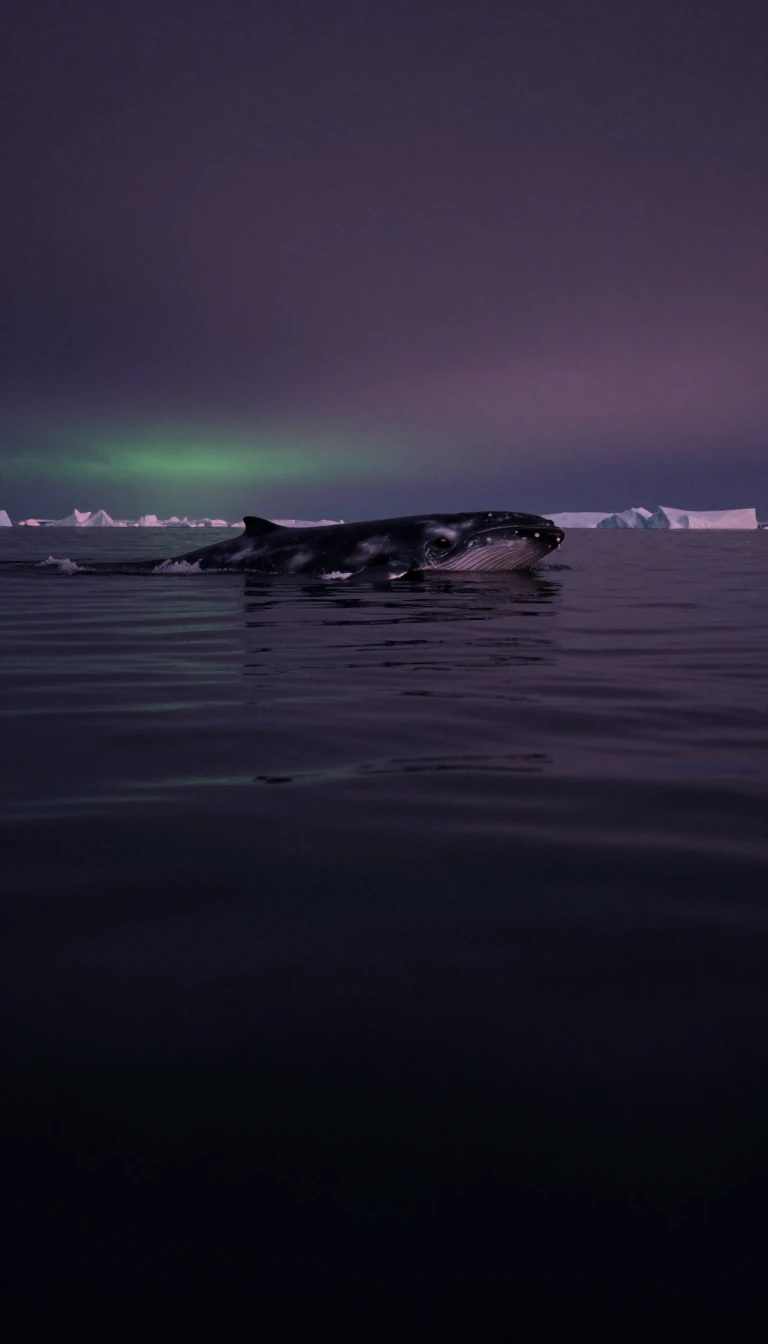
In short: These massive marine mammals earned their name because they were the right whales to hunt. Their high blubber content ensured they floated after death, making them easy to recover. Today, this once-hunted species faces a different struggle, as modern human activity threatens their survival despite the end of commercial whaling.
The North Atlantic right whale is a baleen species that feeds by straining tiny crustaceans called copepods through its sieve-like plates. These whales are physically distinct, characterized by stocky black bodies, an absence of dorsal fins, and V-shaped blow spouts. Their most unique feature is the callosity—a rough, white patch of skin on the head colonized by whale lice. Because each whale possesses a unique pattern of these patches, researchers use them as a primary tool for tracking individual health and population size.
Historically, their docile nature and tendency to swim near the coast made them easy prey. While commercial whaling is no longer a threat, the species has failed to recover to pre-whaling numbers. Today, the population is estimated at approximately 384 individuals, with fewer than 80 reproductively active females. This low number is critical because the current birth rate cannot keep pace with human-caused mortality. NOAA Fisheries has determined that for the species to recover, the population can sustain fewer than one serious injury or death per year, yet current mortality rates from fishing gear entanglement far exceed this threshold.
Beyond entanglement, vessel strikes and increasing ocean noise pose significant dangers. Noise pollution interferes with their low-frequency communication, potentially increasing stress levels. To combat these threats, scientists are deploying innovative technologies, such as digital acoustic monitoring and on-demand fishing gear that eliminates vertical lines in the water column. Furthermore, proposed regulations aim to expand mandatory speed restrictions for large vessels in critical habitats. These multifaceted efforts are essential to stabilizing a population that has been listed as endangered since 1970.
Opens the Intellect+ feed with this card first. Swipe up for the next one.
Sources
- Summary by Intellect · source: North Atlantic Right Whale
- Also: Right whales | Woods Hole Oceanographic Institution
- Also: North Atlantic right whale
To cite this card, link to https://intellectplus.co.uk/app/nature-north-atlantic-right-whale.
How we source, check and correct cards: Editorial standards.
General information, not professional advice. Spotted an error? Flag the card or see corrections and complaints.
Intellect Plus is a visual educational discovery platform for exploring fascinating facts and ideas. Brain Food, Not Brain Rot. What is Intellect Plus?
Related
More in Physical geography · More in Nature · Latest · A–Z · All topics
