Northern Canada is a vast, icy expanse that holds nearly 40% of the country's land.
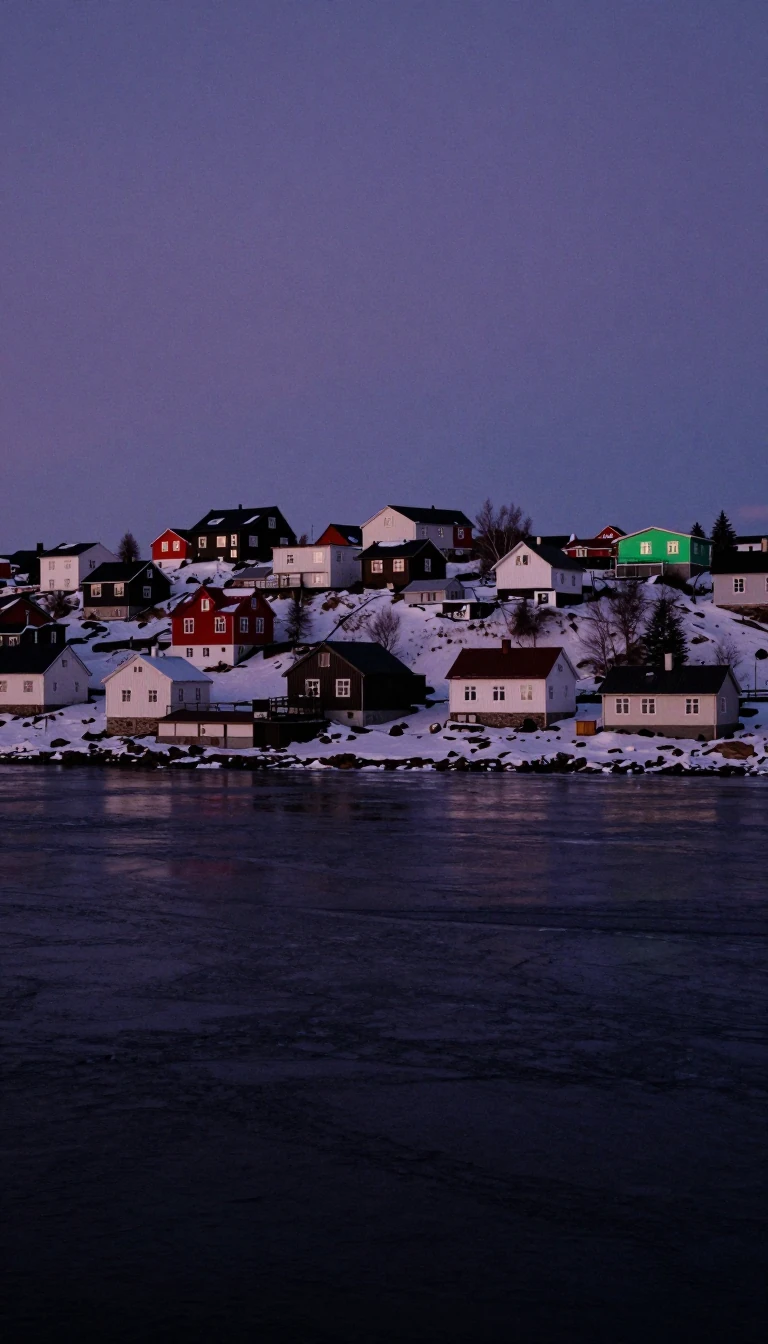
In short: Spanning three territories and covering nearly half of Canada's total landmass, the North remains a sparsely populated frontier. While it is rich in natural resources and home to diverse Indigenous cultures, its extreme climate and permafrost present unique challenges that are rapidly shifting as the polar ice cap continues to thaw.
Northern Canada is defined by two distinct regions: the near north, or sub-Arctic, and the far north, which lies beyond the tree line. The near north is characterized by boreal forests and a history tied to the North American fur trade, while the far north consists of tundra and the Barren Grounds. These regions are home to Indigenous peoples, including the First Nations, Métis, and Inuit, who have adapted to these environments over centuries. Politically, the North is comprised of the Yukon, Northwest Territories, and Nunavut, the latter of which was created in 1999 following a referendum.
The region's geography is dominated by permafrost, which makes construction hazardous and agriculture nearly impossible. Despite its vast size, the North contains less than 0.5% of Canada's total population. Economic activity is heavily reliant on natural resources, such as diamonds and minerals, though extraction is expensive and often occurs in fragile ecosystems. The government of Canada heavily subsidizes the region to offset the extremely high cost of consumer goods, as the area remains relatively poor despite higher GDP per person figures.
International tensions persist regarding the region's sovereignty, particularly concerning the Northwest Passage. Canada asserts control over these waters as internal territory, a claim contested by the United States, which views them as international waters. As climate change increases the navigability of the Arctic Ocean, these disputes have gained urgency. Since 1950, the region has experienced significant environmental shifts, including decreased sea ice cover and more intense storms, which are fundamentally altering the physical and political landscape of the Canadian North.
Opens the Intellect+ feed with this card first. Swipe up for the next one.
Sources
- Summary by Intellect · source: Northern Canada
To cite this card, link to https://intellectplus.co.uk/app/nature-northern-canada.
How we source, check and correct cards: Editorial standards.
General information, not professional advice. Spotted an error? Flag the card or see corrections and complaints.
Intellect Plus is a visual educational discovery platform for exploring fascinating facts and ideas. Brain Food, Not Brain Rot. What is Intellect Plus?
Related
More in Physical geography · More in Nature · Latest · A–Z · All topics
