Nunavut is a massive, sparsely populated territory born from a historic land claim agreement.
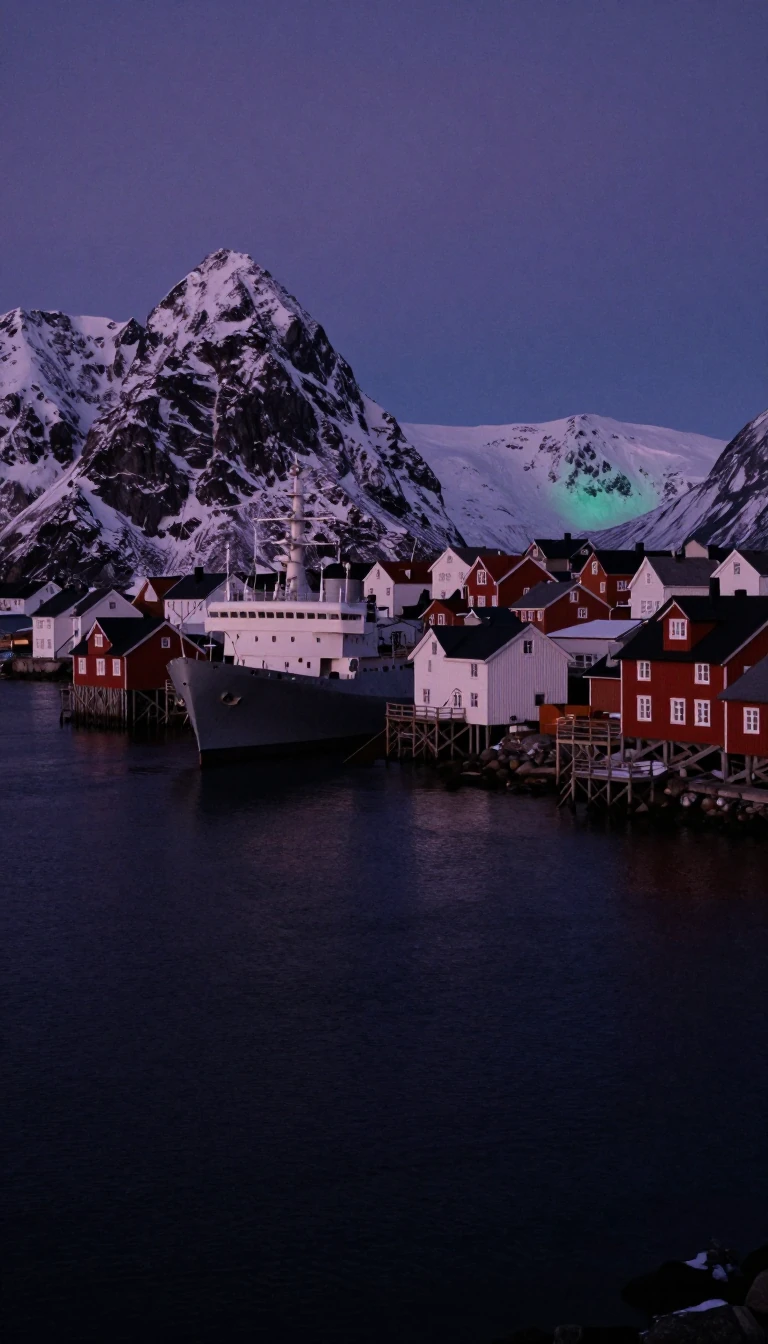
In short: Spanning nearly two million square kilometers, Nunavut is Canada's largest and most northern territory. Established in 1999 to provide self-governance for the Inuit, this vast Arctic region remains the least densely populated major subdivision on Earth, offering a unique window into indigenous sovereignty and life in the extreme north.
Nunavut was officially carved out of the Northwest Territories on April 1, 1999, following decades of political advocacy. The process was rooted in the 1993 Nunavut Land Claims Agreement, which sought to secure indigenous control over traditional lands. This transition marked the first significant alteration to Canada's political map since Newfoundland joined the confederation in 1949. Today, the territory covers a landmass comparable to Mexico, yet it remains home to fewer than 40,000 people.
The region's history is defined by successive waves of migration. Paleo-Eskimo groups, known as the Pre-Dorset, first arrived approximately 4,500 years ago, followed by the Dorset culture around 2,800 years ago. By the 11th century, ancestors of the modern Inuit began moving eastward from Alaska. By 1300, these Thule people had established settlements across most of the territory, eventually replacing the Dorset culture entirely. European contact began in 1576 with Martin Frobisher, though the region remained largely outside colonial control for centuries.
Modern Nunavut faces the complex challenge of balancing traditional culture with contemporary pressures. While the Inuit make up over 84% of the population, English remains a dominant force in schools and commerce. Efforts to revitalize indigenous languages, such as Inuktitut and Inuinnaqtun, are ongoing through specialized educational models. Meanwhile, the economy is heavily influenced by mining operations, such as the Mary River iron mine, which accounted for nearly a quarter of the territory's economic activity in 2019. Despite these industrial developments, the territory continues to grapple with its remote geography and the lasting impacts of historical government policies, including the forced relocations of the 1950s.
Opens the Intellect+ feed with this card first. Swipe up for the next one.
Sources
- Summary by Intellect · source: Nunavut
To cite this card, link to https://intellectplus.co.uk/app/culture-nunavut.
How we source, check and correct cards: Editorial standards.
General information, not professional advice. Spotted an error? Flag the card or see corrections and complaints.
Intellect Plus is a visual educational discovery platform for exploring fascinating facts and ideas. Brain Food, Not Brain Rot. What is Intellect Plus?
Related
More in US culture · More in Cultures · Latest · A–Z · All topics
