The Oligocene Epoch transformed Earth from a tropical greenhouse into a modern icehouse world.
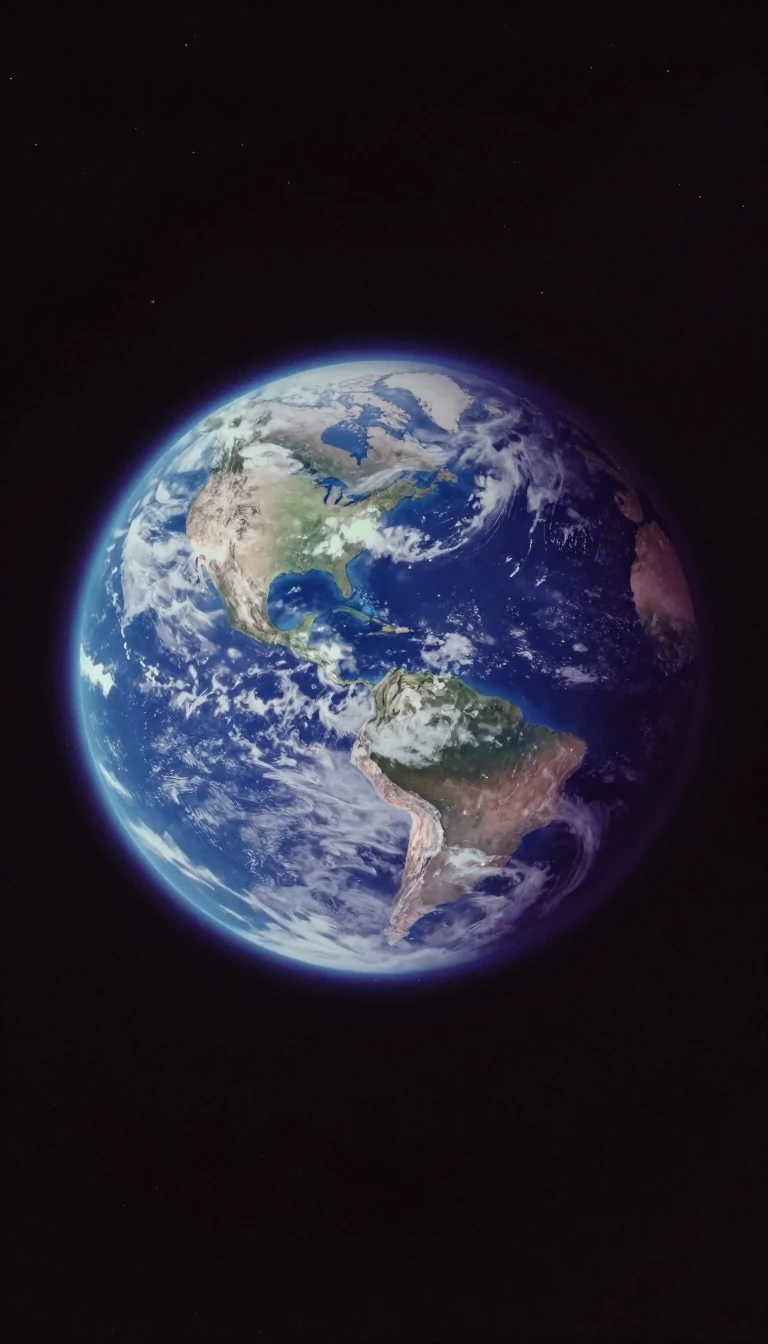
In short: Between 33.9 and 23 million years ago, Earth underwent a profound climatic shift. As tropical forests retreated and grasslands expanded, the planet cooled significantly, ice sheets covered Antarctica, and sea levels plummeted. This era of transition reshaped global ecosystems, setting the stage for the modern world we recognize today.
The Oligocene Epoch, named by Heinrich Ernst Beyrich in 1854, represents a critical bridge between the archaic, tropical Eocene and the modern ecosystems of the Miocene. This period was defined by a global cooling trend, shifting the Earth from a greenhouse state to an icehouse climate. The transition was punctuated by the Oi1 event approximately 33.55 million years ago, a cooling phase that saw global temperatures drop by 5 to 6 °C and sea levels fall by 105 meters. This event triggered the expansion of Antarctic ice sheets, which reached sea level by the early Oligocene.
Geological and tectonic shifts were central to this transformation. As continents drifted toward their present positions, the isolation of Antarctica and the development of deep ocean channels likely contributed to the cooling. Simultaneously, the rise of major mountain chains like the Alps and the Andes, along with the uplift of the Tibetan Plateau, altered global weather patterns. In North America, the peak of the Rocky Mountains and extensive volcanic activity created rich fossil beds, while the closing of the Turgai Strait facilitated a massive faunal exchange between Asia and Europe known as the Grande Coupure.
The biological impact of these changes was immense. As forests gave way to scrubland and open plains, taxonomic diversity reached a Phanerozoic low. Many Eocene species, including the Tethyan tropical biota, vanished. However, this period also saw the rise of modern mammal families, such as horses, camels, and early carnivores like dogs and cats. Grasses expanded, and kelps appeared in the fossil record for the first time. By the end of the Oligocene, the biosphere had been fundamentally reorganized, leaving behind a world that looked increasingly like our own.
Opens the Intellect+ feed with this card first. Swipe up for the next one.
Sources
- Summary by Intellect · source: Oligocene
To cite this card, link to https://intellectplus.co.uk/app/nature-oligocene.
How we source, check and correct cards: Editorial standards.
General information, not professional advice. Spotted an error? Flag the card or see corrections and complaints.
Intellect Plus is a visual educational discovery platform for exploring fascinating facts and ideas. Brain Food, Not Brain Rot. What is Intellect Plus?
Related
More in Organisms · More in Nature · Latest · A–Z · All topics
