The onager is a prehistoric survivor that once roamed from Europe to Siberia
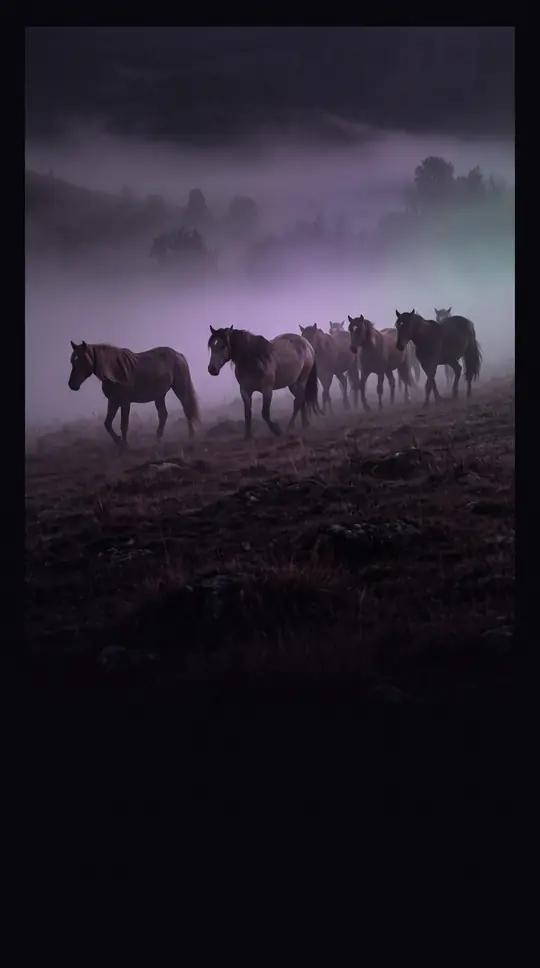
In short: Known as the half-donkey, the onager is among the fastest mammals on earth. This resilient equid has survived for millions of years across the arid landscapes of Asia, yet today it faces a precarious future, with its once-vast range shattered by habitat loss, poaching, and the encroachment of human infrastructure.
The onager, or Equus hemionus, is an ancient species with a lineage stretching back over four million years. As one of the earliest divergences within the genus Equus, it predates both zebras and modern horses. Historically, these animals occupied a massive territory spanning from Europe and the Levant to the vast steppes of Siberia and the Arabian Peninsula. Today, however, their presence is restricted to fragmented populations in countries including Iran, Mongolia, India, and Turkmenistan. The species is currently classified as Near Threatened, with an estimated 28,000 mature individuals remaining in the wild.
Adaptability is the hallmark of the onager. These equids thrive in extreme environments, from the scorching deserts of the Gobi to mountainous steppes. When surface water is scarce, they use their hooves to dig into dry riverbeds, accessing vital subsurface moisture. Their social structures are equally flexible, shifting between solitary behavior, harem-based groups, and large, temporary associations of up to 1,200 individuals depending on local resources and predation threats. Despite this versatility, they are notoriously difficult to tame, a trait that distinguishes them from their domesticated cousins.
The historical relationship between humans and onagers is complex. Ancient Sumerians famously utilized 'kungas'—hybrids of onagers and donkeys—to pull chariots as early as 2600 BC. In modern times, the primary threats to the species are anthropogenic. Mining activities in Mongolia have introduced fences and railways that fragment critical habitats, while poaching for meat and hides remains a persistent danger. Conservation efforts are now focused on reintroduction programs, such as those in Israel and Jordan, and fostering local involvement to protect these resilient survivors. As genetic studies continue to refine our understanding of their taxonomy, the survival of the onager remains a critical test of our commitment to preserving the world's wild equids.
Opens the Intellect+ feed with this card first. Swipe up for the next one.
Sources
- Summary by Intellect · source: Onager
To cite this card, link to https://intellectplus.co.uk/app/nature-onager.
How we source, check and correct cards: Editorial standards.
General information, not professional advice. Spotted an error? Flag the card or see corrections and complaints.
Intellect Plus is a visual educational discovery platform for exploring fascinating facts and ideas. Brain Food, Not Brain Rot. What is Intellect Plus?
Related
More in Vertebrates · More in Nature · Latest · A–Z · All topics
