The Orient is a shifting geographic concept rooted in the direction of the sunrise.
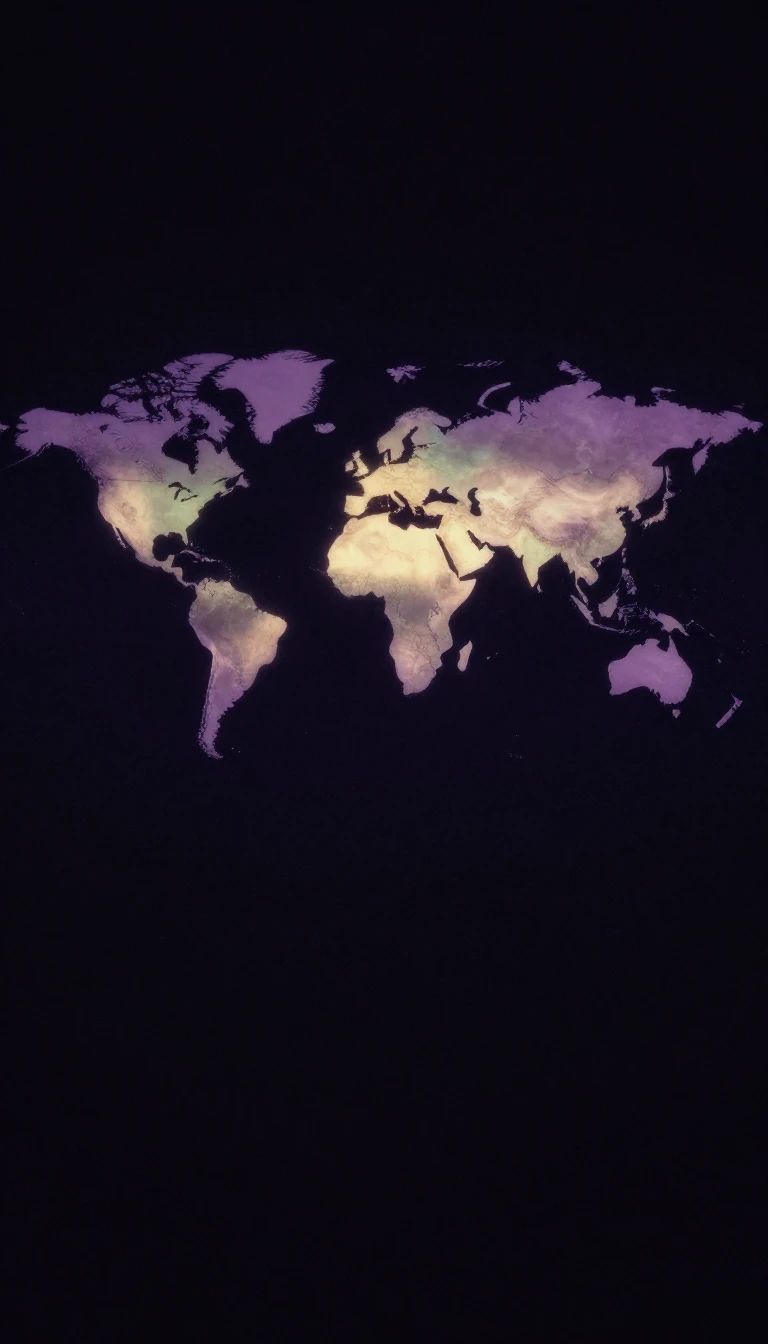
In short: Derived from the Latin word for rising, the term Orient has historically designated everything from the Near East to the Far East. While it once defined vast swathes of Asia and North Africa, its meaning has contracted and evolved, becoming a contentious label in modern Western discourse regarding identity and race.
The term Orient originates from the Latin 'oriens', meaning 'rising', a linguistic pattern mirrored in many languages where the word for east is synonymous with sunrise. Historically, this concept was fluid. During the reign of Emperor Diocletian between 284 and 305, the Diocese of the Orient was established, marking a formal administrative use of the term. Over centuries, as European exploration expanded, the common understanding of the Orient shifted progressively eastward, eventually settling on the region Westerners termed the Far East.
By the 19th century, the term had become a broad cultural category. Scholars and artists, often called Orientalists, applied the label to diverse regions, from the Levant to India and China. In 1978, Edward Said famously critiqued this tradition, arguing that 'Orientalism' represented a prejudiced, imperialist framework for interpreting Arab and Muslim worlds. This scholarly usage contrasts with the term's contemporary status in the United States, where it is often viewed as a dated or derogatory racialization of East and Southeast Asian peoples.
The usage remains inconsistent across different regions and contexts. In the United Kingdom, for instance, the term is sometimes used to describe people of East Asian descent, though official guidelines now discourage it. Conversely, in Uruguay, 'Oriental' serves as a formal demonym for citizens, derived from the country's location east of the Uruguay River. Today, while the term has largely faded from academic and political discourse in favor of more precise geographic identifiers, it persists in specific niches, such as the trade of traditional rugs or the naming of local businesses.
Opens the Intellect+ feed with this card first. Swipe up for the next one.
Sources
- Summary by Intellect · source: Orient
To cite this card, link to https://intellectplus.co.uk/app/nature-orient.
How we source, check and correct cards: Editorial standards.
General information, not professional advice. Spotted an error? Flag the card or see corrections and complaints.
Intellect Plus is a visual educational discovery platform for exploring fascinating facts and ideas. Brain Food, Not Brain Rot. What is Intellect Plus?
Related
More in Physical geography · More in Nature · Latest · A–Z · All topics
