Why the Far East is a matter of perspective rather than geography
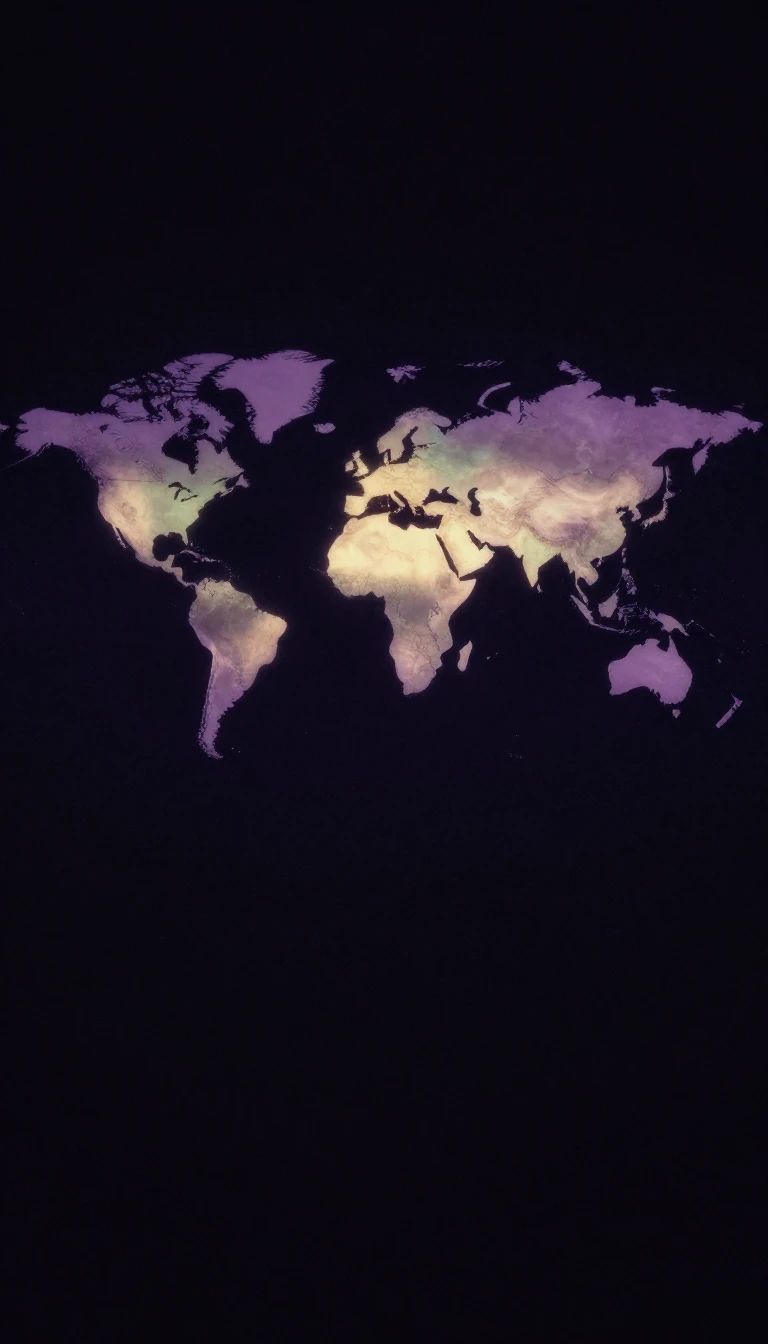
In short: The Far East is not a fixed location but a relic of European-centered worldviews. While the term once defined lands beyond the Middle East for colonial powers, it ignores the perspective of those living there. Today, it is largely replaced by Asia-Pacific, revealing how our maps reflect our politics.
The term Far East emerged in the 15th century as European powers, particularly the British, categorized the world relative to their own position. It served as a geopolitical marker for regions extending beyond the Near and Middle East. By the 19th century, it functioned as a blanket description for territories east of the British Indian Empire, encompassing East and Southeast Asia. This classification was inherently Eurocentric, positioning Europe as the civilized center of the world.
Cultural subjectivity often dictates the label's application. For instance, Australia and New Zealand, despite being geographically further east of Europe than many Asian nations, are never included in the Far East because they are culturally Western. Conversely, in 1939, Australian Prime Minister Robert Menzies famously noted that while Britain viewed the region as the Far East, to Australia, it was simply the 'near north.' This highlights how the label describes a relationship to power rather than a physical coordinate.
Since the mid-20th century, the term has largely fallen out of favor in international media due to its colonial connotations. Scholars like John K. Fairbank and Edwin O. Reischauer argued that the label is outdated and geographically imprecise. For those living in the region, the area is neither 'East' nor 'Far.' While it persists in the names of specific institutions—such as the Far Eastern Federal University in Vladivostok—and in Russian usage to describe its own remote eastern territories, the broader shift toward 'Asia-Pacific' reflects a modern move away from Eurocentric definitions.
The term's legacy remains a case study in how language shapes our understanding of global space. By relying on a perspective that places Europe at the center, the Far East label obscures the reality that geography is relative. As global discourse evolves, the abandonment of such terms signals a broader recognition that the world looks very different depending on where you stand.
Opens the Intellect+ feed with this card first. Swipe up for the next one.
Sources
- Summary by Intellect · source: Far East
To cite this card, link to https://intellectplus.co.uk/app/nature-far-east.
How we source, check and correct cards: Editorial standards.
General information, not professional advice. Spotted an error? Flag the card or see corrections and complaints.
Intellect Plus is a visual educational discovery platform for exploring fascinating facts and ideas. Brain Food, Not Brain Rot. What is Intellect Plus?
Related
More in Physical geography · More in Nature · Latest · A–Z · All topics
