The bird-footed dinosaurs were the most successful herbivores of the Cretaceous period
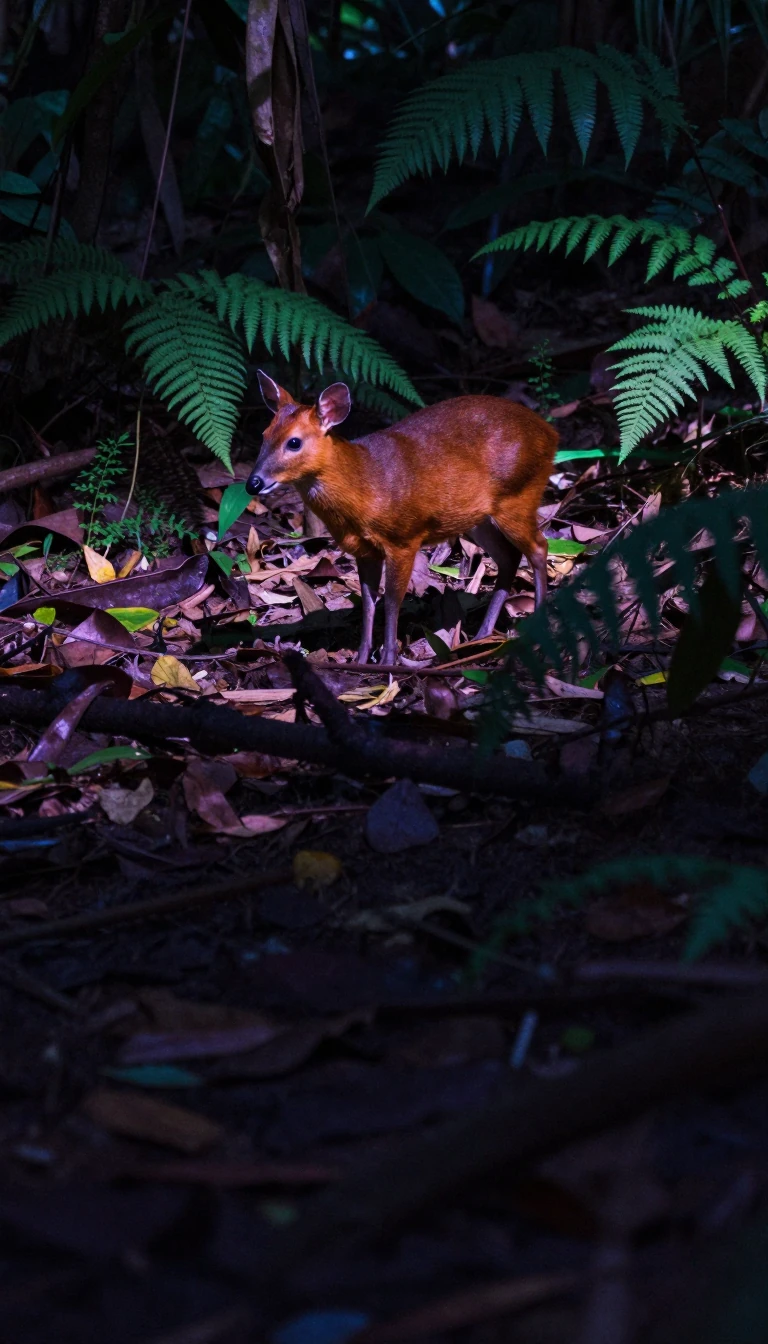
In short: Ornithopods, meaning bird-foot, were a remarkably enduring lineage of dinosaurs that thrived for over 160 million years. From small, swift bipeds to the massive, duck-billed grazers of the Late Cretaceous, these animals evolved a sophisticated chewing apparatus that rivaled the digestive efficiency of modern ruminants like cattle and deer.
The Ornithopoda group emerged during the Late Triassic and persisted until the end of the Cretaceous Period, roughly 229 to 65.5 million years ago. Their name originates from their characteristic bipedal stance and bird-like feet. While early members like the Fabrosauridae were small, lightly built creatures measuring 60 to 120 centimeters, the lineage underwent significant evolutionary changes over millions of years. As they transitioned from small, fast-running bipeds to larger, more specialized herbivores, they developed increasingly complex dental batteries and cheek pouches, allowing them to process tougher vegetation with greater efficiency.
By the Late Cretaceous, the group reached its peak diversity with the Hadrosauridae, or duck-billed dinosaurs. These animals, such as Shantungosaurus and Parasaurolophus, were among the most abundant dinosaurs in North America. Unlike their ancestors, advanced hadrosaurs and iguanodontids often moved on all fours, though they retained the ability to run on two legs. Their physical adaptations were striking: they lost front teeth, developed blocky wrist bones, and evolved specialized grinding teeth. Some, like the lambeosaurines, even sported elaborate bony crests on their skulls, while others, such as Maiasaura, are known to have traveled in large herds and provided care for their young.
The evolutionary success of ornithopods was largely due to their sophisticated feeding mechanics. While early species were likely browsers or frugivores, later iguanodontians became bulk feeders capable of subsisting on less nutritious vegetation through extended gut passage times. This transition allowed them to dominate various ecological niches across the globe. Despite their eventual extinction during the Cretaceous–Paleogene event, their legacy remains a testament to one of the most enduring and adaptable dinosaur lineages in history, showcasing a remarkable trajectory from small, agile runners to the massive, complex grazers that defined the final age of the dinosaurs.
Opens the Intellect+ feed with this card first. Swipe up for the next one.
Sources
- Summary by Intellect · source: Ornithopod | Herbivorous, Bipedal Dinosaur | Britannica
- Also: Ornithopoda
To cite this card, link to https://intellectplus.co.uk/app/nature-ornithopoda.
How we source, check and correct cards: Editorial standards.
General information, not professional advice. Spotted an error? Flag the card or see corrections and complaints.
Intellect Plus is a visual educational discovery platform for exploring fascinating facts and ideas. Brain Food, Not Brain Rot. What is Intellect Plus?
Related
More in Vertebrates · More in Nature · Latest · A–Z · All topics
