The layered, flaky flatbread that traveled the Silk Road to become a global staple.
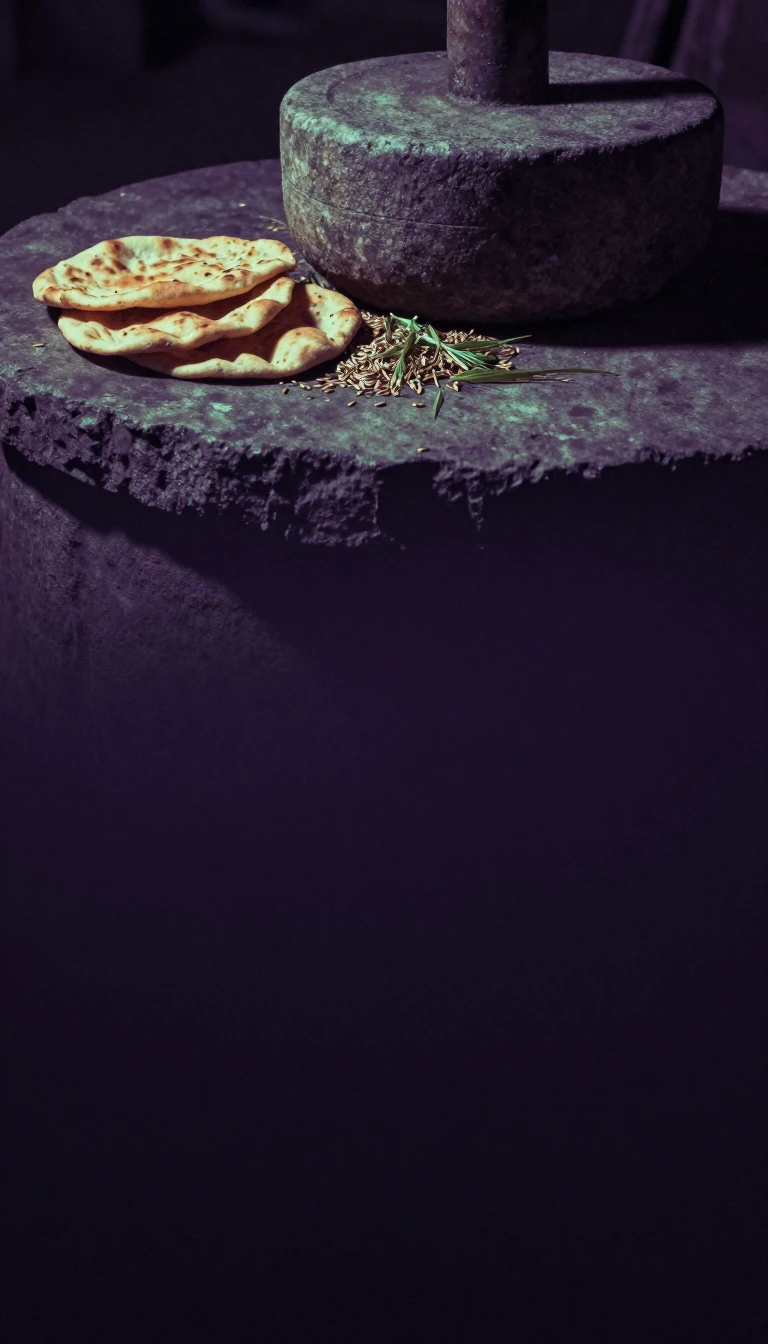
In short: Paratha is more than just a flatbread; it is a marvel of culinary engineering. By laminating wheat dough with ghee, cooks create delicate, crispy layers that mimic puff pastry. From the bustling streets of Kolkata to the kitchens of the Caribbean, this ancient staple has evolved into countless regional variations.
At its core, paratha is a study in lamination. Unlike leavened breads that rely on yeast or chemical agents to rise, paratha achieves its signature texture through the physical folding of dough. By repeatedly rolling and folding the mixture—often with ghee or oil—the cook creates distinct layers. When fried on a hot iron griddle, or tava, the steam trapped between these thin sheets separates the crust from the crumb, resulting in a flaky, sturdy bread capable of holding heavy curries or acting as a wrap for kebabs.
The origins of this technique are debated among historians. While some suggest it evolved from Persian flatbreads like waraki, others point to the influence of Arab arrivals or even Central Asian culinary traditions brought via the Silk Road. The earliest written records appear in the 12th-century Sanskrit work Manasollasa, though these versions likely resembled different breads than the modern iteration. Its popularity surged during the Mughal Empire, which helped standardize and spread the dish across the Indian subcontinent.
The bread's adaptability has allowed it to transcend borders. During the British imperial era, indentured workers carried the tradition to Mauritius, Southeast Asia, and the Caribbean. In Malaysia, it became the famous roti canai, while in Trinidad, a version known as buss-up-shut evolved to accommodate local ingredients. Today, paratha remains a versatile canvas, ranging from the potato-stuffed aloo paratha of North India to the bun-shaped variants found in Tamil Nadu, proving that a simple combination of flour, water, and fat can sustain and delight across vastly different cultures.
Opens the Intellect+ feed with this card first. Swipe up for the next one.
Sources
- Summary by Intellect · source: Paratha
To cite this card, link to https://intellectplus.co.uk/app/nature-paratha.
How we source, check and correct cards: Editorial standards.
General information, not professional advice. Spotted an error? Flag the card or see corrections and complaints.
Intellect Plus is a visual educational discovery platform for exploring fascinating facts and ideas. Brain Food, Not Brain Rot. What is Intellect Plus?
Related
More in Organisms · More in Nature · Latest · A–Z · All topics
