Why Australia's Possums Are Not Actually Related to the Opossums of the Americas
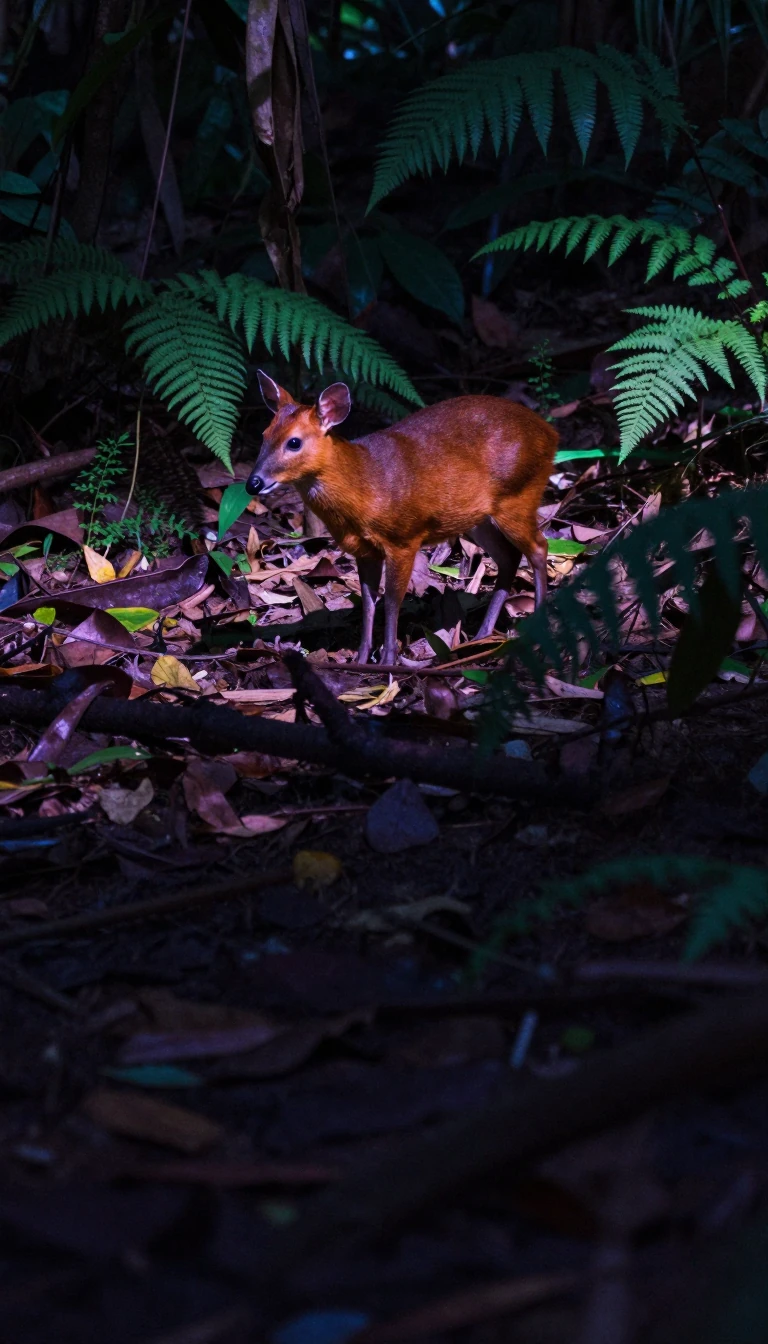
In short: Though they share a name and a pouch, the possums of Australia and the opossums of the Americas are distinct evolutionary branches. These nocturnal, largely tree-dwelling marsupials belong to the suborder Phalangeriformes, a diverse group of about 70 species that includes everything from tiny pygmy possums to large bear cuscuses.
Phalangeriformes are quadrupedal marsupials native to Australia, New Guinea, and Sulawesi. As members of the order Diprotodontia, they are more closely related to kangaroos and wallabies than to the American opossums that inspired their common name. The term 'possum' itself traces back to the Powhatan word 'aposoum', meaning 'white animal', which early observers mistakenly applied to the Australasian creatures due to a superficial resemblance.
The suborder is remarkably diverse in size and diet. The smallest member, the Tasmanian pygmy possum, weighs a mere 10 grams and measures 70 millimeters in head-body length, making it the smallest diprotodont marsupial in existence. At the other end of the spectrum, the bear cuscus can exceed 7 kilograms. Their dietary habits are equally varied, ranging from the specialist eucalyptus-browsing of the greater glider to the insectivorous habits of the mountain pygmy possum and the nectar-feeding of the honey possum.
Taxonomy remains a subject of active scientific debate. While traditional classifications group them as a distinct suborder, research suggests Phalangeriformes may be paraphyletic, meaning the group does not include all descendants of a common ancestor. Specifically, some studies indicate that Macropodiformes—the group containing kangaroos and wallabies—might actually be a subset of the Phalangeriformes. This complexity highlights the ongoing challenge of mapping the evolutionary history of marsupials, where genetic data often complicates established morphological categories. Whether living in dense vegetation or adapting to modern urban environments, these creatures remain a central, if taxonomically fluid, component of the Australasian landscape.
Opens the Intellect+ feed with this card first. Swipe up for the next one.
Sources
- Summary by Intellect · source: Phalangeriformes
To cite this card, link to https://intellectplus.co.uk/app/nature-phalangeriformes.
How we source, check and correct cards: Editorial standards.
General information, not professional advice. Spotted an error? Flag the card or see corrections and complaints.
Intellect Plus is a visual educational discovery platform for exploring fascinating facts and ideas. Brain Food, Not Brain Rot. What is Intellect Plus?
Related
More in Organisms · More in Nature · Latest · A–Z · All topics
