The world's most abundant bird family includes everything from chickens to wild turkeys
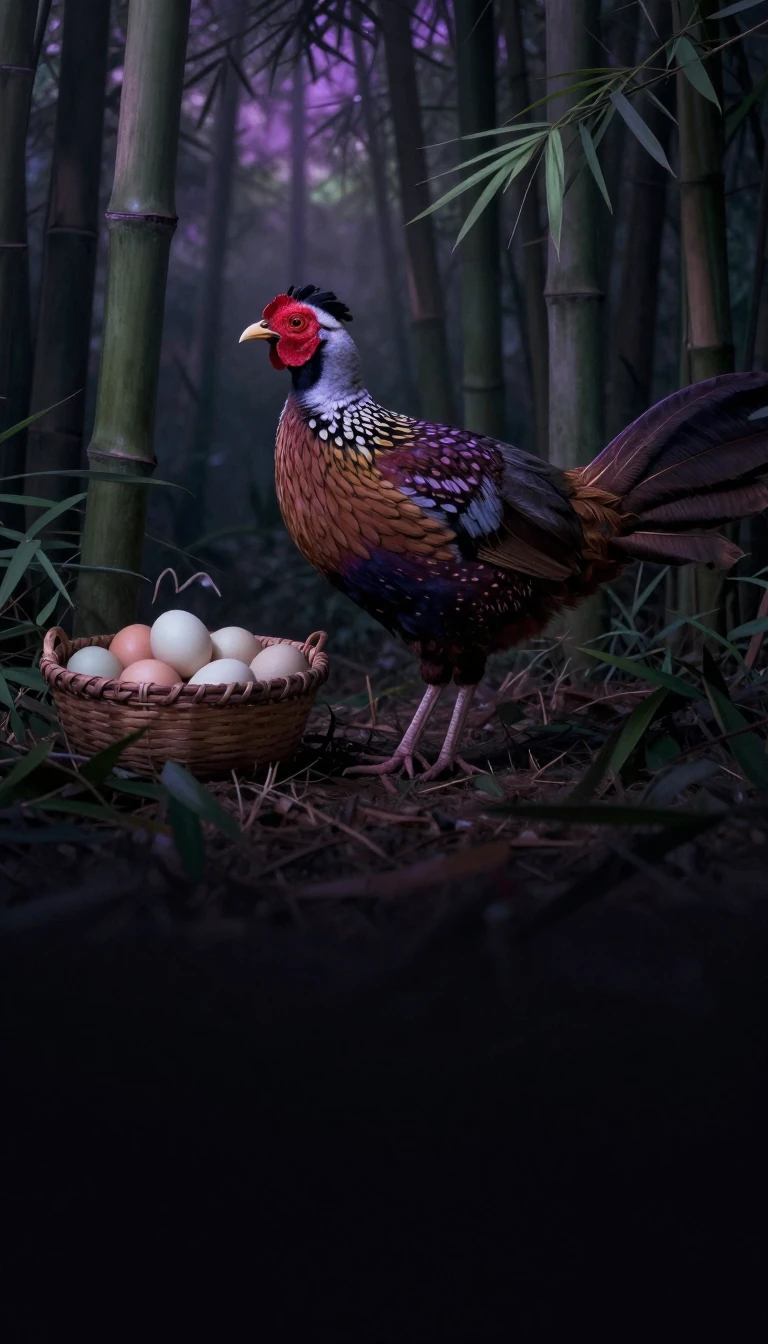
In short: Phasianidae is a massive, diverse family of ground-dwelling birds that has reshaped human history. While we often view chickens, pheasants, and turkeys as distinct groups, they are all part of a single, complex lineage that spans the globe and ranges from tiny quails to massive, ornate peafowl.
The Phasianidae family, the largest group within the order Galliformes, comprises 185 species across 54 genera. These birds are primarily terrestrial, defined by their plump bodies, broad wings, and powerful legs. Their physical diversity is striking: the king quail weighs as little as 43 grams, while the wild turkey can exceed 17 kilograms. This variation extends to their plumage and ornaments, with males of many species boasting bright colors, combs, wattles, or crests to aid in complex breeding displays.
Taxonomically, the family has undergone significant revision. Historically, it was split into subfamilies like Phasianinae and Perdicinae, but molecular phylogenies have revealed these divisions were not monophyletic. Modern evidence now suggests a structure involving subfamilies such as Rollulinae and Phasianinae. Notably, groups once considered separate families—such as turkeys and grouse—are now recognized as deeply nested within the Phasianidae lineage. The earliest fossil records for this family date back to the late Oligocene, approximately 30 million years ago.
The family's relationship with humans is profound. The red junglefowl is the wild ancestor of the domestic chicken, which stands as the most abundant bird subspecies globally, with a population exceeding 26.5 billion. Beyond agriculture, many phasianids, such as pheasants and partridges, have been introduced worldwide for hunting. While some species are sedentary, others undertake long migrations. Their breeding strategies are equally varied; unlike most birds, many phasianids are polygamous, and nesting typically occurs on the ground, though exceptions like the tragopan nest in trees.
The name Phasianidae itself carries a historical weight, derived from the genus Phasianus. This traces back to the ancient name for the Rioni River in modern-day Georgia, where Argonauts reportedly first encountered these birds. Today, the greatest diversity of these species remains concentrated in Southeast Asia and Africa, though their influence—both as a food source and as a subject of biological study—is truly universal.
Opens the Intellect+ feed with this card first. Swipe up for the next one.
Sources
- Summary by Intellect · source: Phasianidae
- Also: www.britannica.com — Phasianidae | bird family | Britannica
To cite this card, link to https://intellectplus.co.uk/app/nature-phasianidae.
How we source, check and correct cards: Editorial standards.
General information, not professional advice. Spotted an error? Flag the card or see corrections and complaints.
Intellect Plus is a visual educational discovery platform for exploring fascinating facts and ideas. Brain Food, Not Brain Rot. What is Intellect Plus?
Related
More in Organisms · More in Nature · Latest · A–Z · All topics
