These shimmering polar clouds are the silent architects of our planet's ozone destruction
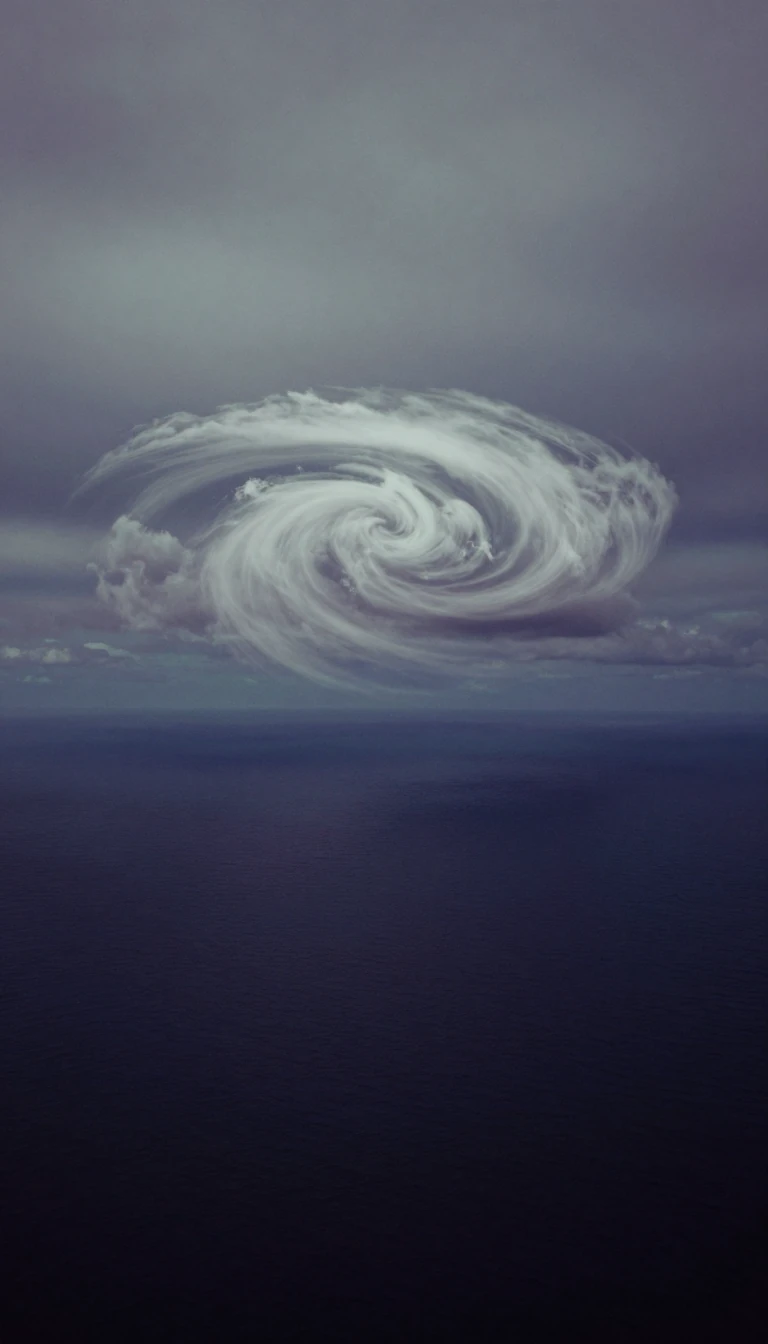
In short: High above the poles, rare clouds form in the extreme winter cold. While they appear beautiful, these structures act as chemical factories. They provide surfaces for reactions that transform stable chlorine into ozone-destroying radicals, fundamentally altering the atmosphere and influencing the climate in ways we are only beginning to understand.
Polar stratospheric clouds (PSCs) emerge within the stable polar vortex, a circumpolar circulation that traps frigid air during the winter. These clouds are composed of supercooled liquid droplets or crystalline phases, such as ice and nitric acid trihydrate. Their formation is highly sensitive to local conditions, including moisture levels, nitric acid concentrations, and dynamical cooling processes like wave-driven temperature drops.
The primary danger of these clouds lies in their ability to facilitate heterogeneous chemical reactions. By providing a physical surface, they convert reservoir chlorine species into active radicals. When spring sunlight returns, these radicals catalyze the rapid destruction of ozone. Furthermore, the sedimentation of heavy cloud particles leads to denitrification—the removal of reactive nitrogen—and dehydration, which further disrupts the chemical balance of the stratosphere and accelerates ozone depletion.
Recent research suggests that the frequency of these clouds in the Arctic is changing. Modelling indicates that if temperature differences between the equator and the poles decrease, or if methane levels rise, PSC formation could increase significantly. This potential shift is concerning because enhanced cloud coverage does more than just deplete ozone; it also amplifies radiative forcing, creating non-linear feedback loops between cloud microphysics, atmospheric chemistry, and global climate patterns.
Understanding these dynamics is essential for predicting the recovery of the ozone layer and assessing the impact of human-driven perturbations. Scientists are currently using high-top atmospheric models and long-term lidar measurements to untangle the complex interplay between halogen chemistry and large-scale circulation. As we look to the future, the sensitivity of these clouds to greenhouse gases and orography remains a critical focus for climate science.
Opens the Intellect+ feed with this card first. Swipe up for the next one.
Sources
- Summary by Intellect · source: Polar Stratospheric Cloud Dynamics and Ozone Depletion | Atmospheric Composition, Chemistry and Processes | Atmospheric Sciences | Earth & environmental sciences | Topics | Nature Index
- Also: Polar stratospheric cloud
- Also: Polar Stratospheric Clouds - NASA
To cite this card, link to https://intellectplus.co.uk/app/nature-polar-stratospheric-cloud.
How we source, check and correct cards: Editorial standards.
General information, not professional advice. Spotted an error? Flag the card or see corrections and complaints.
Intellect Plus is a visual educational discovery platform for exploring fascinating facts and ideas. Brain Food, Not Brain Rot. What is Intellect Plus?
Related
More in Air · More in Nature · Latest · A–Z · All topics
