The resilient purslane can switch its internal engine to survive harsh environments
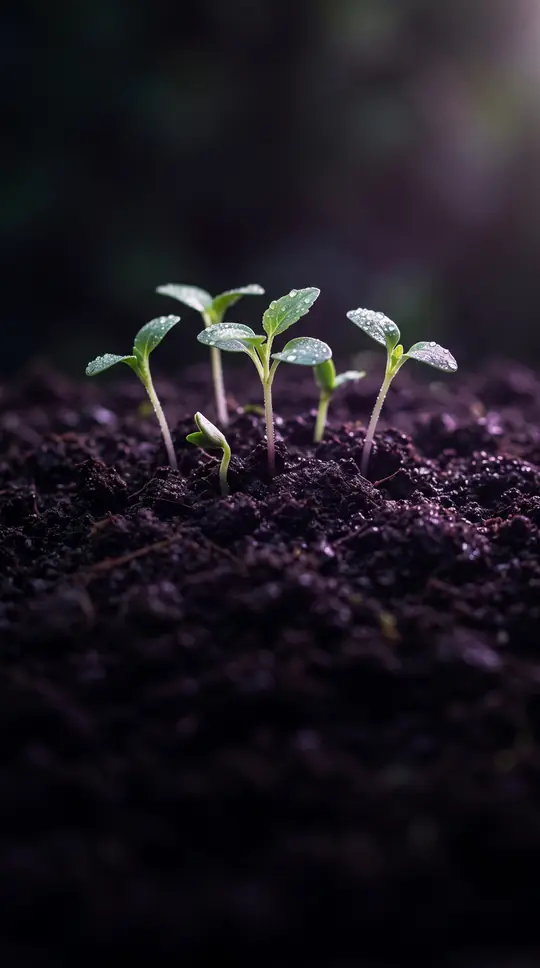
In short: The Portulaca genus is far more than a simple garden ornamental. These plants possess a remarkable biological flexibility, allowing them to toggle between different photosynthetic pathways depending on their surroundings. Whether as a common edible weed or a decorative bloom, these succulents have mastered the art of environmental adaptation.
The genus Portulaca, the namesake of the Portulacaceae family, encompasses over 100 distinct species distributed across tropical and warm temperate regions globally. While some varieties like Portulaca grandiflora are celebrated for their ornamental beauty in gardens, others, such as the common purslane (Portulaca oleracea), are widely consumed as food. This versatility extends to their ecological role; common purslane serves as a feed source for chickens and provides sustenance for the larvae of various Lepidoptera, including the nutmeg moth.
What truly sets these plants apart is their sophisticated metabolic machinery. Certain Portulaca species exhibit a rare ability to switch their photosynthetic strategy, utilizing either the C4 or the CAM light-independent pathway as environmental conditions dictate. This physiological plasticity allows them to thrive in varied climates where water availability or temperature might otherwise limit plant growth. Such adaptability explains why some species, like the common purslane, can become invasive in certain regions.
The taxonomy of the group has historically been complex, with several species once classified under Portulaca now reassigned to other genera. For instance, plants previously identified as P. arachnoides or P. filamentosa are now categorized under Anacampseros. Similarly, the plant known as sea purslane or dampalit, Sesuvium portulacastrum, is distinct from the true purslanes despite the shared common name. Understanding these distinctions is vital for recognizing the diverse survival strategies employed by these resilient succulents, which can reach heights of up to 40 centimetres in the case of the common purslane.
Opens the Intellect+ feed with this card first. Swipe up for the next one.
Sources
- Summary by Intellect · source: Portulaca
- Also: Common Purslane (Portulaca oleracea)
- Also: sea purslane (Sesuvium portulacastrum)
To cite this card, link to https://intellectplus.co.uk/app/nature-portulaca.
How we source, check and correct cards: Editorial standards.
General information, not professional advice. Spotted an error? Flag the card or see corrections and complaints.
Intellect Plus is a visual educational discovery platform for exploring fascinating facts and ideas. Brain Food, Not Brain Rot. What is Intellect Plus?
Related
More in Physical geography · More in Nature · Latest · A–Z · All topics
