Urban expansion drives native species loss and biological homogenization
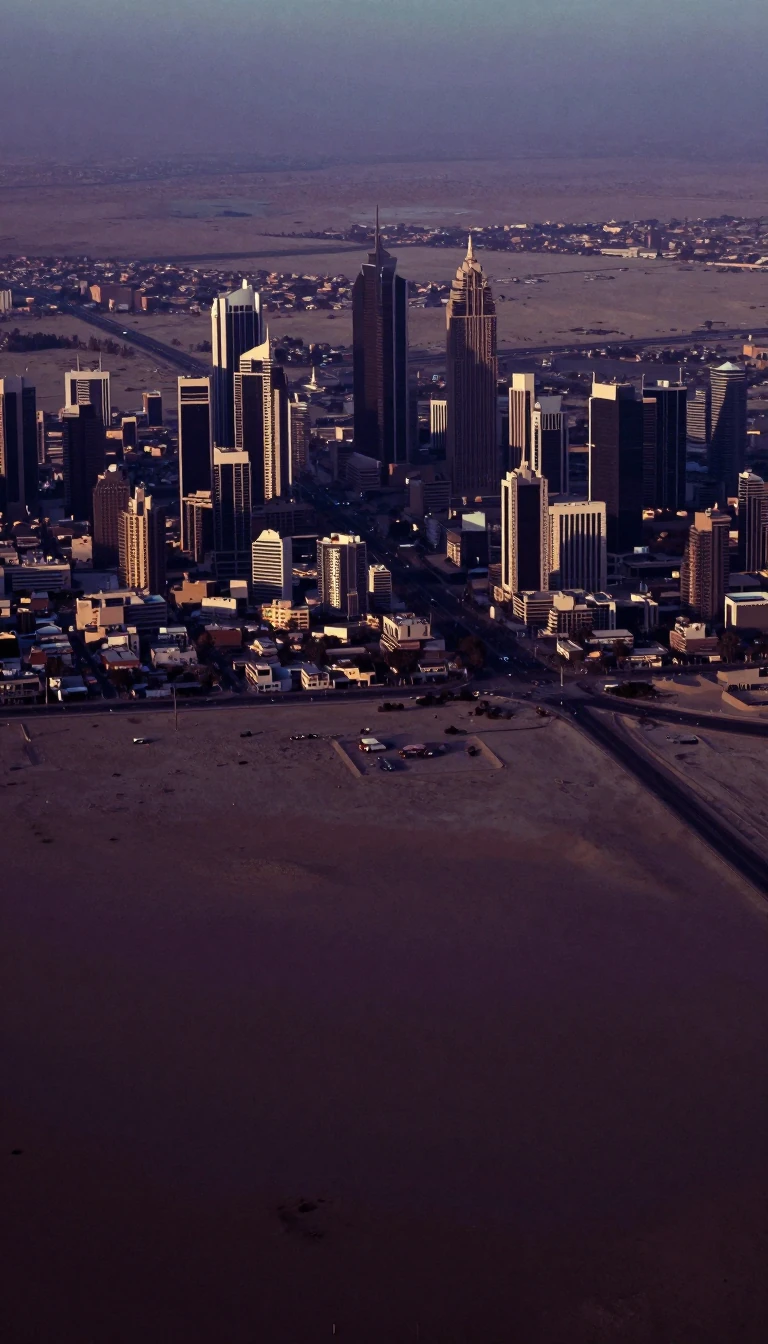
In short: Research reviewing urban-gradient studies found that urban development causes high local extinction rates, often eliminating most native species. As cities expand, widespread nonnative species frequently replace the lost native populations, a process known as biotic homogenization that reduces the biological uniqueness of local ecosystems.
Unlike habitats lost to farming or logging, which may undergo ecological succession, urbanized areas often persist and expand. Studies of plants, birds, and butterflies show that nonnative species counts increase toward urban centers while native species counts decrease.
This highlights how urban growth fundamentally alters ecosystem composition by replacing unique local life with common, widespread species.
Why it matters: Urbanization doesn't just reduce biodiversity; it replaces unique local species with common, widespread ones.
Opens the Intellect+ feed with this card first. Swipe up for the next one.
Sources
- Summary by Intellect · source: Research: McKinney (2002). Urbanization, Biodiversity, and Conservation. BioScience.
To cite this card, link to https://intellectplus.co.uk/app/nature-research-urbanization-drives-native-species-loss-and-biotic-homogeniz.
How we source, check and correct cards: Editorial standards.
General information, not professional advice. Spotted an error? Flag the card or see corrections and complaints.
Intellect Plus is a visual educational discovery platform for exploring fascinating facts and ideas. Brain Food, Not Brain Rot. What is Intellect Plus?
Related
More in Ecology · More in Nature · Latest · A–Z · All topics
