Wildlife are increasingly shifting their active hours to avoid human presence
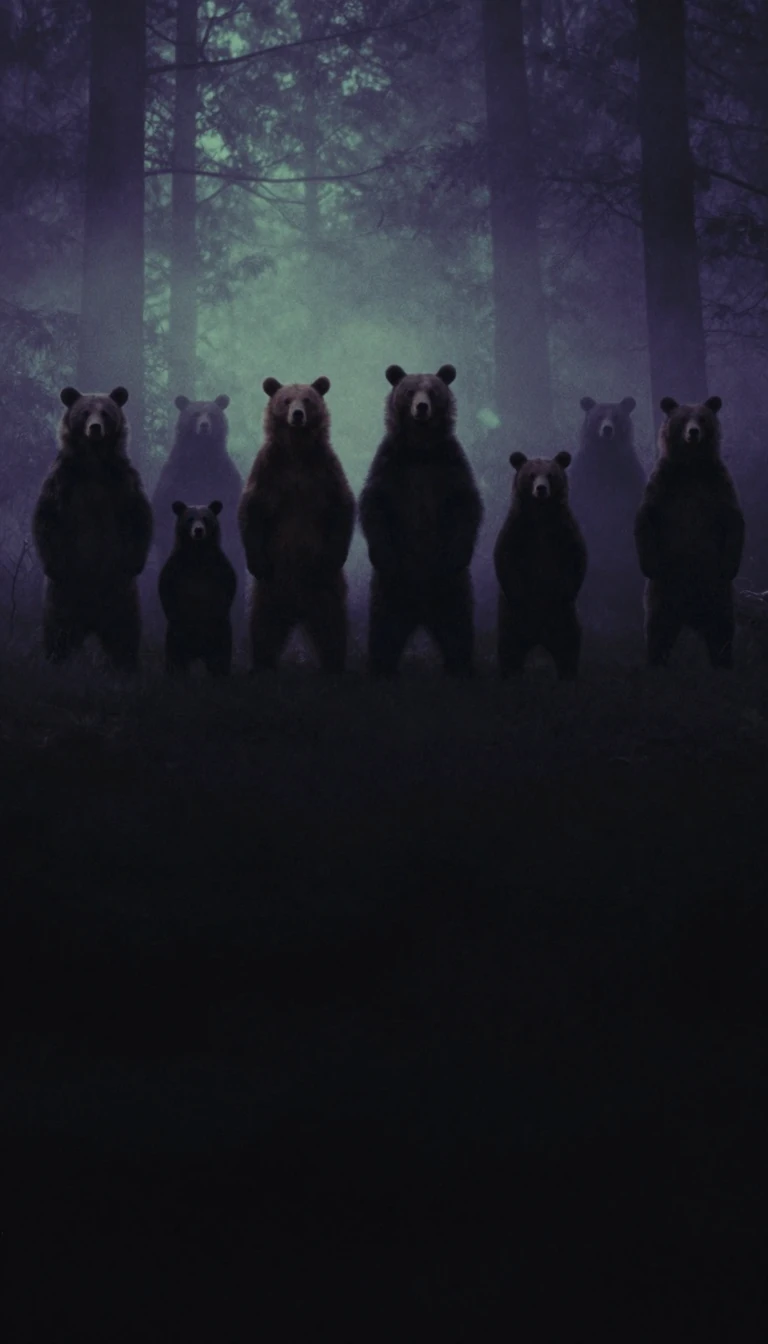
In short: A global meta-analysis of 76 studies involving 62 different species found that human activity significantly alters the daily schedules of wildlife. The researchers discovered that animals across six continents have increased their nocturnality—the proportion of time spent active at night—by an average of 1.36 as a result of human disturbance.
This shift suggests that many species are adopting nocturnal lifestyles to coexist with expanding human footprints. While this temporal avoidance helps animals avoid direct conflict, it may also disrupt natural behaviors, potentially impacting their fitness and long-term survival.
The study synthesized data from diverse habitats and taxa globally. However, as a meta-analysis of existing literature, the findings rely on the quality and scope of previous studies rather than new primary observations.
Why it matters: Human expansion is reshaping the biological clocks of wildlife, forcing many species to become more nocturnal to survive.
Opens the Intellect+ feed with this card first. Swipe up for the next one.
Sources
- Source: Research: Gaynor et al. (2018). The influence of human disturbance on wildlife nocturnality. Science. · cc-by-sa
To cite this card, link to https://intellectplus.co.uk/app/nature-research-wildlife-are-increasingly-shifting-their-active-hours-to-avo.
How we source, check and correct cards: Editorial standards.
General information, not professional advice. Spotted an error? Flag the card or see corrections and complaints.
Intellect Plus is a visual educational discovery platform for exploring fascinating facts and ideas. Brain Food, Not Brain Rot. What is Intellect Plus?
Related
More in Ecology · More in Nature · Latest · A–Z · All topics
