Sea spiders are not spiders, but bizarre marine arthropods with organs inside their legs.
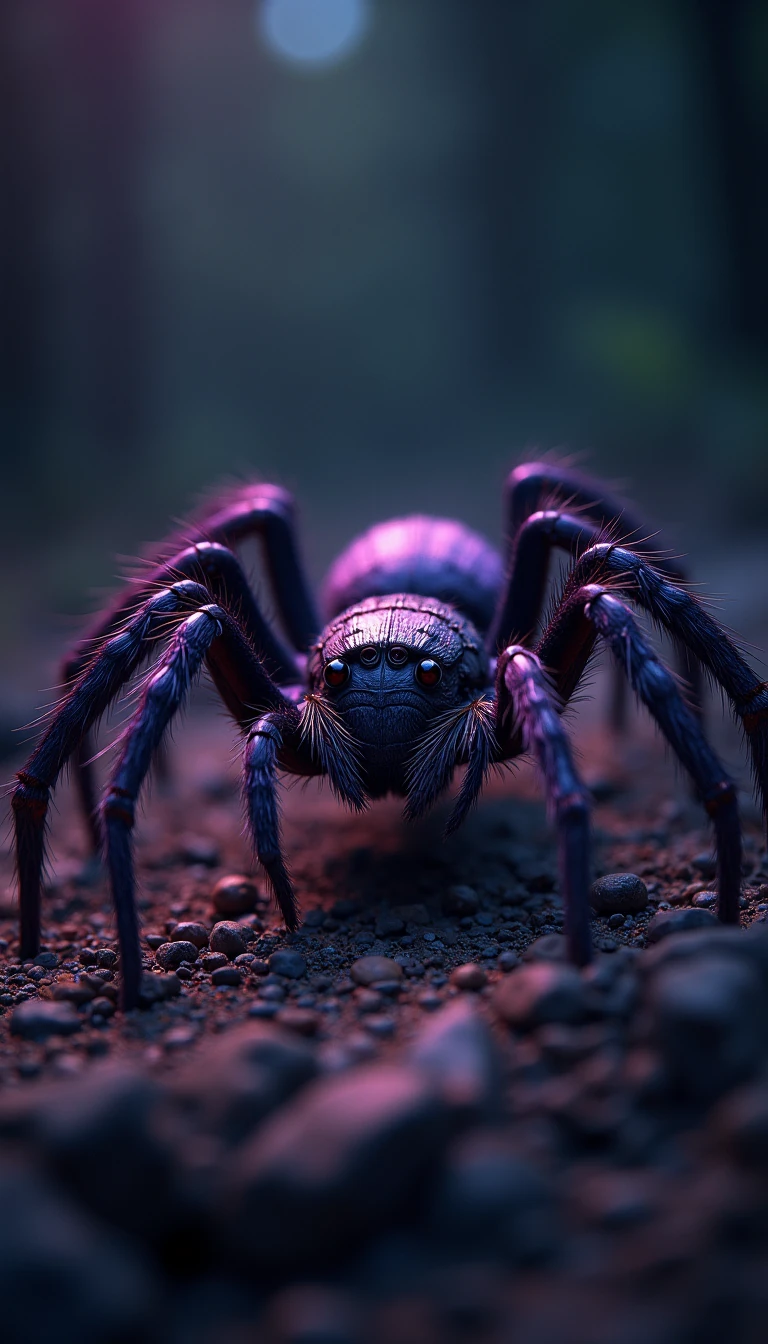
In short: With bodies so small they cannot house their own digestive and reproductive systems, sea spiders have evolved to store these organs within their long, stilt-like legs. Despite their name, these creatures are not arachnids, but a unique class of marine arthropods that have puzzled scientists for over a century.
Sea spiders, or pycnogonids, are marine arthropods that exhibit a striking 'all legs' anatomy. Their bodies are so reduced that their midgut diverticula and gonads extend deep into their legs, sometimes reaching as far as the tarsus. Because they lack a traditional respiratory system, they rely on their porous exoskeleton to absorb oxygen directly from the water, which is then circulated through the body by a combination of a vigorous heart and gut peristalsis.
The classification of these animals has been a subject of intense debate. While historical studies often grouped them with arachnids or crustaceans, modern phylogenomics places them as the sister group to Euchelicerata. A controversial hypothesis in the 2000s suggested they were basal to all living arthropods due to the unique innervation of their chelifores, but subsequent research using Hox gene expression patterns confirmed that these appendages are homologous to the chelicerae of other chelicerates, settling the debate in favor of a closer evolutionary relationship.
With over 1,300 known species, sea spiders are found globally, from shallow coastal waters to depths of 7,000 meters. Their life cycles are equally diverse, with some species acting as parasites on cnidarians or mollusks. While most species are small, those in Antarctic and deep-sea regions can reach leg spans of over 70 cm. Their evolutionary history remains somewhat mysterious; while they likely diverged from euchelicerates during the Cambrian, the lack of intermediate fossils makes tracing their precise origins difficult, with current estimates suggesting the extant order Pantopoda began to diversify between the early Silurian and late Devonian periods.
Opens the Intellect+ feed with this card first. Swipe up for the next one.
Sources
- Summary by Intellect · source: Sea spider
- Also: iNaturalist — Stearns' Sea Spider (Pycnogonum stearnsi) · CC BY-SA 4.0 (Wikipedia summary)
- Also: iNaturalist — Gracile Sea Spider (Nymphon gracile) · CC BY-SA 4.0 (Wikipedia summary)
To cite this card, link to https://intellectplus.co.uk/app/nature-sea-spider.
How we source, check and correct cards: Editorial standards.
General information, not professional advice. Spotted an error? Flag the card or see corrections and complaints.
Intellect Plus is a visual educational discovery platform for exploring fascinating facts and ideas. Brain Food, Not Brain Rot. What is Intellect Plus?
Related
More in Organisms · More in Nature · Latest · A–Z · All topics
