Why these ancient spiders carry their spinnerets in the middle of their bodies
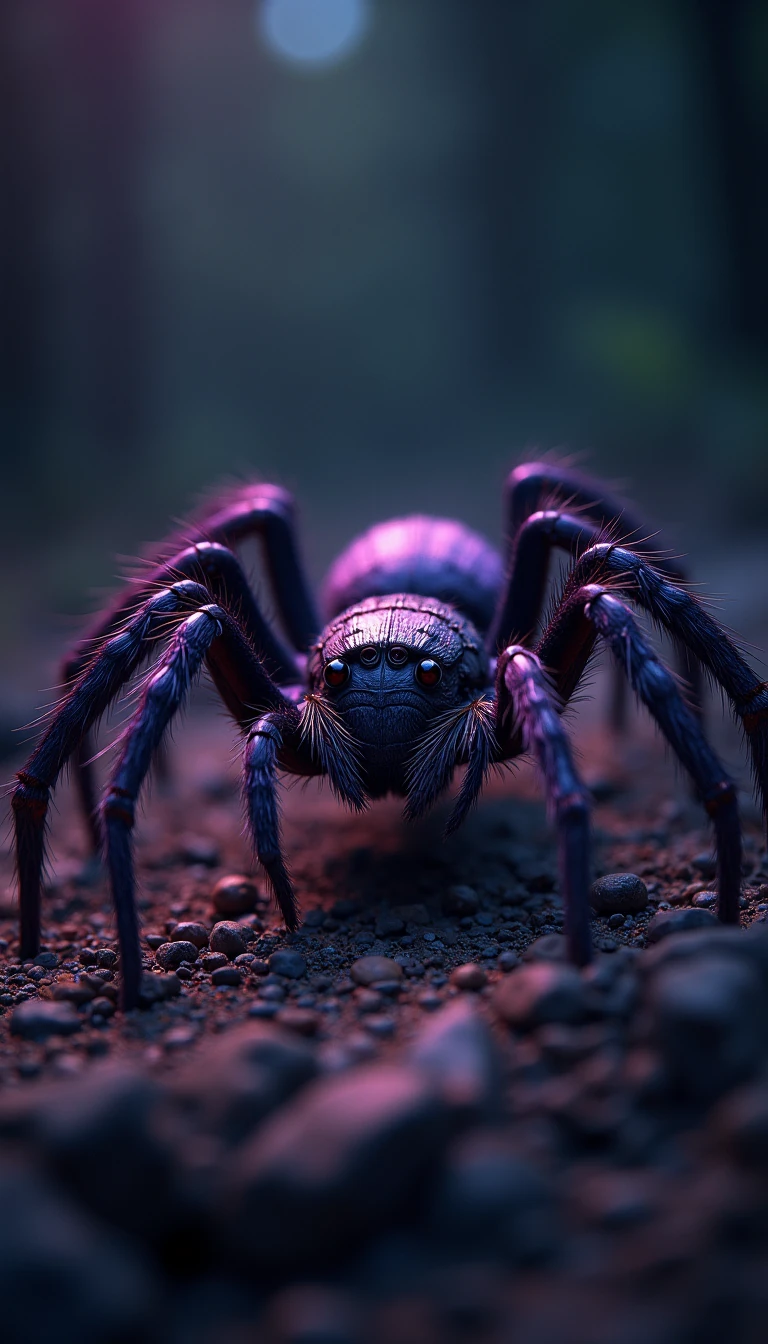
In short: Segmented spiders are living fossils that diverged from all other spider lineages 300 million years ago. Unlike their modern relatives, they possess a primitive, plate-covered abdomen and unique silk-producing organs located centrally on their underside. These rare ambush predators spend their long lives waiting in camouflaged trapdoor burrows.
The suborder Mesothelae represents the most ancient branch of the spider family tree. While most modern spiders belong to the Opisthothelae group—which includes both tarantulas and common web-spinners—segmented spiders retained ancestral traits that have remained largely unchanged for eons. Their name, derived from the Greek words for middle and teat, highlights their most distinctive feature: spinnerets positioned in the center of their abdomen rather than at the tip. This unusual anatomy is accompanied by a segmented abdomen protected by hardened plates, reminiscent of a shrimp, and two pairs of primitive book lungs.
These spiders are sedentary hunters, relying on silken trip lines radiating from their burrows to detect passing prey. They are remarkably long-lived, with many individuals surviving between 5 and 18 years. Despite their ancient lineage, the group remains a subject of intense scientific debate. While the World Spider Catalog currently recognizes a single family, Liphistiidae, containing eight genera, some researchers argue that the genus Heptathela should be elevated to its own distinct family. Taxonomy remains fluid as new species continue to be discovered, such as the three identified in China's Hunan region in 2023.
Today, these spiders are found only in isolated pockets across East and Southeast Asia, including caves, mountain folds, and specific tree groves. Because they occupy such restricted ranges, they are exceptionally vulnerable to environmental changes. Habitat fragmentation, wildfires, and human encroachment pose severe threats to their survival. The Kanthan Cave trapdoor spider, for instance, is restricted to one specific cave in Malaysia and faces a high risk of extinction. As researchers continue to explore these fragile habitats, it is likely that more species await discovery, provided their unique environments can be preserved.
Opens the Intellect+ feed with this card first. Swipe up for the next one.
Sources
- Summary by Intellect · source: Segmented spider | Description, Taxonomy, Living Fossil, Primitive, Habitat, Conservation, & Facts | Britannica
- Also: Mesothelae
To cite this card, link to https://intellectplus.co.uk/app/nature-mesothelae.
How we source, check and correct cards: Editorial standards.
General information, not professional advice. Spotted an error? Flag the card or see corrections and complaints.
Intellect Plus is a visual educational discovery platform for exploring fascinating facts and ideas. Brain Food, Not Brain Rot. What is Intellect Plus?
Related
More in Arthropods · More in Nature · Latest · A–Z · All topics
