Before runways were everywhere, the world’s fastest and largest aircraft were all seaplanes.
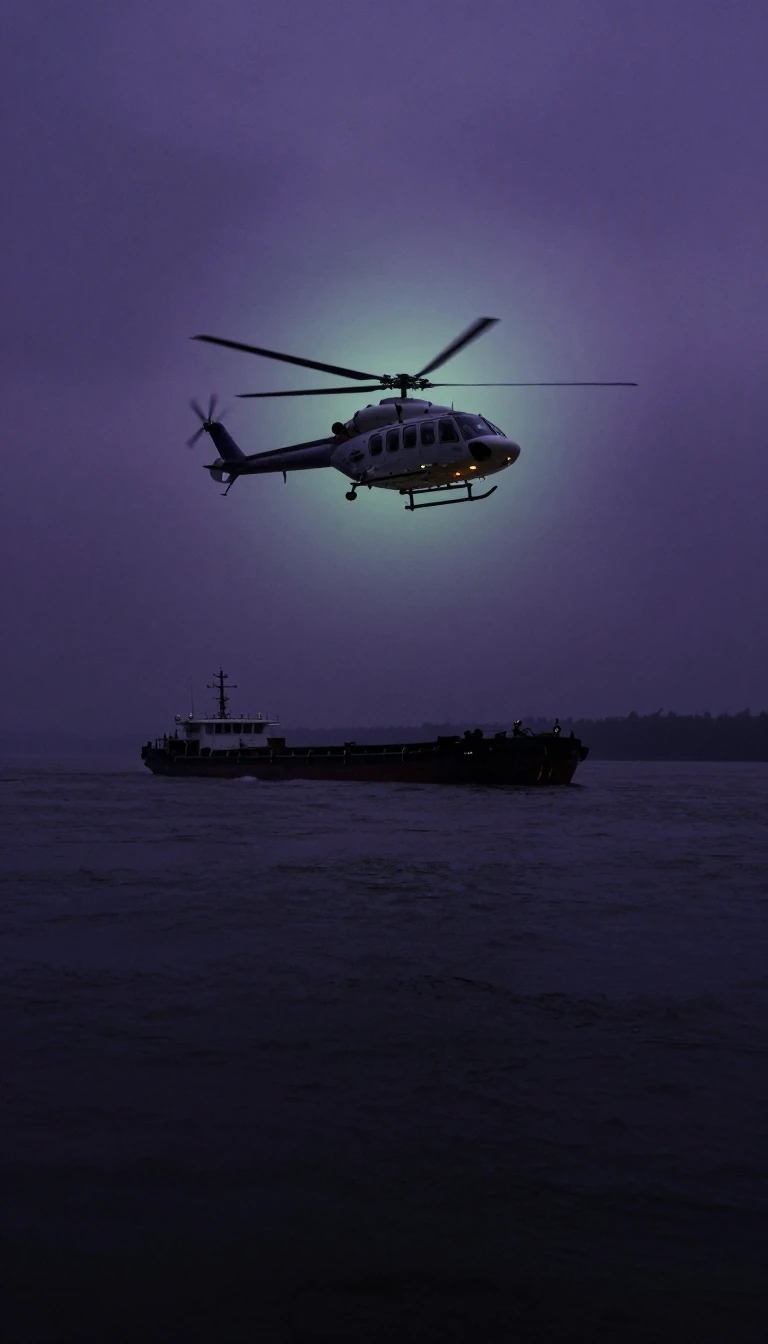
In short: In the early 20th century, water-based aircraft dominated aviation. From the first practical designs by Glenn Curtiss in 1911 to record-breaking transatlantic crossings, seaplanes were the pinnacle of flight. Today, these versatile machines have largely retreated to niche roles, yet they remain a masterclass in fluid engineering and design.
The seaplane category is split into two primary designs: the floatplane and the flying boat. Floatplanes are essentially land-based aircraft modified with buoyant pontoons instead of wheels. This configuration keeps the fuselage dry and allows for easier docking, though the added drag and weight inevitably reduce speed and climb performance. Conversely, flying boats use a purpose-built, boat-like hull for flotation. This design is generally more robust, allowing for larger aircraft that can carry significantly heavier payloads.
Engineering a seaplane requires balancing buoyancy with hydrodynamic efficiency. To take off, the craft must overcome water resistance; designers solve this by incorporating a 'stepped' bottom on the hull or floats. As the aircraft gains speed, it lifts onto this step, minimizing friction and allowing it to skim across the surface. Stability is maintained through auxiliary wing-tip floats or sponsons—stubby, wing-like projections at the waterline—which prevent the craft from tipping while at rest or during low-speed maneuvers.
The golden age of the seaplane spanned the 1920s and 1930s, when they held the records for speed and endurance. Their ability to utilize long, open stretches of water for takeoff runs made them ideal for high-speed optimization before land-based runways were widely available. However, the rapid expansion of land-based infrastructure and the increased range of conventional planes during World War II marginalized their role. While they no longer dominate global transport, they remain essential for reaching roadless archipelagos, firefighting, and accessing remote, lake-heavy terrain, proving that the marriage of flight and buoyancy still holds unique utility in the modern world.
Opens the Intellect+ feed with this card first. Swipe up for the next one.
Sources
- Summary by Intellect · source: Seaplane | Types, Safety & Benefits | Britannica
- Also: Seaplane
To cite this card, link to https://intellectplus.co.uk/app/nature-seaplane.
How we source, check and correct cards: Editorial standards.
General information, not professional advice. Spotted an error? Flag the card or see corrections and complaints.
Intellect Plus is a visual educational discovery platform for exploring fascinating facts and ideas. Brain Food, Not Brain Rot. What is Intellect Plus?
Related
More in Physical geography · More in Nature · Latest · A–Z · All topics
