Why the elusive sei whale is named after a common Norwegian fish
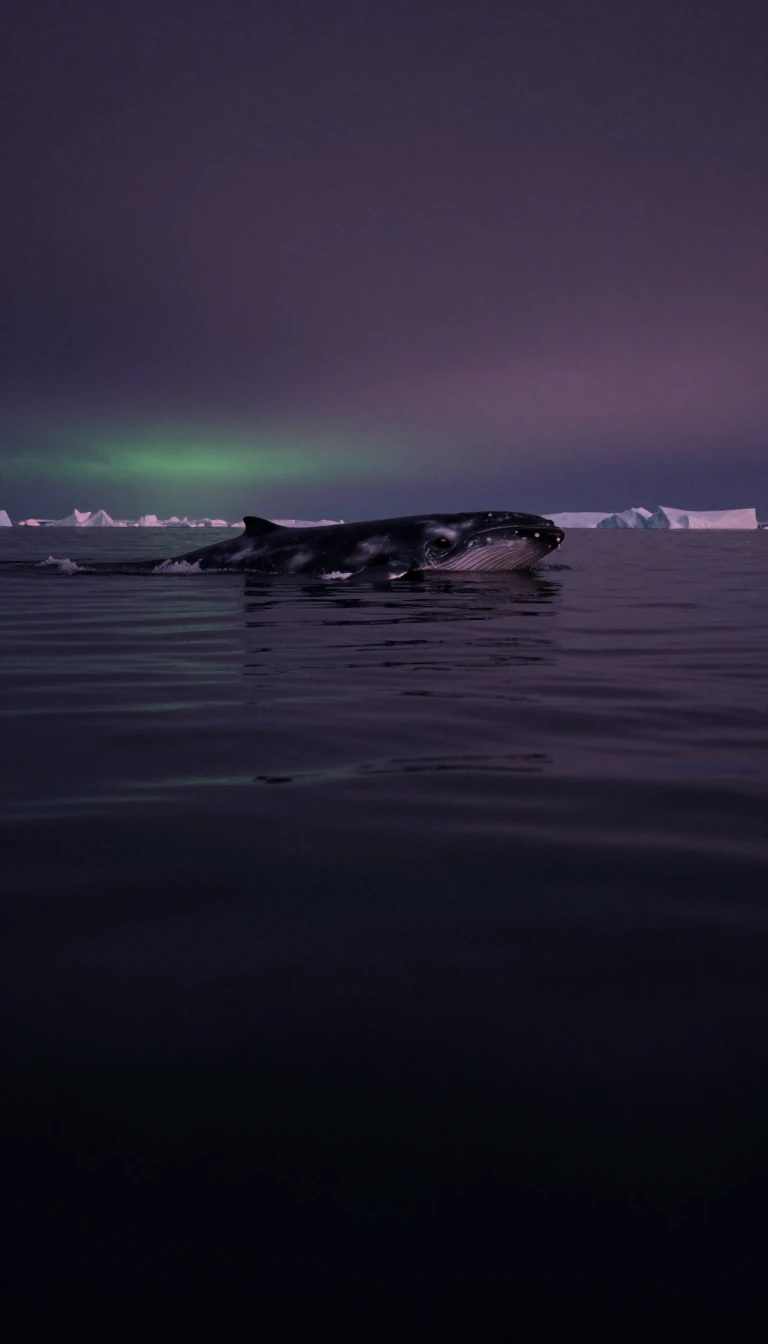
In short: The sei whale is one of the ocean's fastest swimmers, yet it remains a mystery to researchers. Named for the Norwegian word for pollock, this sleek rorqual prefers deep, unpredictable waters. While once decimated by commercial whaling, it now faces modern threats like vessel strikes and changing ocean temperatures.
The sei whale, or Balaenoptera borealis, is the third-largest member of the rorqual family, following the blue and fin whales. Its name is an anglicization of the Norwegian word 'seje,' meaning pollock. This moniker originated because these whales were frequently observed off the coast of Norway arriving at the same time as the pollock, both drawn by the abundance of plankton. Unlike many other large whales that follow predictable migratory paths, the sei whale exhibits an unpredictable distribution, often appearing in a region for a period before vanishing for years or even decades.
Physically, the sei whale is built for speed, capable of reaching velocities exceeding 34 miles per hour. It possesses a dark bluish-gray to black body, often marked by oval-shaped scars attributed to cookie-cutter sharks and lampreys. A defining feature is its feeding mechanism: it uses 219 to 410 baleen plates to filter-feed on copepods, krill, and small schooling fish. Unlike other whales that arch their backs or display their flukes before diving, the sei whale simply sinks below the surface, often leaving behind smooth, circular 'fluke prints' on the water.
The species suffered immensely during the 19th and 20th centuries, with an estimated 300,000 individuals killed for their oil and meat. Following the International Whaling Commission's decision to end commercial whaling in the 1985/1986 season, the population gained a reprieve. Today, the primary dangers are anthropogenic: vessel strikes, entanglement in fishing gear, and ocean noise. Furthermore, climate change is altering sea ice coverage and oceanographic conditions, which may disrupt the prey distribution and navigation cues essential for the survival of this endangered species.
Opens the Intellect+ feed with this card first. Swipe up for the next one.
Sources
- Summary by Intellect · source: Sei Whale
- Also: Sei whale | Endangered species, baleen whales, migratory | Britannica
- Also: Sei whale
- Also: Sei Whale (Balaenoptera borealis)
To cite this card, link to https://intellectplus.co.uk/app/nature-sei-whale.
How we source, check and correct cards: Editorial standards.
General information, not professional advice. Spotted an error? Flag the card or see corrections and complaints.
Intellect Plus is a visual educational discovery platform for exploring fascinating facts and ideas. Brain Food, Not Brain Rot. What is Intellect Plus?
Related
More in Physical geography · More in Nature · Latest · A–Z · All topics
