Sedimentary structures are the three-dimensional physical fingerprints of ancient environments preserved in rock.
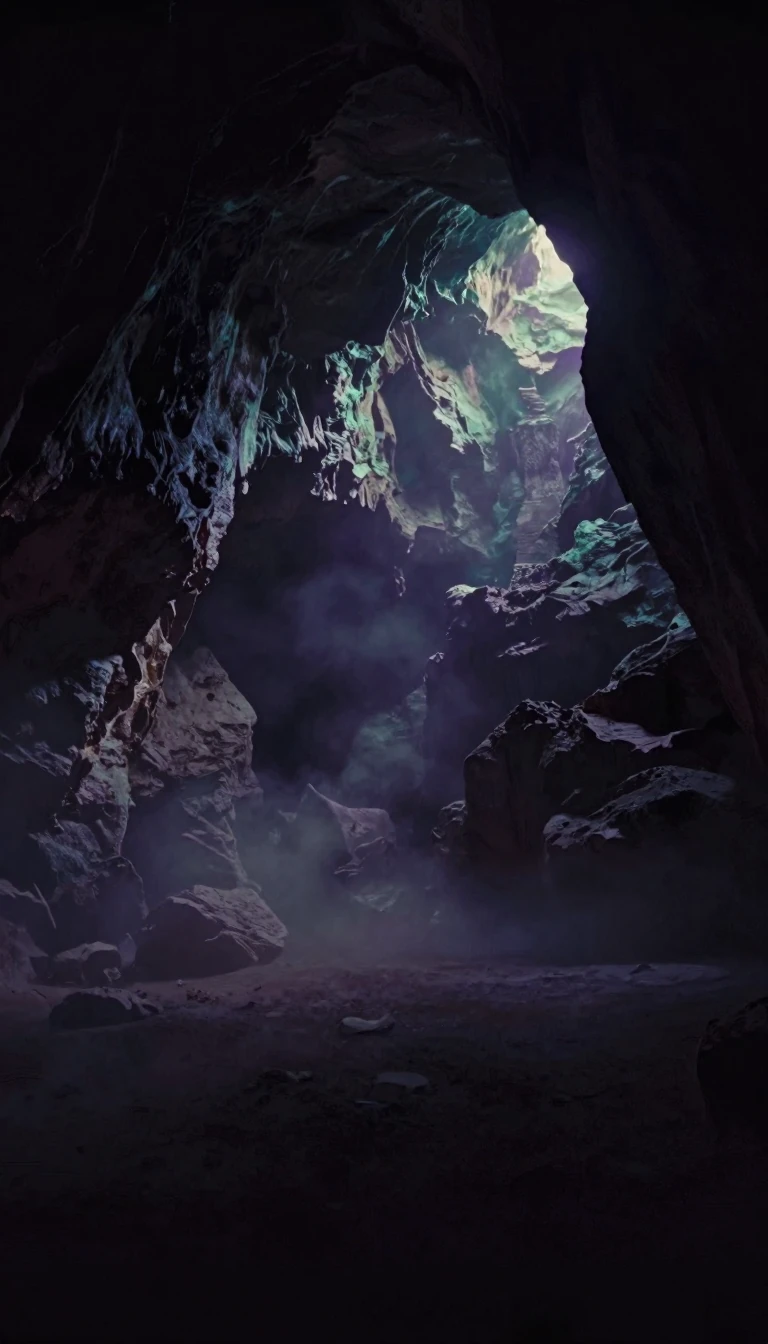
In short: Geologists read sedimentary rocks like a history book, using physical features to reconstruct vanished landscapes. From ripple marks left by ancient tides to mud cracks formed under long-evaporated suns, these structures reveal the direction of prehistoric currents, the speed of water, and the orientation of the earth beneath our feet.
Sedimentary structures are large-scale, three-dimensional physical features best observed in outcrops rather than under a microscope. They are categorized by their genesis: primary structures form during deposition, while penecontemporaneous structures emerge shortly after due to compaction or desiccation. Secondary structures, such as concretions and stylolites, develop much later, and organic structures like stromatolites or burrows arise from biological activity.
Primary structures are essential tools for interpreting ancient environments. Features like cross-bedding and ripple marks act as directional indicators, allowing researchers to map paleocurrent patterns. Others serve as stratigraphic top-and-bottom indicators. For instance, graded bedding—where grain size decreases upward—reveals which direction is stratigraphically younger. This allows geologists to orient themselves in complex, folded, or dipping rock sequences.
Bedding itself is the most fundamental structure, defined by layers or strata that differ in composition or texture. A single bed is typically thicker than one centimetre, while thinner units are termed laminae. These layers can be tabular or lenticular, reflecting the energy of the transporting agent. When current velocity drops, coarse sediment settles first, creating graded beds; conversely, high-velocity currents over streambeds can create imbricate bedding, where flattened pebbles overlap like shingles.
Bedding-plane features, found on the surfaces of these layers, provide further environmental clues. Mud cracks indicate periodic exposure to air, while sole markings like flute casts—scours filled by overlying sediment—record the direction of ancient flows. By analyzing these suites of structures, geologists can differentiate between stratigraphic units and reconstruct the specific conditions—from submarine density currents to wind-swept deserts—that shaped the Earth's surface millions of years ago.
Opens the Intellect+ feed with this card first. Swipe up for the next one.
Sources
- Summary by Intellect · source: Sedimentary rock - Stratification, Fossils, Bedding | Britannica
- Also: Sedimentary structures
To cite this card, link to https://intellectplus.co.uk/app/nature-sedimentary-structures.
How we source, check and correct cards: Editorial standards.
General information, not professional advice. Spotted an error? Flag the card or see corrections and complaints.
Intellect Plus is a visual educational discovery platform for exploring fascinating facts and ideas. Brain Food, Not Brain Rot. What is Intellect Plus?
Related
More in Geology · More in Nature · Latest · A–Z · All topics
