The Earth is a giant layered cake of geological history waiting to be read
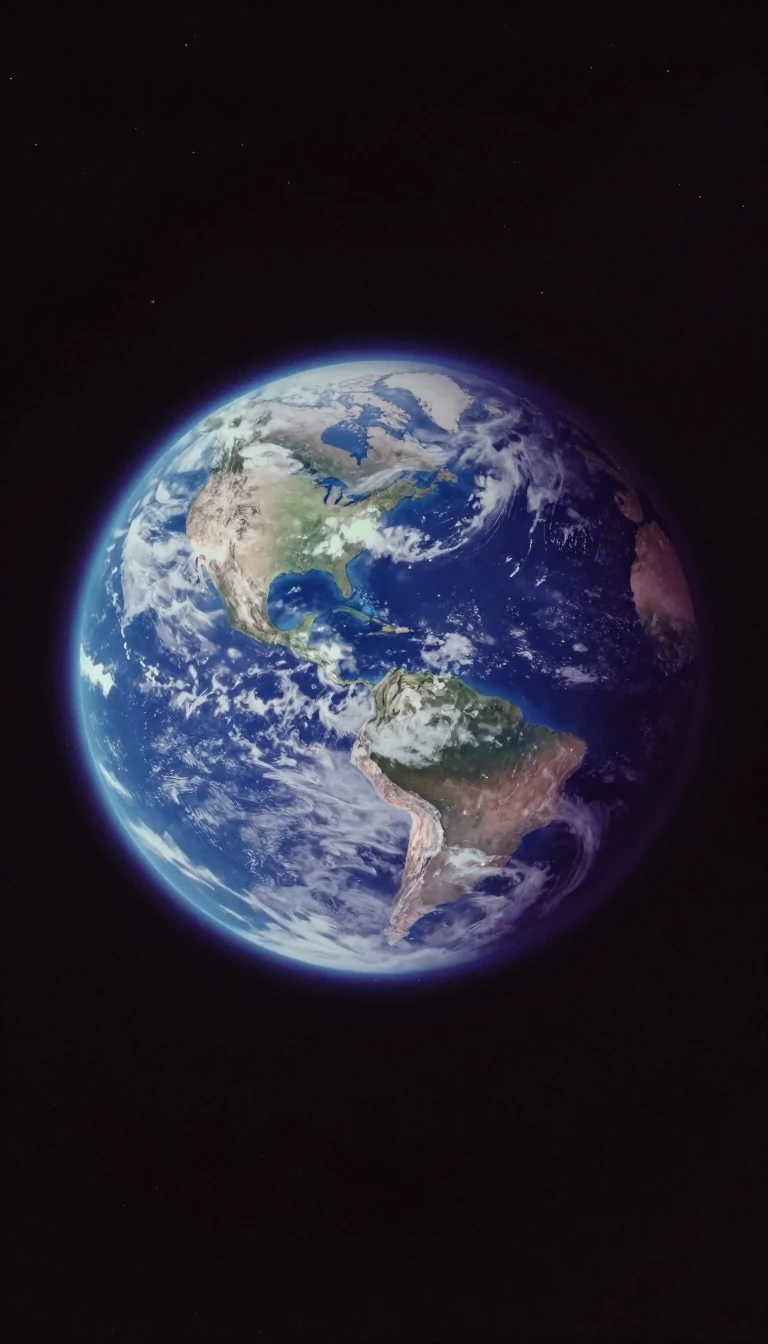
In short: Look at a cliffside and you see more than just rock; you see a chronological record of our planet. Strata are the distinct, parallel layers that stack up over eons, each band capturing a specific moment in time, from ancient river silt to volcanic flows, forming our world's foundation.
At its core, a stratum is a layer of rock or sediment defined by unique physical properties that set it apart from the layers above and below. These layers are separated by bedding surfaces, which represent significant pauses in the geological record. These breaks occur when deposition stops, erosion takes over, or a combination of both processes interrupts the accumulation of material. When viewed in aggregate, these stacked strata can span hundreds of thousands of square kilometers, creating massive, continuous geological units.
Geologists classify these layers based on their specific characteristics and utility for mapping. A bed serves as the smallest formal unit in sedimentary lithostratigraphy, though only those distinctive enough to aid in correlation receive formal names. Volcanic activity produces flows, which are discrete extrusive bodies identifiable by their unique composition or texture. Meanwhile, bands are thinner layers often used as visual markers due to their distinct color or lithology, helping researchers trace geological patterns across vast distances.
The most valuable tools for geologists are key beds, also known as marker beds. These are highly identifiable strata that possess unique features, such as specific fossil content or lithological signatures, allowing them to be recognized across different field sites. By studying these varied layers—whether they originated as sand dunes, coal swamps, or lava flows—scientists can reconstruct the environmental history of the Earth. Each layer acts as a page in a planetary diary, with thicknesses ranging from a few millimeters to several meters, preserving the evidence of past depositional modes for modern analysis.
Opens the Intellect+ feed with this card first. Swipe up for the next one.
Sources
- Summary by Intellect · source: Stratum
To cite this card, link to https://intellectplus.co.uk/app/nature-stratum.
How we source, check and correct cards: Editorial standards.
General information, not professional advice. Spotted an error? Flag the card or see corrections and complaints.
Intellect Plus is a visual educational discovery platform for exploring fascinating facts and ideas. Brain Food, Not Brain Rot. What is Intellect Plus?
Related
More in Geology · More in Nature · Latest · A–Z · All topics
