Why the serval is the most successful hunter in the wild cat kingdom
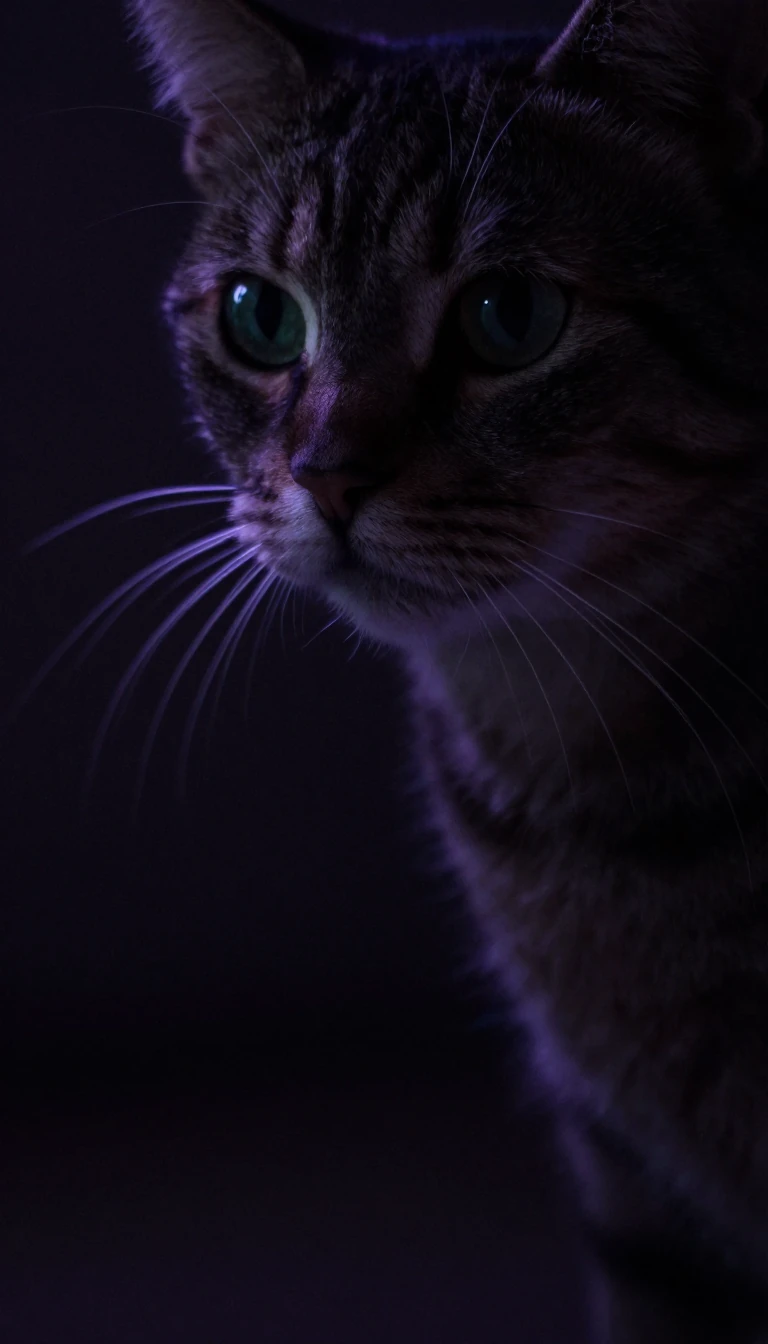
In short: With ears like dinner plates and the longest legs of any cat relative to body size, the serval is a master of the African savanna. This slender predator rarely misses, catching its prey in over half of its attempts—a success rate significantly higher than that of a hunting lion pride.
The serval, Leptailurus serval, is a solitary, medium-sized cat native to sub-Saharan Africa. Often called the cat of spare parts due to its bizarre anatomy, it possesses a small head, a golden-yellow coat marked with black spots and stripes, and exceptionally long legs. These limbs, which feature elongated metatarsal bones and mobile toes, allow the cat to leap over two meters into the air to strike prey. Its oversized ears are the largest of any wild cat relative to body size, functioning like a radar system to detect the slightest movement of rodents under thick brush.
Unlike many other wild cats, the serval is a highly efficient hunter that almost never scavenges. It primarily targets rodents, consuming an average of 4,000 per year, though it is opportunistic enough to catch birds, snakes, frogs, and insects. In aquatic environments, a serval can capture up to 30 frogs in just three hours. This specialized hunting prowess results in a success rate roughly 20 percent higher than that of lions working in a pride. When stalking through tall grass, its coat provides effective camouflage, with larger spots sometimes blending to mimic stripes.
The species is the sole member of the genus Leptailurus, a lineage that diverged within the Felidae family millions of years ago. While its exact phylogenetic classification has been debated by paleontologists, modern genetic studies place it alongside the caracal and African golden cat. Today, the serval is categorized as Least Concern on the IUCN Red List, though its presence varies across its range, from grasslands and wetlands to bamboo thickets. Females typically give birth to one to four kittens after a gestation period of two to three months, with the young becoming independent at around one year of age.
Opens the Intellect+ feed with this card first. Swipe up for the next one.
Sources
- Summary by Intellect · source: Serval
- Also: Serval
- Also: www.britannica.com — Serval | African, Wildcat, Savannah | Britannica
To cite this card, link to https://intellectplus.co.uk/app/nature-serval.
How we source, check and correct cards: Editorial standards.
General information, not professional advice. Spotted an error? Flag the card or see corrections and complaints.
Intellect Plus is a visual educational discovery platform for exploring fascinating facts and ideas. Brain Food, Not Brain Rot. What is Intellect Plus?
Related
More in Organisms · More in Nature · Latest · A–Z · All topics
