Why the sloth bear is arguably the most dangerous bear on the planet
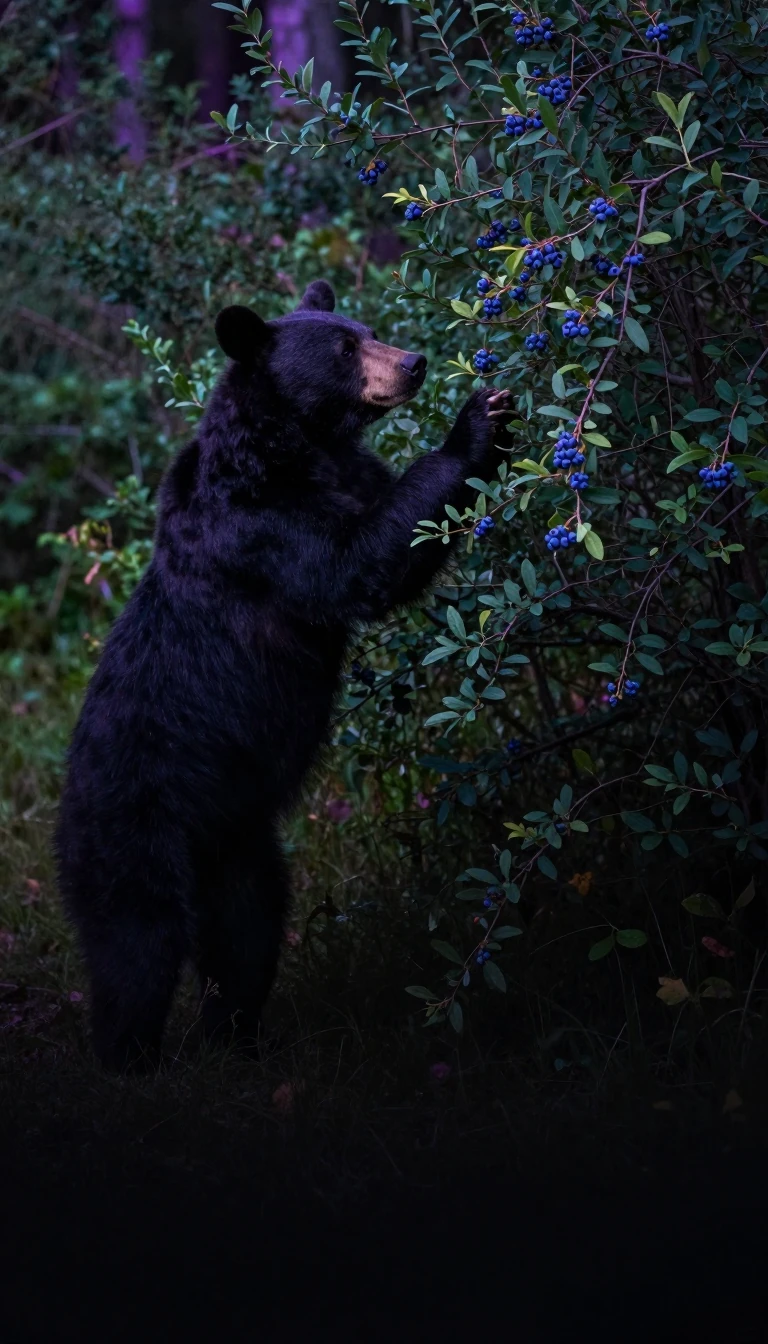
In short: With their shaggy manes and long, sickle-shaped claws, sloth bears look like clumsy, oversized sloths. Yet, they are among the most aggressive bears in existence. Unlike other species that might bluff, these bears often charge immediately when surprised, frequently leaving human victims with severe, life-altering injuries in the process.
Native to the Indian subcontinent, the sloth bear (Melursus ursinus) is a unique, myrmecophagous specialist. Evolving during the Pleistocene, it developed distinct physical traits to hunt termites and ants, including a long, flexible lower lip and a palate designed for sucking insects out of mounds. Their teeth are often in poor condition due to the soil they ingest while feeding, and they lack upper incisors, a feature that facilitates their specialized diet. Despite their name, they are not related to sloths; they are the only species in the genus Melursus.
Their aggressive reputation is largely a survival mechanism. Because their long, blunt claws are optimized for digging rather than climbing, adult sloth bears cannot easily escape predators by retreating into trees. Consequently, they have evolved to stand their ground, often reacting to humans as if they were tigers or leopards. This behavior leads to frequent, violent encounters, particularly in areas where human populations encroach on their habitat. Statistics from Madhya Pradesh show that between 1989 and 1994, sloth bear attacks resulted in 48 deaths and 686 injuries.
Conservation remains a complex challenge. With fewer than 20,000 individuals remaining, the species is listed as vulnerable. They face threats from habitat degradation, poaching for the illegal wildlife trade, and conflict with humans in agricultural zones. While projects like the Sloth Bear Welfare Project have worked to end their use as performing animals, the bears continue to struggle as their natural territories shrink. Protecting them requires balancing the needs of local communities with the preservation of the high-profile reserves that allow these bears to thrive alongside other apex predators.
Opens the Intellect+ feed with this card first. Swipe up for the next one.
Sources
- Summary by Intellect · source: Sloth bear
- Also: iNaturalist — Sloth Bear (Melursus ursinus) · CC BY-SA 4.0 (Wikipedia summary)
To cite this card, link to https://intellectplus.co.uk/app/nature-sloth-bear.
How we source, check and correct cards: Editorial standards.
General information, not professional advice. Spotted an error? Flag the card or see corrections and complaints.
Intellect Plus is a visual educational discovery platform for exploring fascinating facts and ideas. Brain Food, Not Brain Rot. What is Intellect Plus?
Related
More in Organisms · More in Nature · Latest · A–Z · All topics
