The spectacled bear is the last surviving member of a prehistoric short-faced lineage.
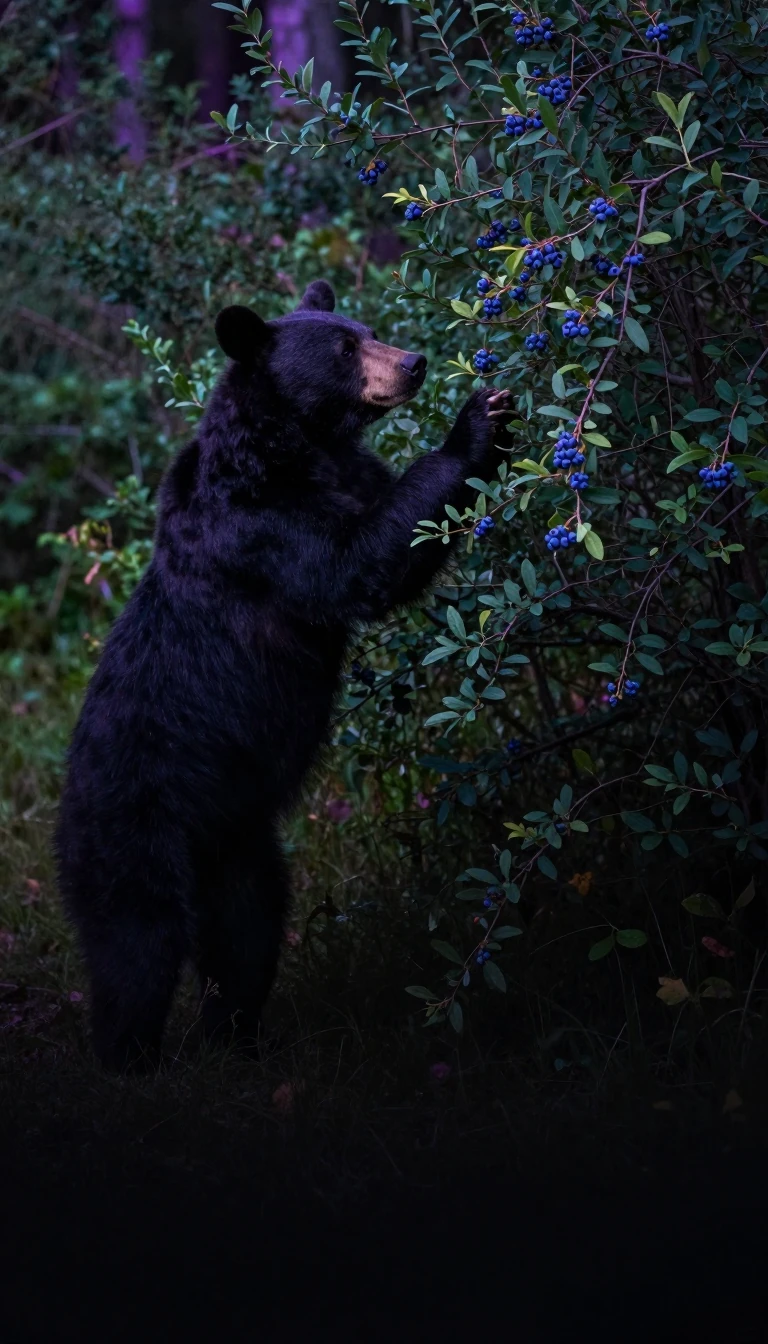
In short: As the only bear species native to South America, the spectacled bear is a living relic of the Tremarctinae subfamily. While its extinct cousins once roamed North America, this resilient climber has adapted to the rugged Andes, surviving as a largely herbivorous specialist in some of the world's most challenging terrain.
The spectacled bear, or Tremarctos ornatus, represents the final chapter of the short-faced bear subfamily. While its extinct sister species, Tremarctos floridanus, once dominated North American landscapes, the spectacled bear persists in the Andes Mountains. These bears are biologically distinct from other ursids, possessing shorter, taller skulls and unique dental adaptations, such as blunt lophs on their fourth premolars, which allow them to crush tough, fibrous vegetation like bromeliads and bamboo hearts. Their name derives from the light-colored markings on their faces and chests, which occasionally resemble spectacles, though these patterns vary significantly between individuals.
Evolutionary history suggests that the Tremarctinae subfamily diverged from the Ursinae lineage approximately 5.7 million years ago. Following an explosive radiation during the Miocene-Pliocene boundary, these bears spread across the Americas. The spectacled bear's own history is marked by significant population fluctuations tied to the climatic shifts of the Middle and Late Pleistocene. Genetic research indicates that these bears have faced a long-term decline, with effective population sizes dropping drastically as interglacial periods shrank their forest habitats. Today, they are classified as vulnerable by the IUCN, primarily due to habitat fragmentation, agricultural expansion, and human-wildlife conflict.
Despite their reputation as herbivores, these bears are opportunistic predators. They are capable of taking down animals as large as mountain tapirs, cattle, and horses, often by surprising prey and pinning them with their weight and powerful claws. However, meat typically constitutes only about 5% of their diet. Their survival strategy relies heavily on their arboreal nature; they are adept climbers who build platforms in trees for resting and food storage. This behavior serves as a vital defense mechanism, allowing them to retreat from human presence in the dense cloud forests of Venezuela, Colombia, Ecuador, Peru, Bolivia, and Argentina.
Opens the Intellect+ feed with this card first. Swipe up for the next one.
Sources
- Summary by Intellect · source: Spectacled bear
- Also: Spectacled Bear (Tremarctos ornatus)
- Also: iNaturalist — Florida Spectacled Bear (Tremarctos floridanus) · CC BY-SA 4.0 (Wikipedia summary)
To cite this card, link to https://intellectplus.co.uk/app/nature-spectacled-bear.
How we source, check and correct cards: Editorial standards.
General information, not professional advice. Spotted an error? Flag the card or see corrections and complaints.
Intellect Plus is a visual educational discovery platform for exploring fascinating facts and ideas. Brain Food, Not Brain Rot. What is Intellect Plus?
Related
More in Organisms · More in Nature · Latest · A–Z · All topics
