Soil erosion is a natural sculptor, but human activity has accelerated it twenty-eightfold.
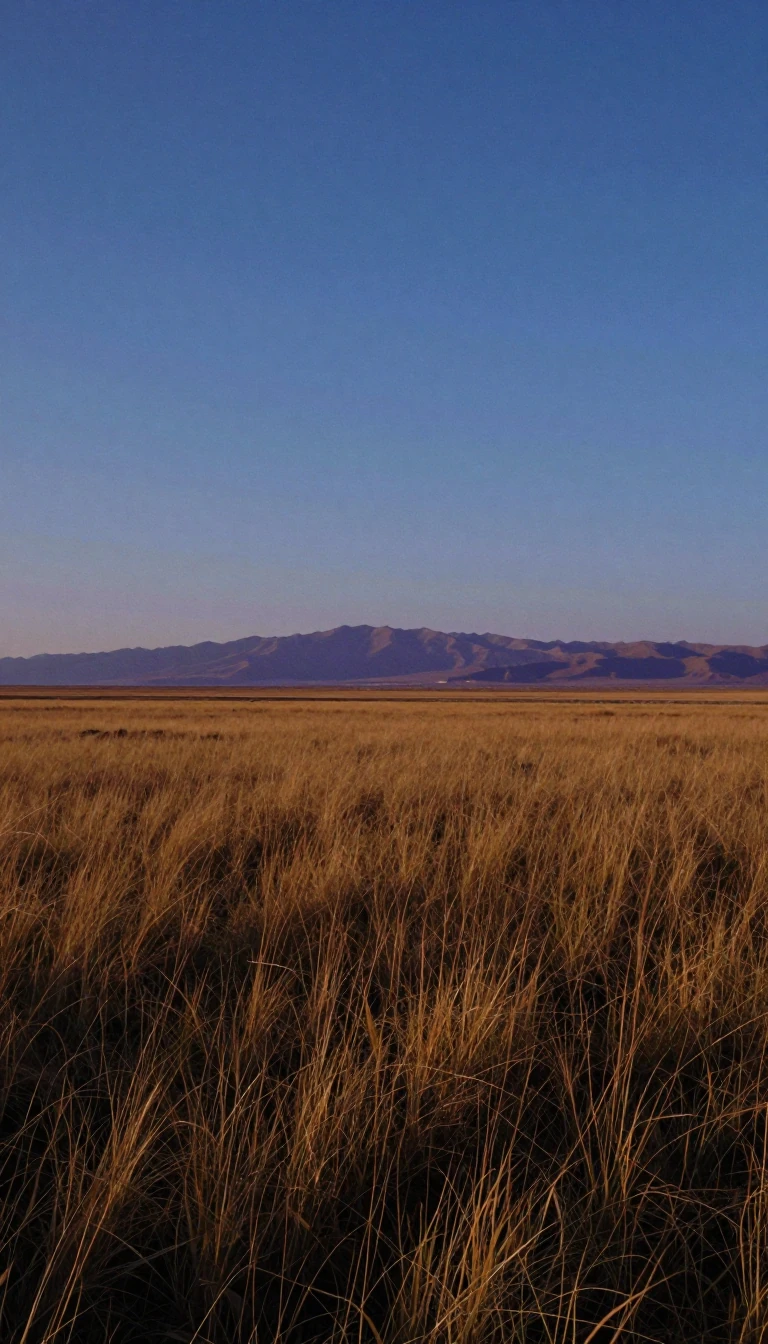
In short: Soil erosion is a fundamental geological process that shapes our landscapes, yet it often goes unnoticed until it becomes catastrophic. While nature moves soil at a steady, manageable pace, human intervention has drastically sped up this loss, threatening agricultural productivity and the structural integrity of the world around us.
At its core, soil erosion is the displacement of soil particles by water, wind, ice, or gravity. In a natural state, this process is essential for creating new landforms and providing parent material for soil development. However, when the rate of erosion significantly exceeds the natural rate of soil formation—a state known as accelerated erosion—it becomes a critical conservation issue. While natural erosion rates typically hover around 1 metric ton per hectare annually, human activities, including intensive agriculture, deforestation, and urban sprawl, have increased global erosion rates by approximately 28 times.
The mechanics of this loss are diverse. Water-induced erosion begins with the impact of raindrops, which can launch soil particles nearly 1 meter into the air, breaking the bonds that hold soil aggregates together. This leads to sheet erosion, where thin layers of soil are removed, or more severe forms like rill and gully erosion, where concentrated runoff carves deep channels into the land. On steeper slopes, gravity can trigger mass movements, ranging from slow soil creep to rapid, destructive landslides. Wind erosion follows its own logic, primarily through saltation, where smaller particles are vaulted into the air, eventually leaving behind coarser, less nutrient-rich surfaces.
The consequences of this accelerated loss are profound. On-site, the removal of nutrient-rich topsoil reduces agricultural yields and can lead to ecological collapse or desertification. Off-site, the displaced sediment clogs waterways, damages infrastructure like bridges and culverts, and contributes to water pollution. Because this loss often amounts to less than 1 millimeter of depth annually, it is notoriously difficult to observe over short timeframes. Pedologists use the soil loss tolerance, or T-value, to determine the maximum annual erosion rate that still permits indefinite high productivity, highlighting the delicate balance required to maintain the earth that sustains us.
Opens the Intellect+ feed with this card first. Swipe up for the next one.
Sources
- Summary by Intellect · source: Soil - Erosion, Conservation, Management | Britannica
- Also: Soil erosion
To cite this card, link to https://intellectplus.co.uk/app/nature-soil-erosion.
How we source, check and correct cards: Editorial standards.
General information, not professional advice. Spotted an error? Flag the card or see corrections and complaints.
Intellect Plus is a visual educational discovery platform for exploring fascinating facts and ideas. Brain Food, Not Brain Rot. What is Intellect Plus?
Related
More in Geology · More in Nature · Latest · A–Z · All topics
