Are these ocean-going giants and their landlocked cousins actually the same fish?
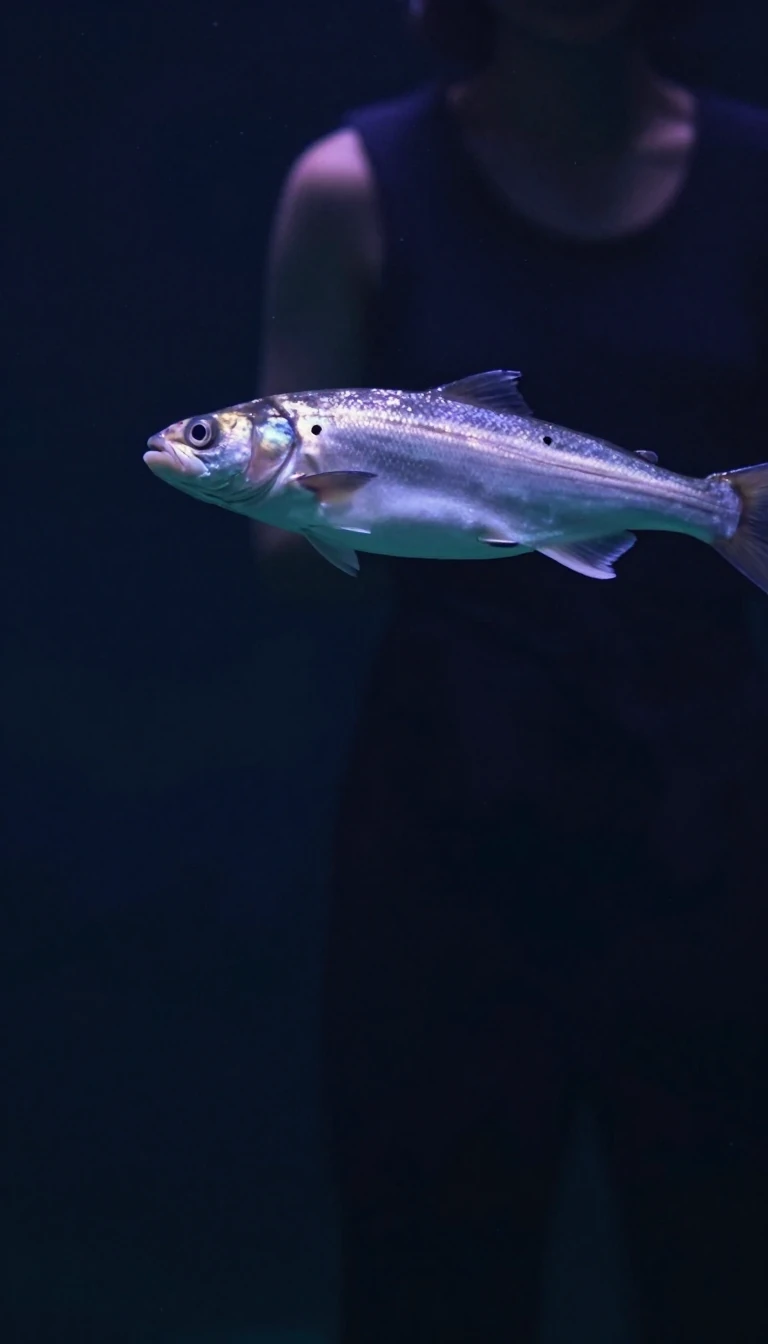
In short: Steelhead and rainbow trout are genetically identical, yet they lead vastly different lives. While rainbow trout remain in freshwater, steelhead migrate to the ocean, growing larger and developing a distinct silvery appearance. This remarkable divergence is driven by life history strategies rather than fundamental biological differences between the two ecotypes.
Steelhead, or Oncorhynchus mykiss, are anadromous fish native to the cold-water tributaries of the Pacific basin. Their defining characteristic is a life cycle that bridges freshwater and saltwater. After hatching in streams, they migrate to the ocean to forage for several years before returning to their natal waters to spawn. Unlike salmon, which typically die after spawning, steelhead are iteroparous and may return to the ocean to repeat the cycle multiple times. Their survival rate for these journeys is estimated at only 10 to 20 percent.
The physical transformation of a steelhead is striking. While in the ocean, they develop a streamlined, silvery body with a rounder head, which earns them their name. They also grow a larger, more powerful tail to navigate strong currents. When they return to freshwater to spawn, they regain the darker green coloration and pink horizontal stripe associated with the landlocked rainbow trout. This plasticity allows them to adapt to vastly different environments, though they remain the same species as their freshwater counterparts.
Perhaps the most sophisticated aspect of their biology is their homing behavior. Steelhead imprint on the specific chemical profile of their home stream, allowing them to navigate back to their exact spawning grounds after years in the open ocean. Research suggests they utilize the sun's position and magnetic north to orient themselves during these long-distance migrations. This reliance on precise chemical cues creates distinct, isolated subpopulations that vary by basin and stream. However, this specialization has left them vulnerable; human activities like dam construction, habitat fragmentation, and water diversion have pushed many populations toward extinction, leading to endangered or threatened status for several segments across the United States.
Opens the Intellect+ feed with this card first. Swipe up for the next one.
Sources
- Summary by Intellect · source: Steelhead
- Also: iNaturalist — Rainbow Trout (Oncorhynchus mykiss) · CC BY-SA 4.0 (Wikipedia summary)
To cite this card, link to https://intellectplus.co.uk/app/nature-steelhead.
How we source, check and correct cards: Editorial standards.
General information, not professional advice. Spotted an error? Flag the card or see corrections and complaints.
Intellect Plus is a visual educational discovery platform for exploring fascinating facts and ideas. Brain Food, Not Brain Rot. What is Intellect Plus?
Related
More in Organisms · More in Nature · Latest · A–Z · All topics
