Succulents are not a single plant family, but a masterclass in survival engineering
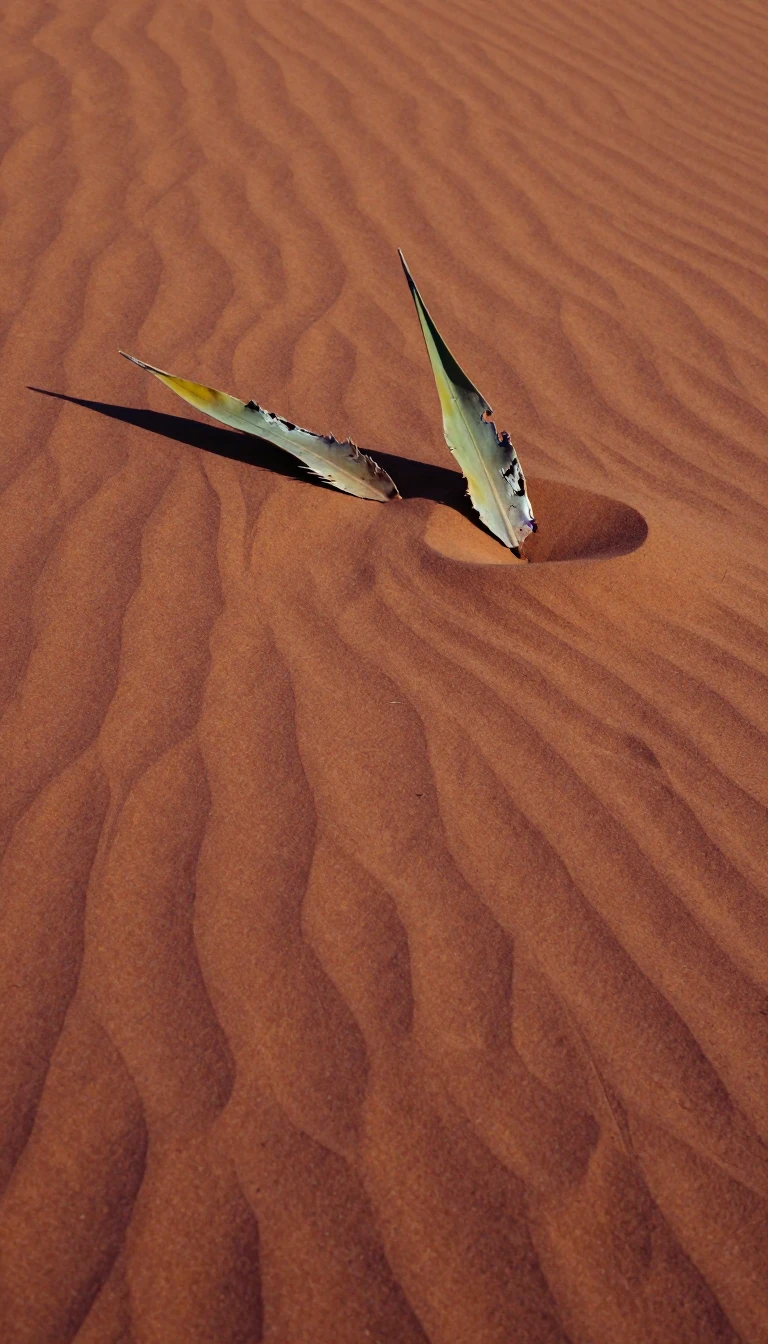
In short: Succulents are defined by their fleshy, water-storing tissues, yet they are not a specific taxonomic group. Found on every continent except Antarctica, these plants have evolved diverse strategies to thrive in arid environments, from waxy coatings to specialized metabolism, challenging our understanding of what makes a plant a succulent.
Succulence is a functional trait rather than a genetic classification. Because the term describes an attribute—the development of fleshy, water-storing organs—it appears across approximately sixty distinct plant families. This means that two plants in the same genus might differ entirely in their water-retention capabilities. While some families like Aizoaceae and Cactaceae are predominantly succulent, others contain only a few species with these traits. This lack of a clear taxonomic boundary makes identification difficult, as many species exist on a spectrum, displaying semi-succulent characteristics that defy rigid categorization.
The primary mechanism behind this resilience is the storage of water in leaves, stems, or roots, which can reach up to 95% of an organ's volume. To protect these reserves, succulents utilize a suite of adaptations. Many employ crassulacean acid metabolism to minimize evaporation, while others feature ribs that allow for rapid expansion during rare rainfall. Their surfaces are often covered in wax, hair, or spines to create a humid micro-habitat, effectively insulating the plant against harsh sun and drying winds. Some species can even survive for two years without water, depending on their specific environmental context.
Despite their reputation as desert dwellers, succulents are surprisingly adaptable. They thrive in rocky alpine ecosystems, coastal regions with high mineral content, and even as epiphytes growing on other plants. However, they are not suited for the world's most extreme, shifting sand dunes, where seedlings struggle to establish. South Africa remains the global epicenter of this diversity, hosting roughly one-third of all known species. Unfortunately, this popularity has fueled a thriving illegal trade, with poaching threatening rare species like Conophytum with extinction. Since 1974, South Africa has implemented strict legal protections in the Western and Northern Cape to combat the black market demand for these unique, water-wise organisms.
Opens the Intellect+ feed with this card first. Swipe up for the next one.
Sources
- Summary by Intellect · source: Succulent plant
To cite this card, link to https://intellectplus.co.uk/app/nature-succulent-plant.
How we source, check and correct cards: Editorial standards.
General information, not professional advice. Spotted an error? Flag the card or see corrections and complaints.
Intellect Plus is a visual educational discovery platform for exploring fascinating facts and ideas. Brain Food, Not Brain Rot. What is Intellect Plus?
Related
More in Organisms · More in Nature · Latest · A–Z · All topics
