Why the world's most productive agricultural zones are defined by their lack of frost
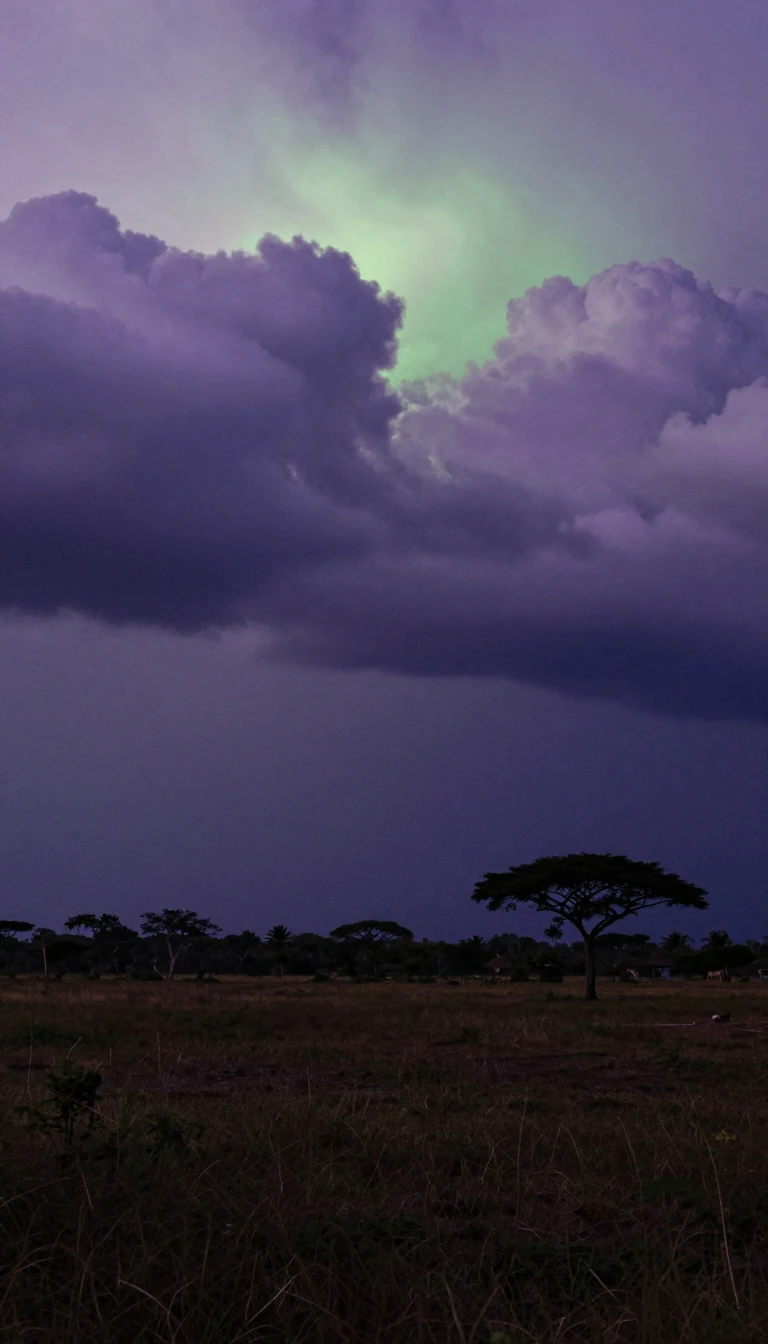
In short: Spanning the latitudes between the tropics and temperate zones, the subtropics are a climate powerhouse. Defined by mild winters and hot summers, these regions support everything from citrus to avocados. Yet, this zone is not just a place on a map; it is a complex atmospheric engine of high-pressure systems.
The subtropics exist roughly between 23.4° and 40° latitude in both hemispheres. Their climate is primarily driven by the Hadley cell, a circulation pattern where air rises near the equator and sinks near the 30th parallel. This subsidence creates the subtropical ridge, a high-pressure zone responsible for many of the world's deserts. Because these areas rarely experience hard freezes, they serve as a critical boundary for plant physiology, separating species that require cold-weather adaptation from those that are sensitive to low temperatures.
Climatologists use various systems to define these zones, reflecting the diversity of the region. The Trewartha classification focuses on temperature duration, requiring at least eight months with a mean temperature above 10 °C. Meanwhile, the Holdridge system uses a 'frost line'—typically between 16 °C and 18 °C—as a biological threshold. Plants on the warmer side of this line often lack the evolutionary adaptations to survive cold, making the subtropics a unique sweet spot where tropical crops like mangoes and lychees can thrive with fewer pests than in the tropics.
Regional variations create distinct subtropical experiences. Humid subtropical climates, found in places like the southeastern United States and East Asia, feature hot, wet summers fueled by tropical airmasses and occasional typhoons. In contrast, Mediterranean climates—found in California, Chile, and the Mediterranean Basin—experience the opposite: dry summers and wet winters. These zones are not strictly low-lying; high-altitude regions within the tropics, such as the Mexican Plateau, can also exhibit subtropical characteristics, proving that the definition of these zones is as much about temperature and precipitation regimes as it is about geography.
Opens the Intellect+ feed with this card first. Swipe up for the next one.
Sources
- Summary by Intellect · source: Subtropics
To cite this card, link to https://intellectplus.co.uk/app/nature-subtropics.
How we source, check and correct cards: Editorial standards.
General information, not professional advice. Spotted an error? Flag the card or see corrections and complaints.
Intellect Plus is a visual educational discovery platform for exploring fascinating facts and ideas. Brain Food, Not Brain Rot. What is Intellect Plus?
Related
More in Organisms · More in Nature · Latest · A–Z · All topics
