Taiwanese culture is a complex tapestry woven from indigenous roots and multiple colonial influences.
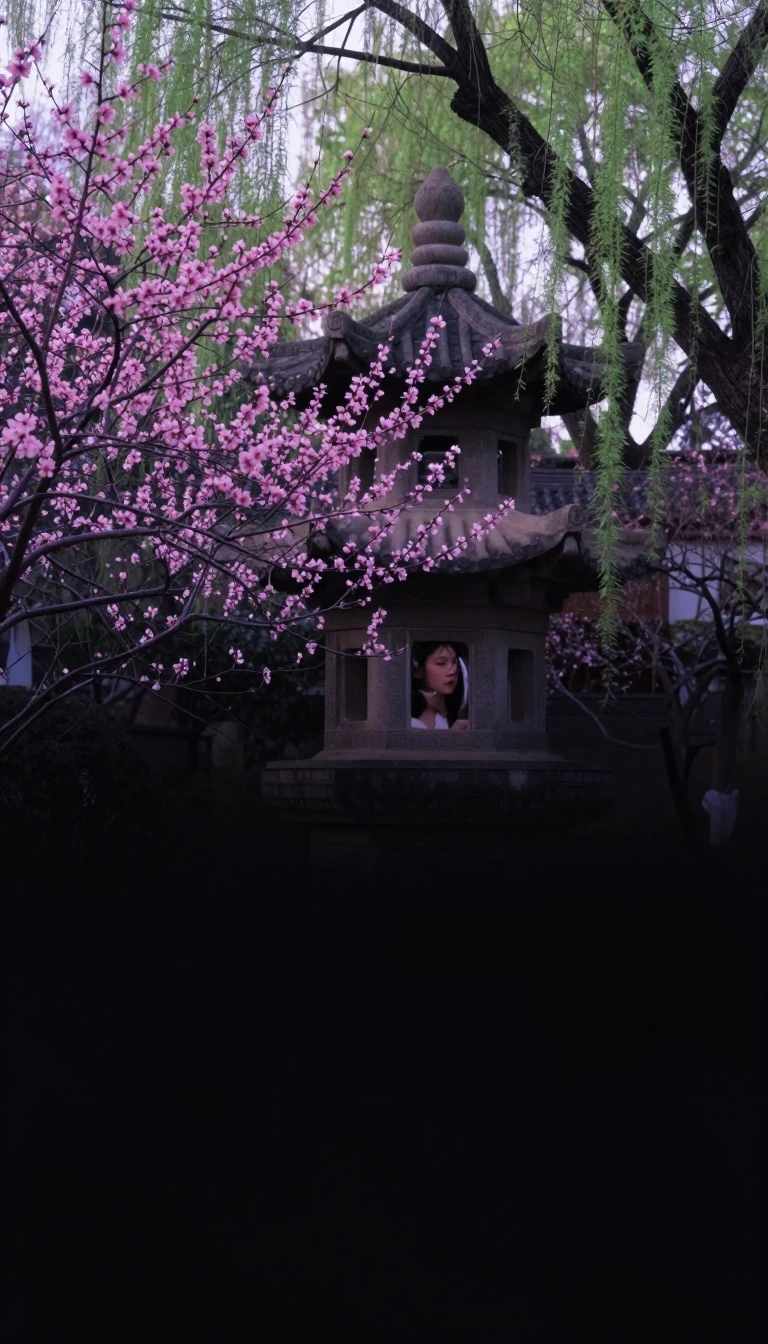
In short: Taiwanese identity is not a monolith but a dynamic blend of traditional Chinese values, Japanese colonial legacies, and indigenous tribal heritage. From the family-centered social structure to the global rise of bubble tea, the island’s culture reflects a unique history of migration, modernization, and a deep commitment to preserving heritage.
Taiwanese society is deeply rooted in traditional Chinese values, emphasizing a hierarchical, patriarchal, and patrilineal family structure. Historically, this social ladder prioritized scholars, followed by peasants, workers, merchants, and soldiers. While modernization and urbanization have significantly reduced family sizes—with over half of families classified as nuclear by 1980—the core tenets of filial piety and family loyalty remain central to daily life. Businesses on the island are frequently family-owned, and the household remains the primary focus of individual identity and social events.
The cultural landscape is further shaped by a diverse history of external influences. Beyond its Chinese origins, Taiwan absorbed elements of Japanese feudalism and clan-oriented structures during the period of colonial rule. Following 1945, the government actively promoted Chinese cultural elements while attempting to eradicate Japanese influences. However, since the 1990s, the state has shifted toward supporting the distinct cultural activities of various ethnic groups, a commitment even enshrined in the constitution. This evolution is visible in the arts, where traditional Chinese opera and calligraphy coexist with indigenous practices and contemporary exhibits.
Daily life in Taiwan is characterized by a strong emphasis on education and social ritual. Students face intense competition to enter top universities, and respect for elders remains a vital social norm. Cuisine also serves as a pillar of cultural pride; meals are lengthy, communal affairs, and the island’s food scene is globally renowned. The mid-1980s invention of bubble tea in T’ai-nan serves as a modern cultural export, illustrating how local traditions can rapidly evolve into international phenomena. Today, as the society has democratized, citizens increasingly engage in political life, reflecting a shift from traditional passivity to active civic participation.
Opens the Intellect+ feed with this card first. Swipe up for the next one.
Sources
- Summary by Intellect · source: Taiwan - Culture, Traditions, Festivals | Britannica
- Also: Taiwanese people
To cite this card, link to https://intellectplus.co.uk/app/nature-taiwanese-people.
How we source, check and correct cards: Editorial standards.
General information, not professional advice. Spotted an error? Flag the card or see corrections and complaints.
Intellect Plus is a visual educational discovery platform for exploring fascinating facts and ideas. Brain Food, Not Brain Rot. What is Intellect Plus?
Related
More in Physical geography · More in Nature · Latest · A–Z · All topics
