Taiwan holds the highest density of religious buildings in its region
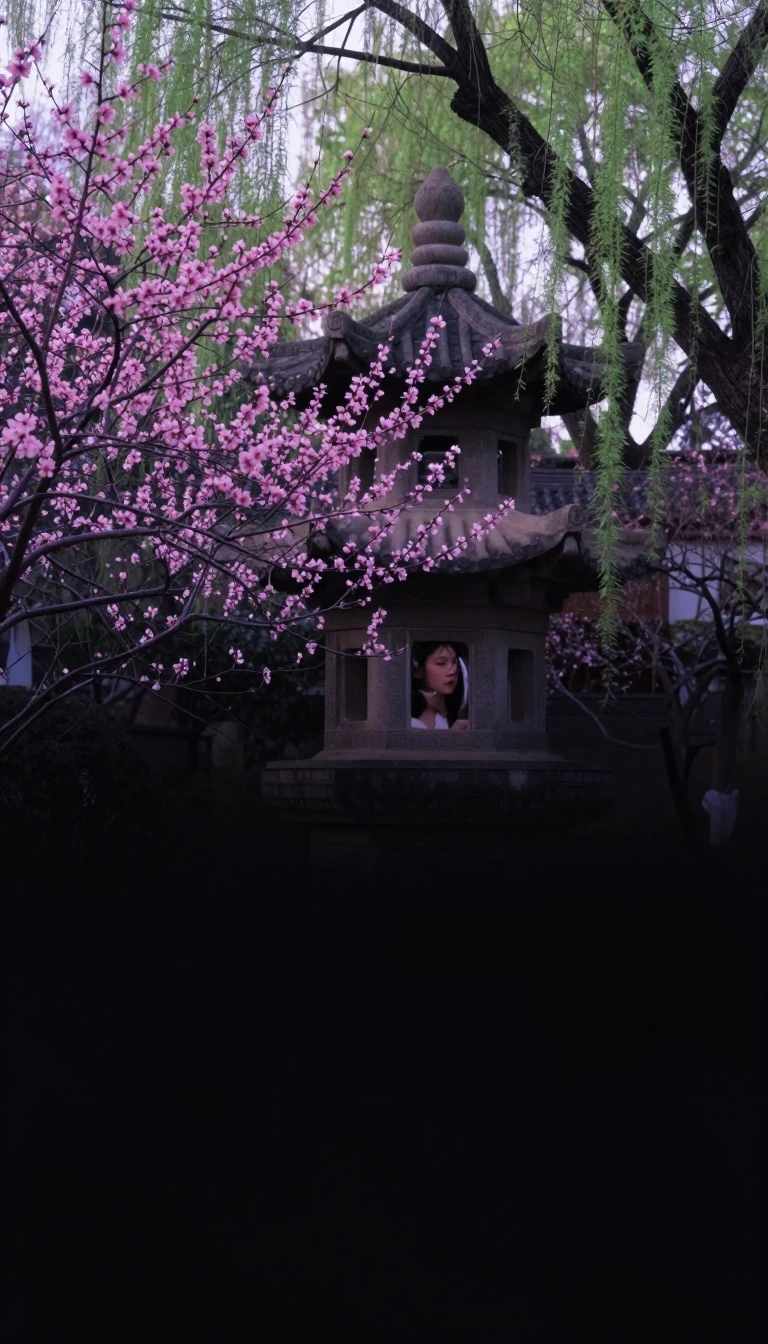
In short: In a land of 36,000 square kilometers, Taiwan averages nearly one place of worship for every single square kilometer. This staggering concentration reflects a spiritual landscape where ancient traditions, folk beliefs, and diverse faiths have layered over centuries to create the most religious environment in the Chinese-speaking world.
Taiwan's religious identity is defined by 'Chinese folk religion,' a complex tapestry that blends Buddhism, Taoism, and Confucianism. Because these traditions are so deeply intertwined—with many temples worshipping both Buddhist and Taoist deities like Guanyin—statistical analyses often struggle to separate them into distinct categories. This syncretic approach allows for a fluid spiritual life where various beliefs coexist within the same physical spaces.
The island's religious geography was shaped by waves of migration and colonial history. While indigenous peoples practiced animism before European contact, Han Chinese settlers arriving in the 1600s brought traditional religions to integrate their new communities. Over time, this led to unique cultural fusions, such as the incorporation of Ali-zu, a Siraya fertility god, into the broader Han pantheon of folk deities.
The modern landscape was significantly altered during Japanese rule (1895–1945). The Japanese government implemented various policies to regulate 'native religions,' ranging from laissez-faire attitudes to aggressive 'Japanisation' movements. These efforts included attempts to replace family altars with Shinto shrines and even the demolition of temples, an act they euphemistically called "sending the gods to Heaven." Ironically, these persecutions often led to a decline in public morals and a rise in skepticism among the local population.
Following 1945, the Republic of China took control, leading to further religious shifts. The retreat from mainland China brought significant spiritual leaders to the island, including the 63rd Celestial Master of Taoism, who established the orthodoxy of Zhengyi Dao in Taiwan. Today, the landscape remains diverse, featuring over 15,000 temples and churches, maintaining its status as a primary hub for religious practice. Infrastructure also played a role in spiritual evolution; Japanese-built railroads transformed local village shrines into island-wide pilgrimage sites. This modernization helped certain deities transcend their sub-ethnic origins to become 'pan-Taiwanese' symbols of faith.
Opens the Intellect+ feed with this card first. Swipe up for the next one.
Sources
- Summary by Intellect · source: Religion in Taiwan
To cite this card, link to https://intellectplus.co.uk/app/health-religion-in-taiwan.
How we source, check and correct cards: Editorial standards.
General information, not professional advice. Spotted an error? Flag the card or see corrections and complaints.
Intellect Plus is a visual educational discovery platform for exploring fascinating facts and ideas. Brain Food, Not Brain Rot. What is Intellect Plus?
Related
More in Mind · More in Health · Latest · A–Z · All topics
