The giant flightless bird that returned from the dead after fifty years of silence
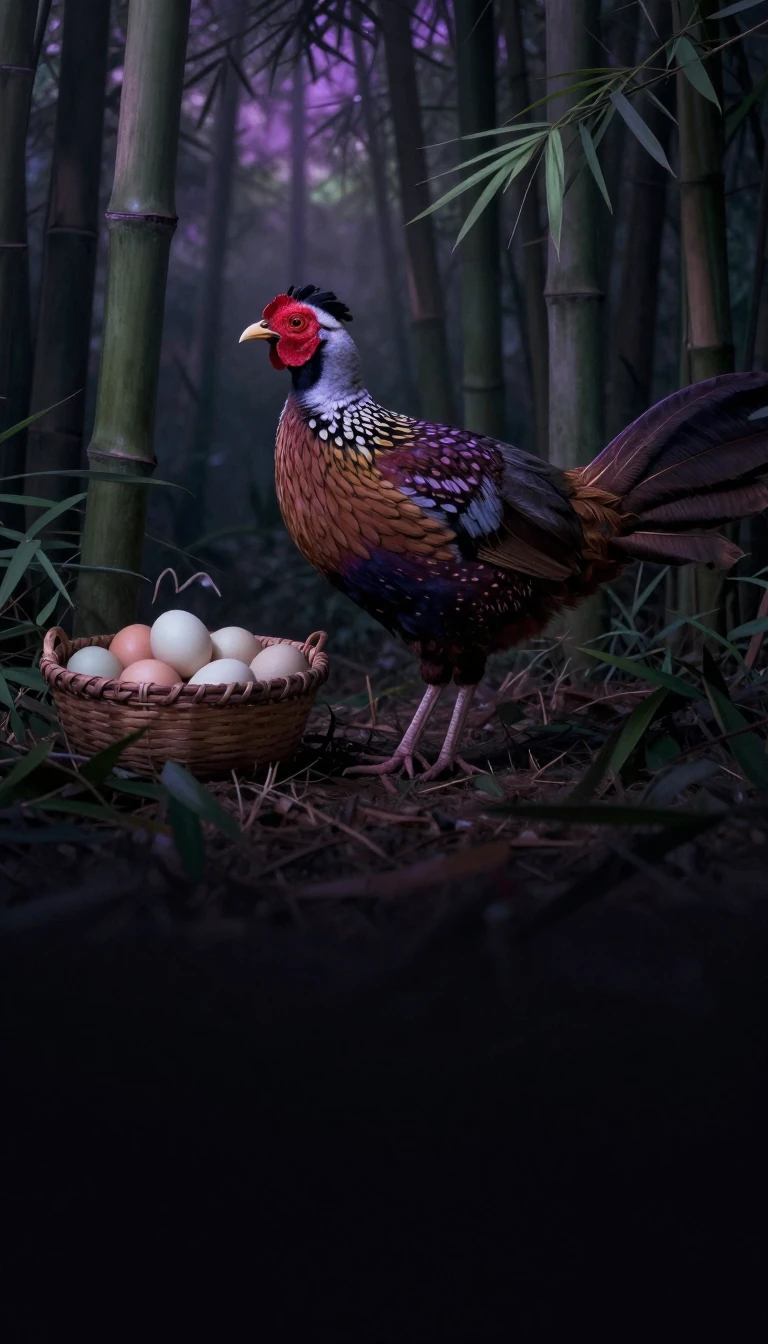
In short: Presumed extinct for half a century, the South Island takahē was dramatically rediscovered in a remote New Zealand valley in 1948. This massive, iridescent swamphen, once hunted to the brink by settlers and introduced predators, now serves as a high-stakes test case for intensive, human-led wildlife conservation.
The takahē is the largest living member of the rail family, a flightless, stocky bird known for its striking blue-and-green plumage and massive, scarlet bill. Historically widespread, the species suffered a catastrophic decline driven by climate shifts, hunting by Polynesian settlers, and the arrival of European colonists who introduced invasive mammals like red deer and stoats. By the late 19th century, after the last confirmed specimen was collected in 1898, the scientific community declared the bird extinct. It remained a ghost until 1948, when physician Geoffrey Orbell tracked mysterious footprints to an isolated valley in the Murchison Mountains, revealing a small, surviving population.
Since its rediscovery, the takahē has become a focal point for the New Zealand Department of Conservation. Because the species is K-selected—meaning it is long-lived, slow to reproduce, and genetically vulnerable—recovery has been arduous. Early conservation efforts were marked by debate over whether to intervene or let nature take its course. Eventually, the state adopted an aggressive management strategy, including the creation of predator-free offshore island sanctuaries, captive breeding programs, and the removal of competing deer from alpine habitats. At the Burwood Takahē Breeding Centre, biologists even used hand-held puppets to raise chicks, ensuring they did not imprint on their human caretakers.
Today, the takahē population is slowly climbing, reaching approximately 500 individuals by 2023. Despite this progress, the species remains fragile. Management is still required to boost reproductive output, as wild fertility rates are low and inbreeding remains a significant threat to long-term survival. Even with modern protections, the birds face accidental risks; for instance, conservationists have mistakenly culled takahē during efforts to control the similar-looking pūkeko. The ongoing recovery of the takahē illustrates the complex, often messy reality of trying to save a species that has been pushed to the absolute edge of existence.
Opens the Intellect+ feed with this card first. Swipe up for the next one.
Sources
- Summary by Intellect · source: Takahē
To cite this card, link to https://intellectplus.co.uk/app/nature-takah.
How we source, check and correct cards: Editorial standards.
General information, not professional advice. Spotted an error? Flag the card or see corrections and complaints.
Intellect Plus is a visual educational discovery platform for exploring fascinating facts and ideas. Brain Food, Not Brain Rot. What is Intellect Plus?
Related
More in Vertebrates · More in Nature · Latest · A–Z · All topics
