How Arthur Conan Doyle created the blueprint for the modern lost world adventure
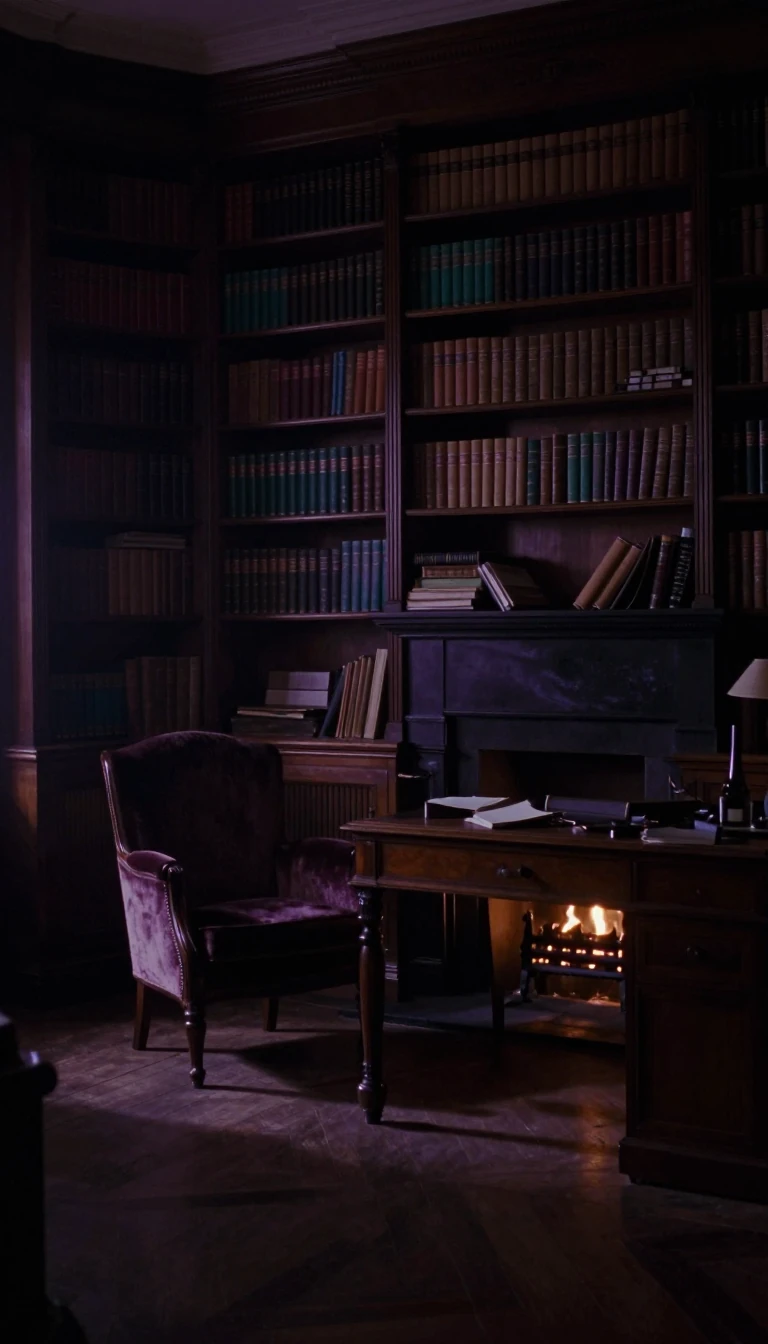
In short: Before Jurassic Park, there was Maple White Land. Sir Arthur Conan Doyle’s 1912 novel introduced the world to a hidden Amazonian plateau where prehistoric creatures survived into the modern era. It became a literary sensation, defining a subgenre of adventure fiction that remains a staple of popular culture today.
Published in 1912, The Lost World was Sir Arthur Conan Doyle’s attempt to bring the same level of cultural impact to the boys' adventure genre that Sherlock Holmes brought to detective fiction. The narrative follows journalist Edward Malone, who joins a volatile zoologist, Professor Challenger, on an expedition to a remote South American plateau. There, they discover a prehistoric ecosystem featuring dinosaurs, giant reptiles, and a primitive race of ape-men.
Doyle’s world-building relied on a mix of contemporary scientific interest and established literary tropes. He drew inspiration from zoologist Ray Lankester’s Extinct Animals and the real-life accounts of explorer Percy Fawcett. Fictional influences included Jules Verne’s subterranean journeys and H. Rider Haggard’s tales of hidden kingdoms. By blending these elements with sharp satire of academic rivalries and sensationalist journalism, Doyle created a story that appealed to both adults and younger readers.
The novel’s legacy is profound, as it established the 'lost world' as a distinct subgenre for adventure and science fiction. The 1925 silent film adaptation further cemented the concept in the public imagination. Beyond the dinosaurs, the story is remembered for its vivid characters, such as the adventurous hunter Lord John Roxton and the skeptical Professor Summerlee. The book has never been out of print, and its influence persists in any story featuring isolated, ancient environments.
While the explorers eventually escape the plateau, the discovery of diamonds in the blue clay provides a final twist, highlighting the greed and ambition that often drove such expeditions. The novel remains a masterclass in pacing and imaginative setting, proving that even a century later, the allure of a hidden, prehistoric world continues to captivate readers and define the standard for adventure storytelling.
Opens the Intellect+ feed with this card first. Swipe up for the next one.
Sources
- Summary by Intellect · source: The Lost World (Doyle novel)
To cite this card, link to https://intellectplus.co.uk/app/nature-the-lost-world-doyle-novel.
How we source, check and correct cards: Editorial standards.
General information, not professional advice. Spotted an error? Flag the card or see corrections and complaints.
Intellect Plus is a visual educational discovery platform for exploring fascinating facts and ideas. Brain Food, Not Brain Rot. What is Intellect Plus?
Related
More in Organisms · More in Nature · Latest · A–Z · All topics
