Jules Verne's survival epic was a literary puzzle of missing secrets and conflicting timelines.
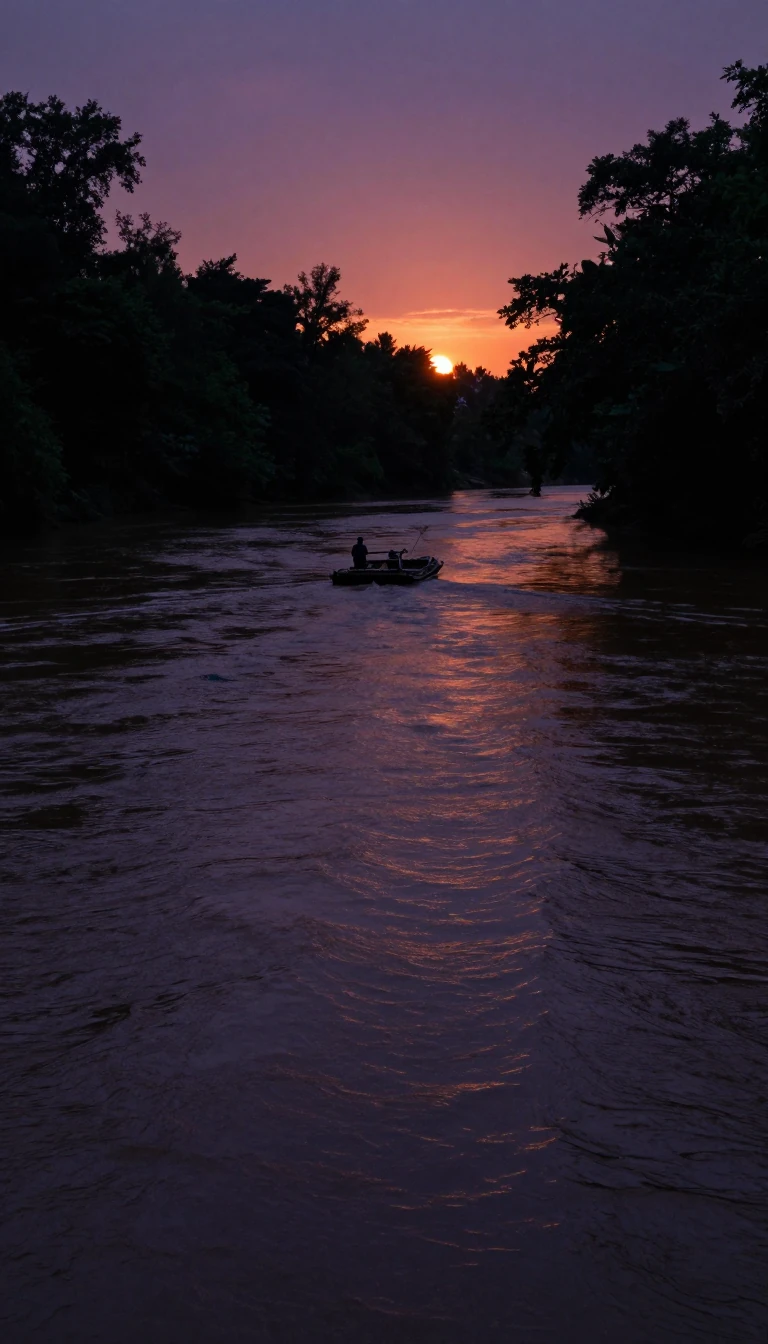
In short: Serialized in 1874, The Mysterious Island follows five Civil War escapees who transform a volcanic rock into a technological marvel. Yet, the novel is riddled with chronological errors, translation censorship, and a mysterious benefactor whose identity links back to the depths of the ocean and a hidden Indian prince.
The novel begins in 1865 with five Union prisoners hijacking a balloon during the Siege of Richmond. They land on Lincoln Island, a remote volcanic outcrop in the Pacific. Under the guidance of engineer Cyrus Smith, the group achieves remarkable self-sufficiency, constructing everything from pottery and bricks to an electric telegraph and a seaworthy ship. This survival narrative, which Verne initially drafted as a story titled Shipwrecked Family, echoes the influence of Robinson Crusoe and the real-life 1864 wreck of the Grafton.
Beneath the surface of this survival story lies a complex web of inconsistencies. The chronology fails to align with Verne’s earlier works, Twenty Thousand Leagues Under the Seas and In Search of the Castaways. For instance, Captain Nemo dies in this novel while he is still active in the earlier book. Furthermore, the character Neb is described as a former slave, despite his master, Smith, hailing from Massachusetts, where slavery had been abolished since the 1780s. These continuity errors are often acknowledged in modern editions.
The novel’s reception was long shaped by its English translations. The standard version for over a century, credited to W. H. G. Kingston, was actually produced by his wife, Agnes Kinloch Kingston. This translation intentionally purged anti-imperialist sentiments and abridged technical descriptions to suit British sensibilities. It was not until the 21st century that unabridged, faithful translations by Sidney Kravitz and Jordan Stump were published, finally restoring the full scope of Captain Nemo’s final confession as the Indian prince Dakkar, a veteran of the 1857 Indian Rebellion.
The legacy of the island has transcended the page, inspiring everything from 20th-century cinema and radio dramas to modern video games like Myst and Return to Mysterious Island. Whether through Tokyo DisneySea’s themed land or fan-made scenarios for strategy games, the story remains a cultural touchstone. It serves as both a testament to human ingenuity and a reminder of the editorial choices that can alter the perception of a classic work for generations.
Opens the Intellect+ feed with this card first. Swipe up for the next one.
Sources
- Summary by Intellect · source: The Mysterious Island
To cite this card, link to https://intellectplus.co.uk/app/nature-the-mysterious-island.
How we source, check and correct cards: Editorial standards.
General information, not professional advice. Spotted an error? Flag the card or see corrections and complaints.
Intellect Plus is a visual educational discovery platform for exploring fascinating facts and ideas. Brain Food, Not Brain Rot. What is Intellect Plus?
Related
More in Organisms · More in Nature · Latest · A–Z · All topics
