Rocks hold a secret clock that tracks how they cooled beneath our feet
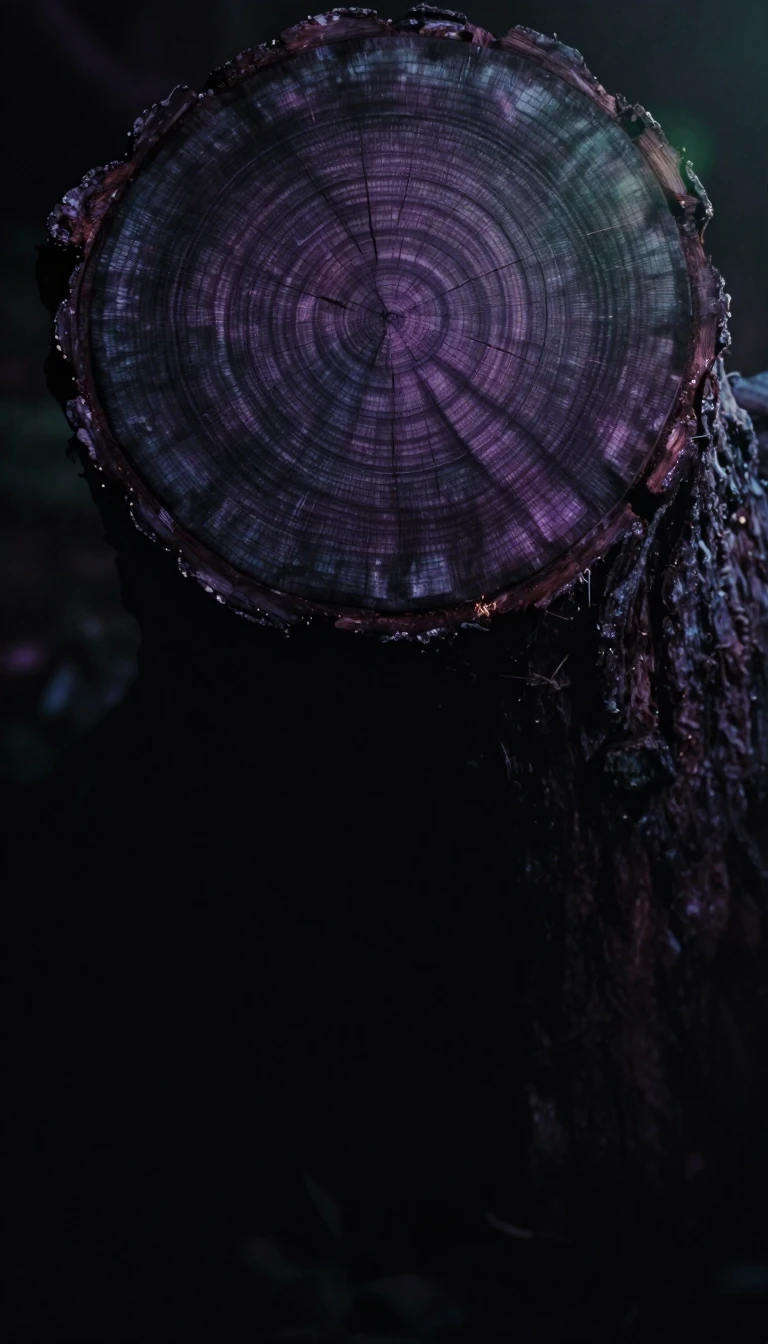
In short: Thermochronology uses the radioactive decay trapped inside minerals to reconstruct the thermal history of the Earth. By identifying the exact temperature at which a mineral stops leaking isotopes, geologists can calculate how fast mountains rose or how deeply sediments were buried millions of years ago.
While geochronology focuses on the absolute age of rock formation, thermochronology acts as a thermal thermometer for the Earth's crust. It relies on the concept of closure temperature: the threshold below which a mineral lattice becomes a closed system, effectively locking in daughter isotopes produced by radioactive decay. Above this temperature, these isotopes diffuse out of the mineral, resetting the clock. By measuring the ratio of parent to daughter isotopes, researchers can pinpoint when a rock cooled past this specific threshold.
This field employs various isotopic systems, such as uranium-lead in zircon, argon-argon in feldspars, and rubidium-strontium in mica. Each system has a unique closure temperature, allowing scientists to assemble continuous thermal histories by integrating multiple chronometers. Recent methodological leaps, including in situ laser ablation mass spectrometry and multi-domain diffusion models, have significantly improved the spatial resolution and accuracy of these reconstructions. These tools allow geologists to map complex processes like magmatic pulses, metallogenic episodes, and the tempo of tectonic events.
The implications of this research extend far beyond academic curiosity. By translating cooling ages into depths and times, thermochronologists can determine exhumation rates—the speed at which rocks are brought to the surface. This data is essential for refining models of continental growth, predicting landscape evolution in a changing climate, and guiding resource exploration. Whether analyzing vertical transects in steep canyons or studying Proterozoic shales, the discipline provides a robust framework for understanding the dynamic evolution of our planet's subsurface structure.
Opens the Intellect+ feed with this card first. Swipe up for the next one.
Sources
- Summary by Intellect · source: Geochronology and Thermochronology of Rock Formations | Structural Geology and Tectonics | Geology | Earth & environmental sciences | Topics | Nature Index
- Also: Thermochronology
To cite this card, link to https://intellectplus.co.uk/app/nature-thermochronology.
How we source, check and correct cards: Editorial standards.
General information, not professional advice. Spotted an error? Flag the card or see corrections and complaints.
Intellect Plus is a visual educational discovery platform for exploring fascinating facts and ideas. Brain Food, Not Brain Rot. What is Intellect Plus?
Related
More in Geology · More in Nature · Latest · A–Z · All topics
