Thunder is a supersonic shock wave born from the explosive expansion of superheated air.
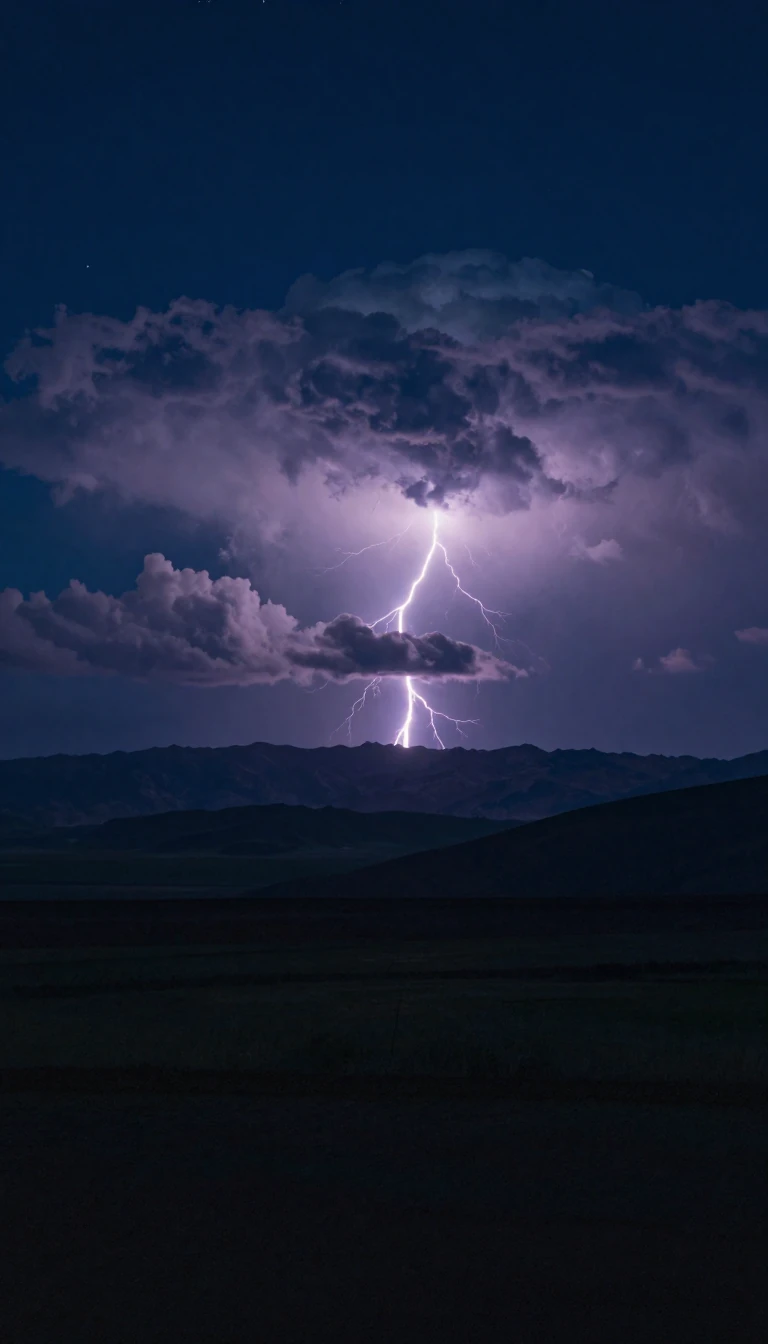
In short: Thunder is not merely a loud noise; it is a physical shock wave created when lightning heats air to temperatures hotter than the surface of the sun. This rapid thermal expansion creates a sonic pulse similar to a supersonic aircraft, capable of causing property damage and even rupturing human eardrums.
The scientific study of thunder, known as brontology, has evolved significantly since early thinkers attributed the sound to deities or colliding hail. By the mid-19th century, scientists incorrectly believed lightning created a vacuum that produced thunder upon collapse. Today, the consensus is that thunder originates from a shock wave caused by the sudden thermal expansion of plasma within a lightning channel.
Inside this channel, temperatures fluctuate dramatically during its 50-microsecond existence. Spectral analysis shows the temperature spikes to about 30,000 K before cooling. This intense heating forces the surrounding air to expand faster than the speed of sound, generating a shock wave comparable to an explosion. Near the source, sound pressure levels typically reach 165 to 180 dB, though they can exceed 200 dB in extreme cases.
The character of the sound depends on the lightning's nature and distance. Close-in strikes often begin with a clicking or tearing sound, followed by a sharp crack and then a rumble. While the fundamental model is well-supported by experimental simulations, researchers continue to debate the precise physical mechanisms, including the role of electrodynamic effects on the plasma. Furthermore, atmospheric conditions like temperature inversions can concentrate sound energy near the ground, significantly increasing its acoustic intensity.
Because light travels much faster than sound, the delay between a flash and its thunder provides a reliable way to gauge distance. A three-second gap roughly corresponds to one kilometer. Beyond the physics, thunder has left a deep mark on language and culture, with roots in Proto-Indo-European and the name of the Nordic god Thor. Despite this, the phenomenon remains a potent reminder of nature's raw power, capable of causing temporary deafness or internal injuries to those caught too close.
Opens the Intellect+ feed with this card first. Swipe up for the next one.
Sources
- Summary by Intellect · source: Thunder
To cite this card, link to https://intellectplus.co.uk/app/nature-thunder.
How we source, check and correct cards: Editorial standards.
General information, not professional advice. Spotted an error? Flag the card or see corrections and complaints.
Intellect Plus is a visual educational discovery platform for exploring fascinating facts and ideas. Brain Food, Not Brain Rot. What is Intellect Plus?
Related
More in Air · More in Nature · Latest · A–Z · All topics
