The thermosphere is a scorching, near-vacuum layer where satellites orbit and auroras ignite.
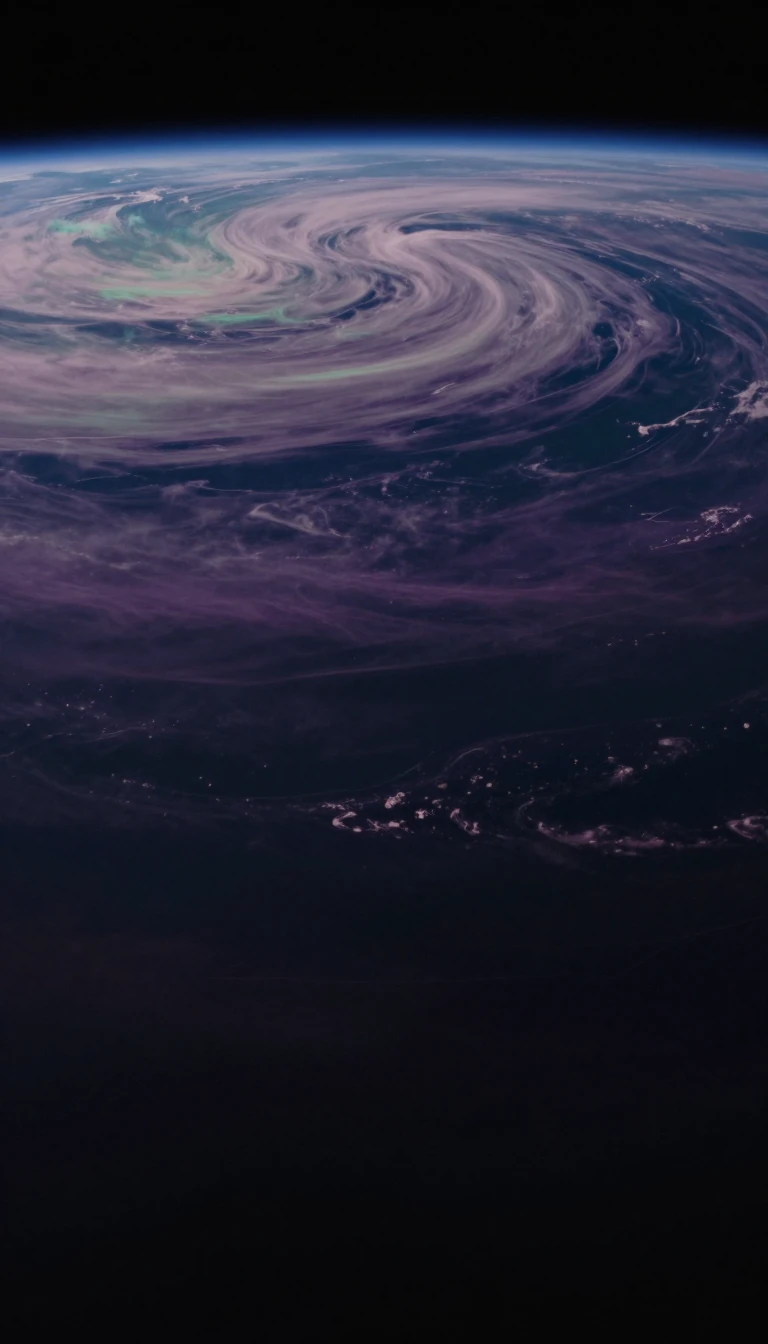
In short: High above the clouds, the thermosphere defies common sense. Despite temperatures that can soar to 2,000 degrees Celsius, the air is so thin that an object would feel freezing cold. This extreme region, where space begins, hosts the International Space Station and the brilliant, dancing lights of the aurora.
The thermosphere begins roughly 90 kilometers above Earth's surface, sitting directly atop the mesosphere. It is a region of dramatic thermal extremes, where temperatures climb sharply before leveling off at high altitudes. These temperatures are heavily dictated by solar activity; during periods of intense solar storms, the layer can heat up by 500 degrees Celsius and expand significantly, causing the upper boundary—the thermopause—to shift between 500 and 1,000 kilometers in altitude.
While the thermosphere is technically part of Earth's atmosphere, its density is so low that it is effectively a vacuum. This creates a paradox: although kinetic energy levels are high, the gas particles are too sparse to conduct heat to an object. An observer would not feel the heat; instead, they would lose energy through thermal radiation, causing a thermometer to read well below freezing. Because of this extreme attenuation, sound cannot travel through the anacoustic zone above 160 kilometers.
The layer is a dynamic environment where solar ultraviolet and X-ray radiation break apart molecules, creating an electrically charged ionosphere. This process is responsible for the aurora, as charged particles from space collide with atmospheric atoms, causing them to emit light. Furthermore, the varying density of this thin air creates drag on satellites, forcing engineers to periodically boost their orbits to prevent them from falling back toward the planet.
Beyond its role as a home for orbital infrastructure, the thermosphere acts as a complex filter for solar energy. Atmospheric tides and waves move energy throughout the region, while the lack of molecular collisions allows gases to separate by mass. This unique environment, where the atmosphere transitions into the void of space, remains a critical frontier for understanding how solar radiation interacts with our planet's protective layers.
Opens the Intellect+ feed with this card first. Swipe up for the next one.
Sources
- Summary by Intellect · source: The Thermosphere | Center for Science Education
- Also: Thermosphere
To cite this card, link to https://intellectplus.co.uk/app/nature-thermosphere.
How we source, check and correct cards: Editorial standards.
General information, not professional advice. Spotted an error? Flag the card or see corrections and complaints.
Intellect Plus is a visual educational discovery platform for exploring fascinating facts and ideas. Brain Food, Not Brain Rot. What is Intellect Plus?
Related
More in Air · More in Nature · Latest · A–Z · All topics
