Why these tiny, primate-like mammals are the ultimate evolutionary outliers of the forest
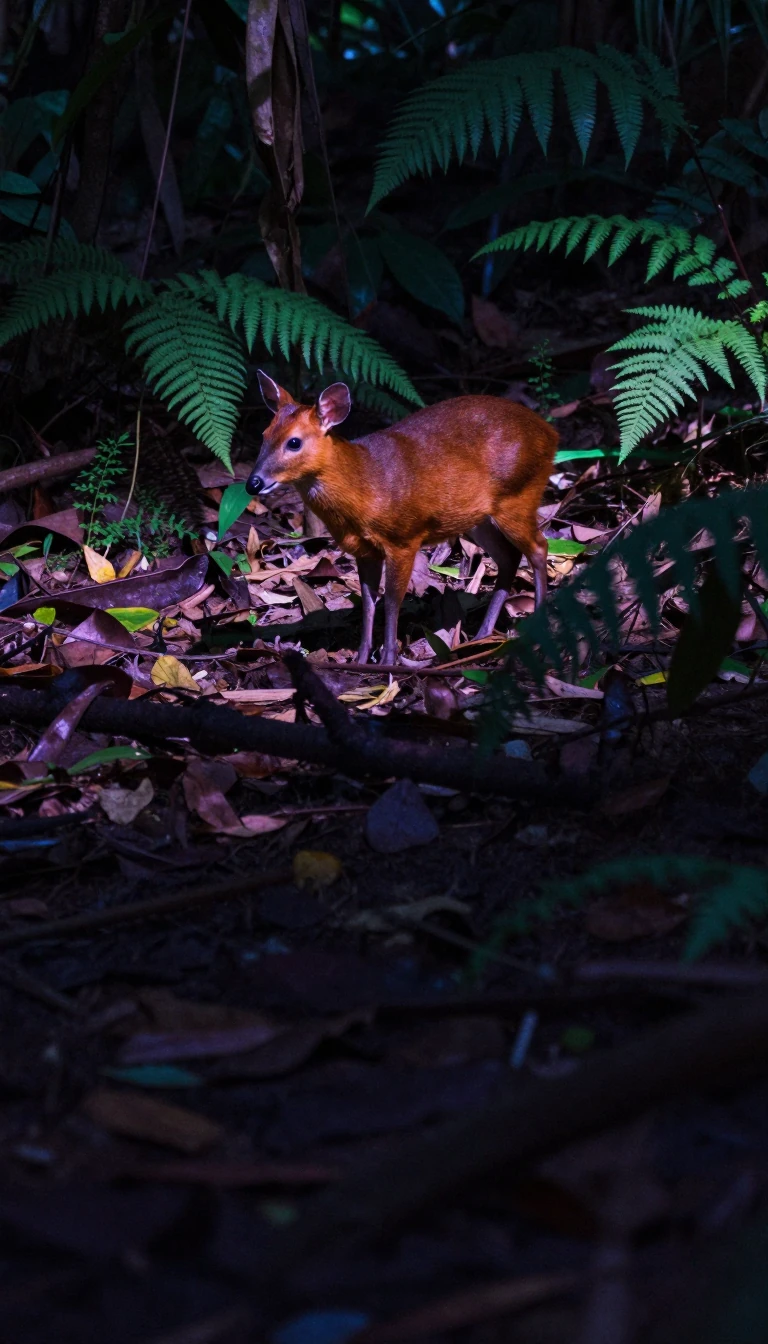
In short: Despite their name, treeshrews are not true shrews, and they are not all arboreal. These small, omnivorous mammals belong to their own unique order, Scandentia. They possess the highest brain-to-body mass ratio of any mammal, yet they exhibit surprisingly hands-off parenting and a bizarre, high-tolerance relationship with alcohol and spice.
Treeshrews, or banxrings, comprise the order Scandentia, which split into two distinct families—Tupaiidae and Ptilocercidae—about 60 million years ago. While they were once misclassified as Insectivora, they are now recognized as members of the grandorder Euarchonta, placing them as close evolutionary relatives to primates. This proximity has made them valuable subjects in scientific research, serving as models for studying human conditions like myopia, hepatitis, and psychosocial stress.
Their biology is full of contradictions. While they boast a brain-to-body mass ratio exceeding that of humans, this is common among animals weighing under 1 kg. Their behavior is equally distinct; for instance, the pen-tailed treeshrew in Malaysia consumes fermented nectar with up to 3.8% alcohol content daily without showing behavioral changes. Furthermore, they are the only mammals besides humans known to intentionally eat capsaicin-rich foods, an adaptation facilitated by a specific TRPV1 mutation that dulls their pain response to spice.
Their ecological interactions are equally sophisticated. In Borneo, montane pitcher plants like Nepenthes lowii have evolved a mutualistic relationship with treeshrews. The plants provide edible exudates on their aerial pitchers, positioning them so that the treeshrew’s hindquarters sit above the opening, allowing the plant to collect nitrogen-rich droppings. Despite these complex adaptations, the treeshrew's evolutionary history remains murky. The fossil record is sparse, with the oldest potential ancestor, Eodendrogale parva, dating to the Middle Eocene, though its identity remains contested.
Taxonomists continue to debate the exact placement of Scandentia within the mammalian tree of life. While molecular evidence often groups them within Euarchonta alongside primates and colugos, other studies suggest they may be sister to the Glires—the group containing rodents and lagomorphs. As research progresses, the treeshrew remains a fascinating puzzle, challenging our understanding of primate evolution and the limits of mammalian physiology.
Opens the Intellect+ feed with this card first. Swipe up for the next one.
Sources
- Summary by Intellect · source: Treeshrew
To cite this card, link to https://intellectplus.co.uk/app/nature-treeshrew.
How we source, check and correct cards: Editorial standards.
General information, not professional advice. Spotted an error? Flag the card or see corrections and complaints.
Intellect Plus is a visual educational discovery platform for exploring fascinating facts and ideas. Brain Food, Not Brain Rot. What is Intellect Plus?
Related
More in Organisms · More in Nature · Latest · A–Z · All topics
