The sea robin is a bottom-dwelling fish that walks and tastes with its fins.
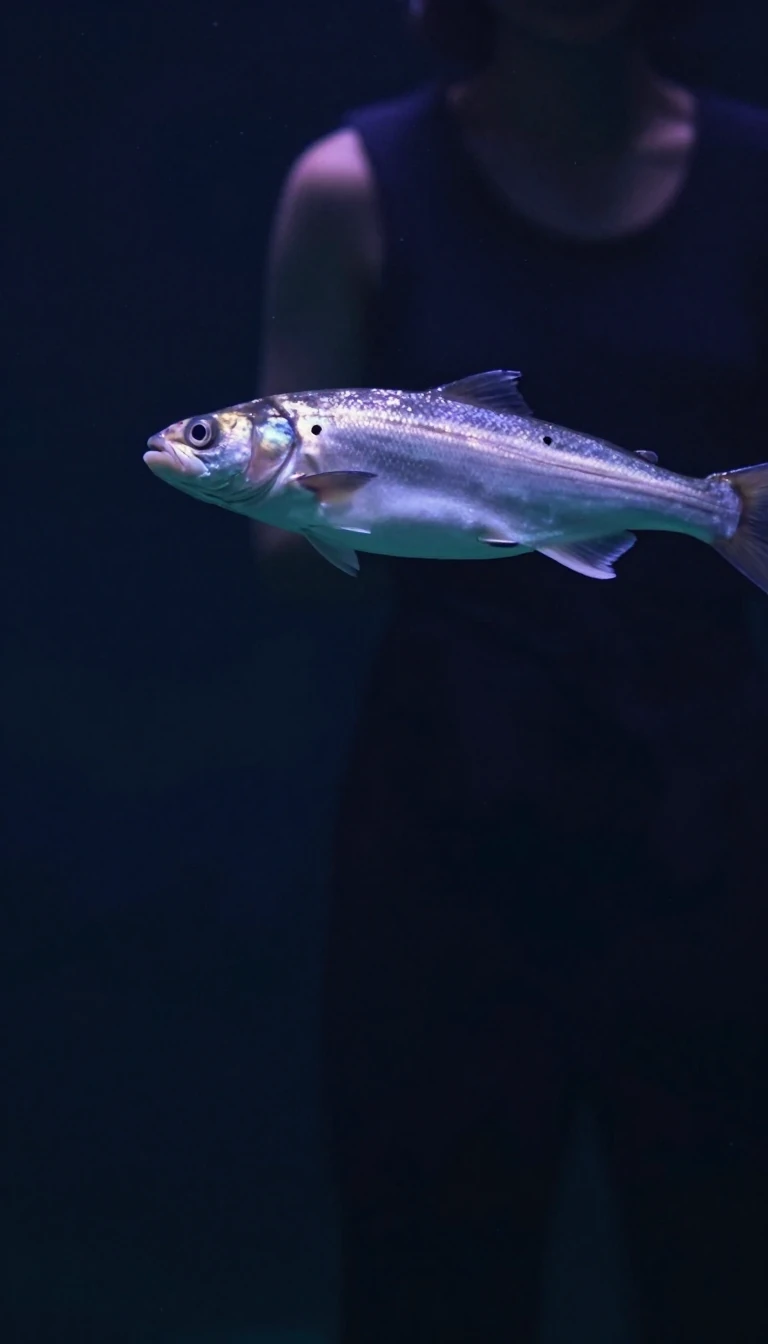
In short: Known as gurnards or sea robins, these bottom-feeding fish possess a unique anatomy that defies typical marine expectations. With bony, casque-like heads and pectoral fins that double as walking legs, they navigate the seafloor by tasting for prey, all while producing croaking sounds that echo through the water.
The Triglidae family, first described in 1815 by Constantine Samuel Rafinesque, comprises about 170 species of ray-finned fish found in temperate and tropical seas. Their classification remains a subject of debate among ichthyologists; while the 5th edition of Fishes of the World places them within the Scorpaeniformes, other authorities argue they belong to the Perciformes order. This uncertainty is compounded by the status of the Peristediidae family, which phylogenetic analyses suggest is nested within the Triglidae.
Physically, these fish are defined by their solid, armored skulls and specialized pectoral fins. The lower three rays of these fins detach during development, forming 'walking rays' equipped with unique muscles and chemoreceptors. This allows the fish to move across the substrate and literally 'taste' the seafloor for amino acids found in crustaceans, their primary food source. They also possess a 'drumming muscle' that strikes the swim bladder to create croaking sounds, a trait that historically led early naturalists to confuse them with the red mullet.
While once considered a nuisance bycatch in British waters, the gurnard has gained culinary appreciation as other fish stocks have declined. Their firm, white flesh is now a staple in dishes like bouillabaisse, leading to a significant rise in market value between 2007 and 2011. Despite their newfound popularity, they remain opportunistic predators, living at depths up to 200 meters, with juveniles typically favoring shallower waters than adults. Their size varies drastically, from the 10 cm spotwing gurnard to the 75.1 cm tub gurnard.
Opens the Intellect+ feed with this card first. Swipe up for the next one.
Sources
- Summary by Intellect · source: Triglidae
To cite this card, link to https://intellectplus.co.uk/app/nature-triglidae.
How we source, check and correct cards: Editorial standards.
General information, not professional advice. Spotted an error? Flag the card or see corrections and complaints.
Intellect Plus is a visual educational discovery platform for exploring fascinating facts and ideas. Brain Food, Not Brain Rot. What is Intellect Plus?
Related
More in Vertebrates · More in Nature · Latest · A–Z · All topics
