Why these arachnids spray vinegar and carry their young on their backs
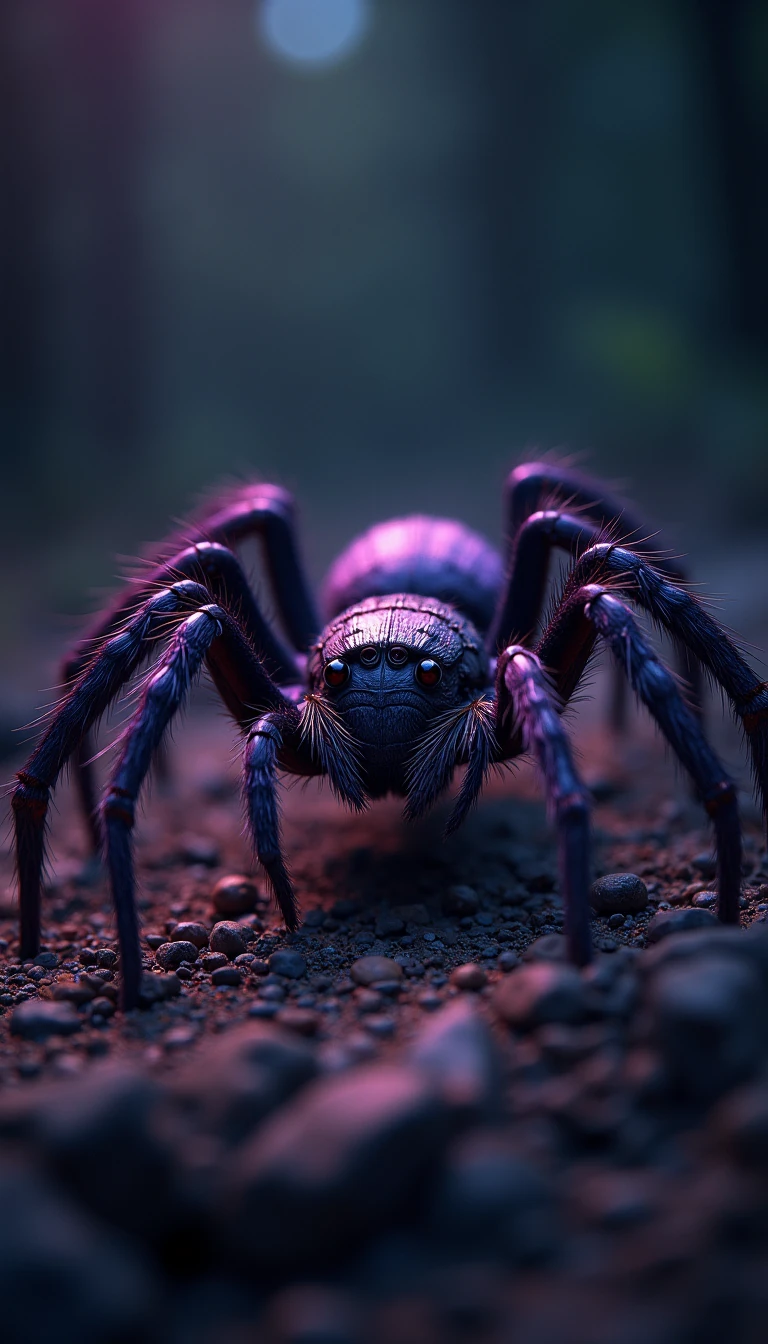
In short: Whip scorpions, or vinegaroons, are formidable arachnids that defend themselves by spraying a pungent, vinegar-scented acid. Despite their intimidating appearance and scorpion-like pincers, they are non-venomous nocturnal hunters. These fascinating creatures exhibit complex maternal care, carrying their young on their backs until they are ready to venture out into the world.
The order Uropygi, also known as Thelyphonida, comprises arachnids that have long been subject to shifting taxonomic definitions. Originally grouped with whip spiders and short-tailed whipscorpions under the name Pedipalpi, these invertebrates are now classified as a distinct order. The name Uropygi, introduced by Tamerlan Thorell in 1883, derives from Ancient Greek terms meaning tail and rump, referencing the whip-like flagellum at the end of their abdomen. Conversely, the name Thelyphonida stems from a genus described by Pierre André Latreille in 1802, which he interpreted as meaning one who kills.
Physically, these creatures are defined by their 12-segmented opisthosoma and a pygidium ending in a flagellum of 30 to 40 units. While they possess large, scorpion-like pedipalps, they lack venom glands entirely. Instead, when threatened, they discharge a defensive spray containing acetic and caprylic acid. This chemical defense is their primary deterrent against predators. They are primarily nocturnal, hunting insects, millipedes, and occasionally small vertebrates, using their first pair of legs as sensory antennae while walking on the remaining six.
Their reproductive cycle is notably involved. Males deposit a spermatophore, which the female collects. After laying up to 40 eggs in a protective broodsac, the mother seals herself in a burrow, fasting for months while holding her abdomen in an upward arch to keep the eggs off the ground. Once hatched, the young cling to their mother's back with specialized suckers. Following their first moult, they leave the burrow to begin a slow maturation process, typically reaching adulthood after four years. These animals are found in tropical and subtropical regions, favoring dark, humid environments, though some species like Mastigoproctus giganteus have adapted to arid landscapes in Arizona and New Mexico.
Opens the Intellect+ feed with this card first. Swipe up for the next one.
Sources
- Summary by Intellect · source: Uropygi
To cite this card, link to https://intellectplus.co.uk/app/nature-uropygi.
How we source, check and correct cards: Editorial standards.
General information, not professional advice. Spotted an error? Flag the card or see corrections and complaints.
Intellect Plus is a visual educational discovery platform for exploring fascinating facts and ideas. Brain Food, Not Brain Rot. What is Intellect Plus?
Related
More in Organisms · More in Nature · Latest · A–Z · All topics
