The polar bear is a master of the Arctic, but its future is melting away
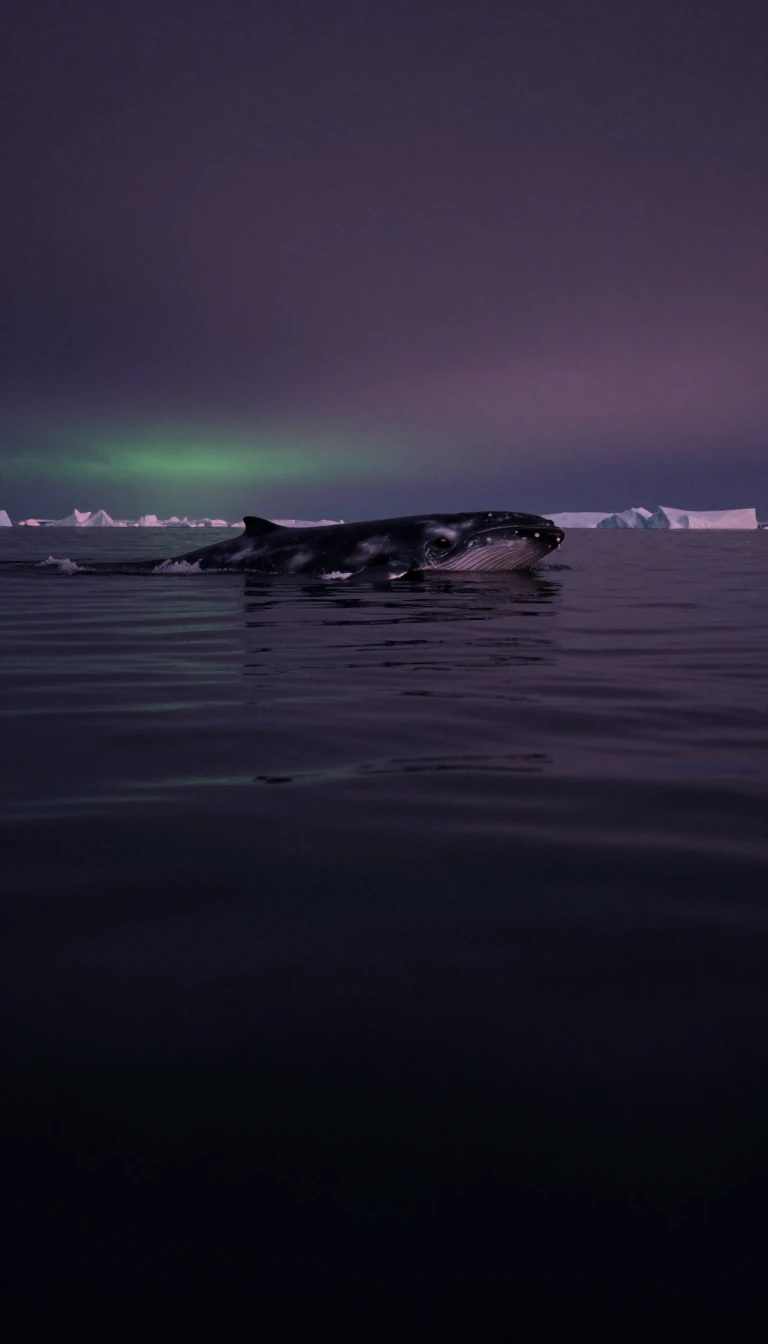
In short: As the largest land carnivore, the polar bear is a solitary giant uniquely adapted to life on drifting sea ice. Yet, this apex predator faces a precarious future. Driven by climate change and habitat loss, these bears are increasingly forced to forage for low-quality food as their icy world disappears.
The polar bear (Ursus maritimus) is a formidable inhabitant of the Arctic, sharing the title of the world's largest land carnivore with the Kodiak bear. Males are significantly larger than females, weighing between 410 and 720 kilograms and reaching lengths of up to 2.5 metres. Their physiology is perfectly tuned for their environment: thick fur allows sunlight to reach their black skin for heat absorption, while a layer of insulating fat keeps them warm. Their broad, hairy-soled feet provide traction on ice and prevent slipping, and they are the only four-legged mammals known to use primarily their front limbs for swimming.
Polar bears are opportunistic hunters, relying heavily on ringed and bearded seals. They stalk their prey on ice floes, ambush them at breathing holes, and even hunt beluga whales. Despite their prowess, their reproductive cycle is slow and demanding. Mating occurs in spring, followed by delayed implantation, with a total gestation period of up to 265 days. Cubs are born tiny—weighing less than 1 kilogram—and remain with their mothers for over two years. Because adult males may kill cubs, females are fiercely protective of their offspring.
The species faces significant threats from environmental shifts. Since 2006, the IUCN has classified the polar bear as vulnerable, and the U.S. government listed it as threatened in 2008. Global warming is rapidly reducing Arctic sea ice, which is the bear's primary hunting ground. As ice-free seasons lengthen, bears are forced to spend more time on land, scavenging for berries and seabird eggs. These food sources are nutritionally inferior and require more energy to obtain. With population models predicting a one-third decline by 2050, the survival of this iconic Arctic predator is increasingly tied to the stability of its frozen habitat.
Opens the Intellect+ feed with this card first. Swipe up for the next one.
Sources
- Summary by Intellect · source: Polar bear | Description, Habitat, & Facts | Britannica
- Also: Ursus (mammal)
To cite this card, link to https://intellectplus.co.uk/app/nature-ursus-mammal.
How we source, check and correct cards: Editorial standards.
General information, not professional advice. Spotted an error? Flag the card or see corrections and complaints.
Intellect Plus is a visual educational discovery platform for exploring fascinating facts and ideas. Brain Food, Not Brain Rot. What is Intellect Plus?
Related
More in Organisms · More in Nature · Latest · A–Z · All topics
