Earth is surrounded by donut-shaped zones of radiation that can change their shape.
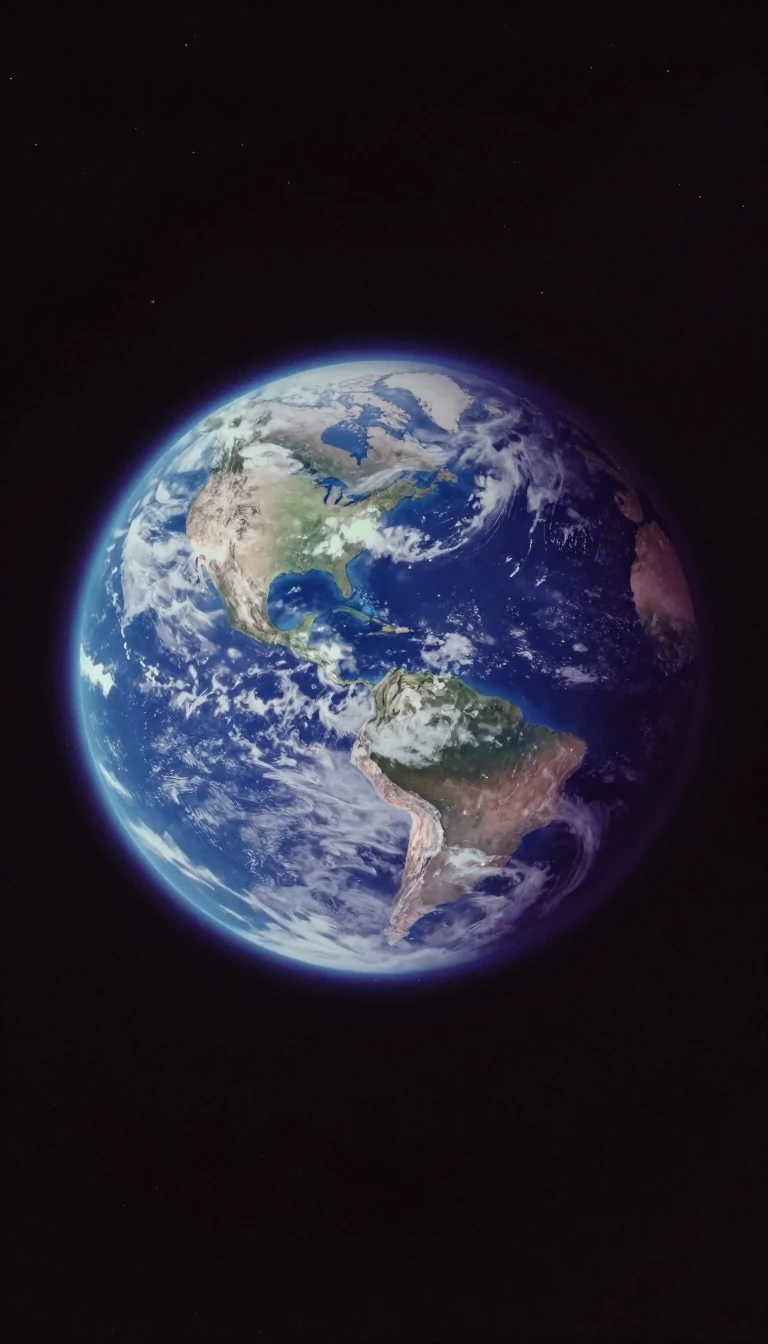
In short: Discovered in 1958, the Van Allen belts are giant, magnetically trapped swaths of energetic particles circling our planet. While once thought to be two stable zones, modern probes have revealed a much more complex, shifting environment that can expand, contract, or even sprout a temporary third belt during solar storms.
The Van Allen belts are regions of high-energy charged particles held in place by Earth's magnetic field. Named after physicist James Van Allen, who confirmed their existence using data from the 1958 Explorer 1 satellite, these zones act as a protective shield, trapping solar wind and cosmic rays that might otherwise damage the atmosphere. The inner belt, centered roughly 3,000 kilometers above the surface, is primarily composed of high-energy protons, while the outer belt consists of electrons and particles of both solar and atmospheric origin.
The structure of these belts is far more dynamic than early models suggested. Research from the Van Allen Probes, which launched in 2012 and operated for nearly seven years, revealed that the belts' appearance depends heavily on the specific energy levels of the particles being observed. At certain energy thresholds, the inner belt may appear larger than the outer, while at others, the inner structure may vanish entirely. Furthermore, intense solar activity, such as coronal mass ejections, can trigger geomagnetic storms that cause the belts to fluctuate, occasionally creating a transient third zone of radiation.
Understanding these belts is increasingly vital for modern technology and space exploration. Even a single high-energy particle can disrupt sensitive electronics on satellites or spacecraft. As NASA prepares for future missions to the Moon and Mars under the Artemis program, researchers are studying how these belts affect human health and equipment. Because astronauts must pass through these regions to reach deep space, the goal is to navigate the belts quickly to minimize radiation exposure, ensuring the safety of crews during long-duration voyages beyond Earth's protective magnetosphere.
Opens the Intellect+ feed with this card first. Swipe up for the next one.
Sources
- Summary by Intellect · source: Van Allen Radiation Belts: Facts & Findings
- Also: What are the Van Allen Belts and why do they matter? - NASA Science
- Also: Van Allen radiation belt | Earth’s Magnetosphere, Electrons & Protons | Britannica
- Also: Van Allen radiation belt
To cite this card, link to https://intellectplus.co.uk/app/nature-van-allen-radiation-belt.
How we source, check and correct cards: Editorial standards.
General information, not professional advice. Spotted an error? Flag the card or see corrections and complaints.
Intellect Plus is a visual educational discovery platform for exploring fascinating facts and ideas. Brain Food, Not Brain Rot. What is Intellect Plus?
Related
More in Geology · More in Nature · Latest · A–Z · All topics
