The secret hierarchy of the ground beneath your feet
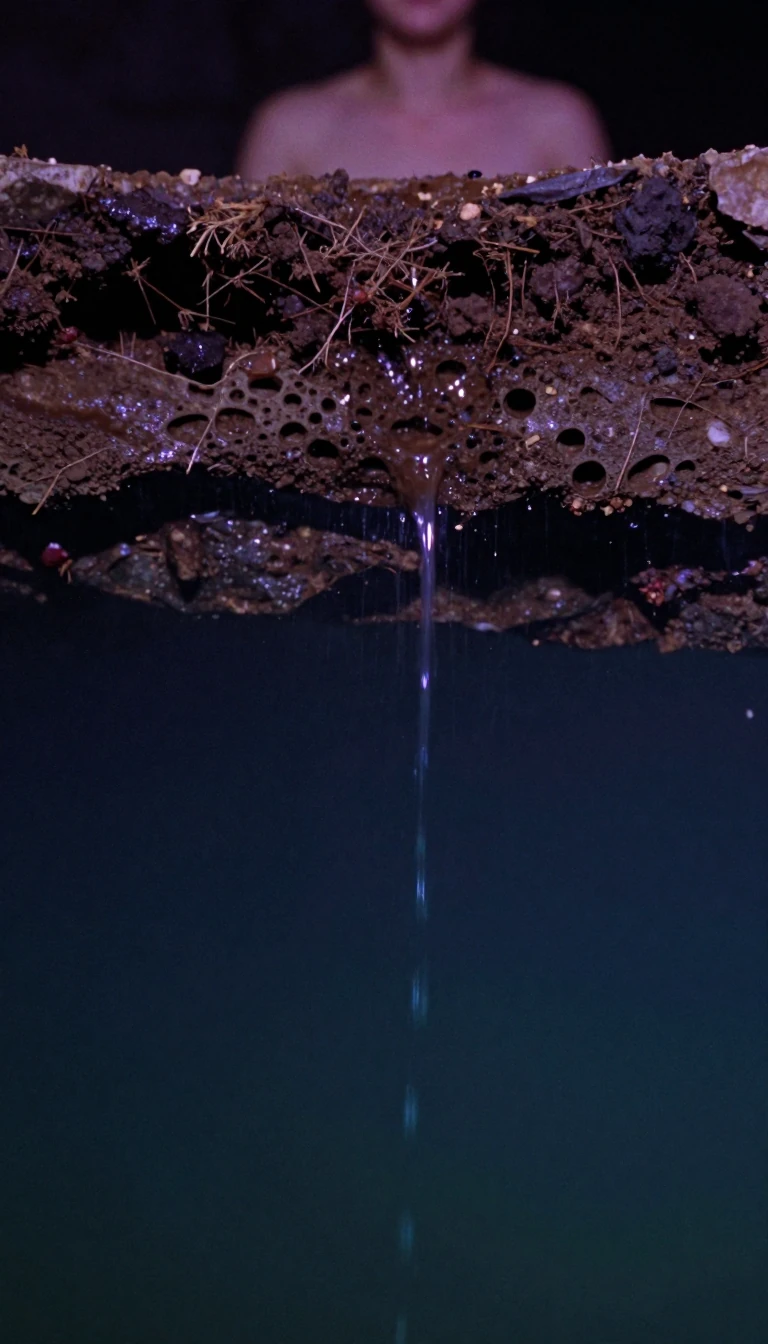
In short: Soil is not just dirt; it is a complex geological record. The USDA Soil Taxonomy organizes the world's ground into a rigorous six-level hierarchy, moving from broad global patterns to hyper-local specifics. It reveals how climate, parent material, and time collaborate to shape the very foundation of our ecosystems.
Developed by Guy Donald Smith, the USDA Soil Taxonomy provides a systematic arrangement of soil types based on measurable properties like depth, moisture, temperature, texture, and organic matter content. The system operates on six hierarchical levels: Order, Suborder, Great Group, Subgroup, Family, and Series. Each level narrows the scope, with 'Order' representing the most general classification and 'Series' providing the most specific description of a soil's physical location and characteristics.
At the top level, there are 12 soil orders, each ending in the suffix -sol. These orders reflect major differences in soil genesis. For example, Entisols are recently formed soils with little development, while Oxisols are heavily weathered, nutrient-poor soils typical of old tropical landscapes. The taxonomy also accounts for extreme environments, such as Gelisols (permafrost soils) and Histosols (organic soils like peat or bog), which can appear at various stages of development depending on local conditions.
The system is highly nuanced, utilizing specific criteria like 'base saturation' and 'cation exchange capacity' to differentiate groups. For instance, Mollisols are characterized by thick, dark A horizons and high base saturation, making them ideal for grasslands. Conversely, Vertisols are defined by high clay content that causes them to swell when wet and shrink into deep cracks when dry. By categorizing these properties, pedologists can predict how a specific soil will respond to agricultural management, engineering, and natural ecological processes.
While the taxonomy is a global standard, its application varies by geography. In the United States, there are approximately 4,500 recognized soil families and over 14,000 soil series. This level of granularity allows for precise identification, such as naming a soil after a nearby river or town, ensuring that the unique geological identity of a specific plot of land is preserved within a global scientific framework.
Opens the Intellect+ feed with this card first. Swipe up for the next one.
Sources
- Summary by Intellect · source: USDA soil taxonomy
- Also: www.nrcs.usda.gov — Soil Taxonomy | Natural Resources Conservation Service
To cite this card, link to https://intellectplus.co.uk/app/nature-usda-soil-taxonomy.
How we source, check and correct cards: Editorial standards.
General information, not professional advice. Spotted an error? Flag the card or see corrections and complaints.
Intellect Plus is a visual educational discovery platform for exploring fascinating facts and ideas. Brain Food, Not Brain Rot. What is Intellect Plus?
Related
More in Geology · More in Nature · Latest · A–Z · All topics
