How a major international airport protects itself from rising sea levels and climate change
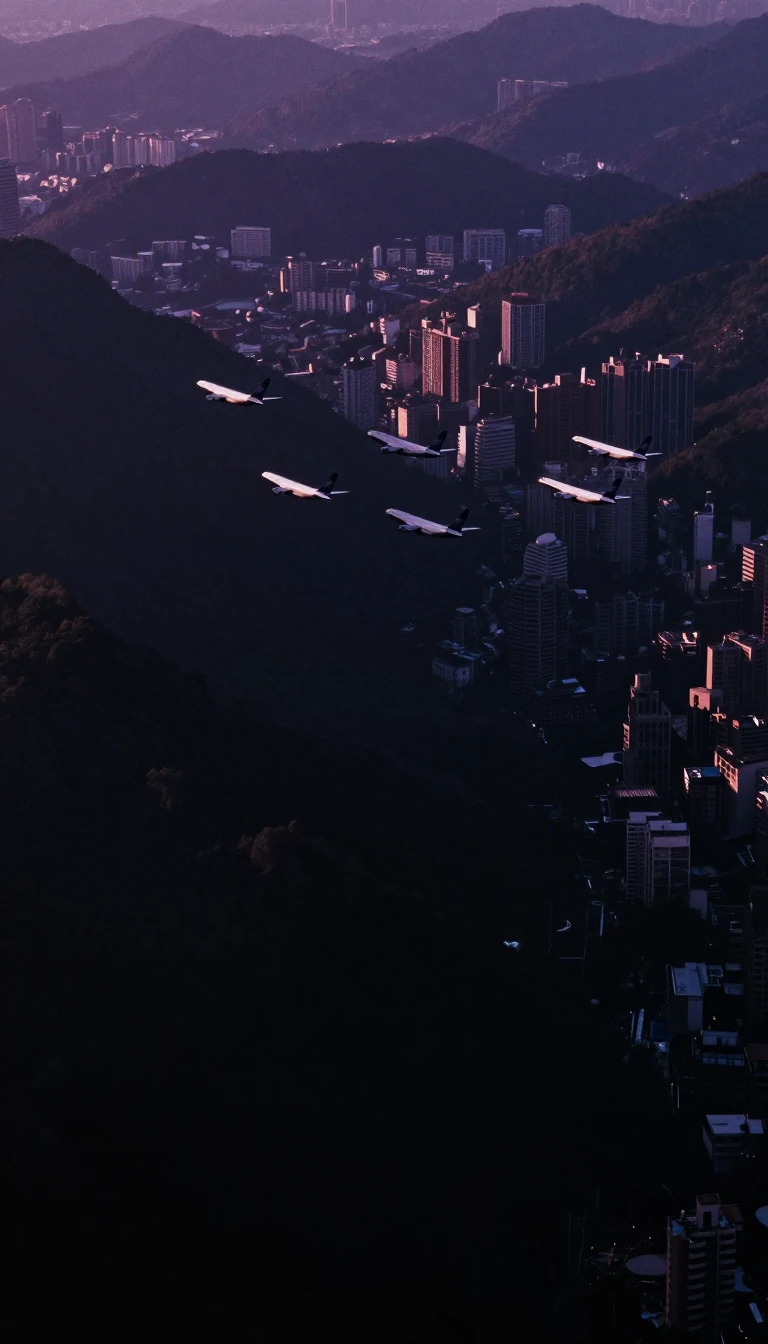
In short: Vancouver International Airport sits entirely at sea level on Sea Island, necessitating a sophisticated 22-kilometre system of dikes to prevent flooding. As climate change increases the risk of extreme weather and storm surges, the airport authority is actively planning infrastructure upgrades, including new pump stations and further raising its defenses.
Located 12 kilometres from downtown Vancouver, the airport occupies about 1,340 hectares on Sea Island. Its geography is central to its identity and its operational challenges. Because the entire site is at sea level, the airport relies on a 22-kilometre network of dikes for protection. These barriers are not static; they are part of a long-term strategy to mitigate the growing threats posed by climate change, specifically the increased frequency of storm surges and extreme weather events that could jeopardize the facility.
The airport's history on the island dates back to 1929, when the City of Vancouver purchased the land for aviation use. During World War II, the site was transformed into RCAF Station Sea Island, supporting the British Commonwealth Air Training Plan and housing crews in a new town-site called Burkeville. Today, the airport has evolved into Canada's second-busiest hub, serving 26.2 million passengers annually and acting as a primary gateway for transpacific travel. Managing this scale of operations while navigating the physical vulnerabilities of a low-lying island requires constant adaptation.
Beyond its dikes, the airport is known for its distinct British Columbian aesthetic, which integrates Pacific Northwest Coast Native art, such as Bill Reid’s bronze sculpture, The Spirit of Haida Gwaii: The Jade Canoe. The terminal design emphasizes light through extensive use of glass and carpet, while incorporating natural elements like indoor streams and forest displays. This focus on environment extends to accessibility, with the airport earning the Rick Hansen Accessibility Award in 2004 for its commitment to removing physical barriers for travelers with mobility limitations.
Looking forward, the airport’s 'Flight Plan 2037' master plan outlines 75 projects with a projected cost of $5.6 billion. This ambitious roadmap aims to increase capacity to 35 million passengers by 2037. The plan includes significant facility expansions, such as new piers and gates, alongside necessary improvements to vehicle access and infrastructure resilience, ensuring the airport remains a competitive trans-Pacific hub despite the environmental constraints of its coastal location.
Opens the Intellect+ feed with this card first. Swipe up for the next one.
Sources
- Summary by Intellect · source: Vancouver International Airport
To cite this card, link to https://intellectplus.co.uk/app/nature-vancouver-international-airport.
How we source, check and correct cards: Editorial standards.
General information, not professional advice. Spotted an error? Flag the card or see corrections and complaints.
Intellect Plus is a visual educational discovery platform for exploring fascinating facts and ideas. Brain Food, Not Brain Rot. What is Intellect Plus?
Related
More in Physical geography · More in Nature · Latest · A–Z · All topics
