Is the West Coast defined by geography, politics, or the Pacific Ocean itself?
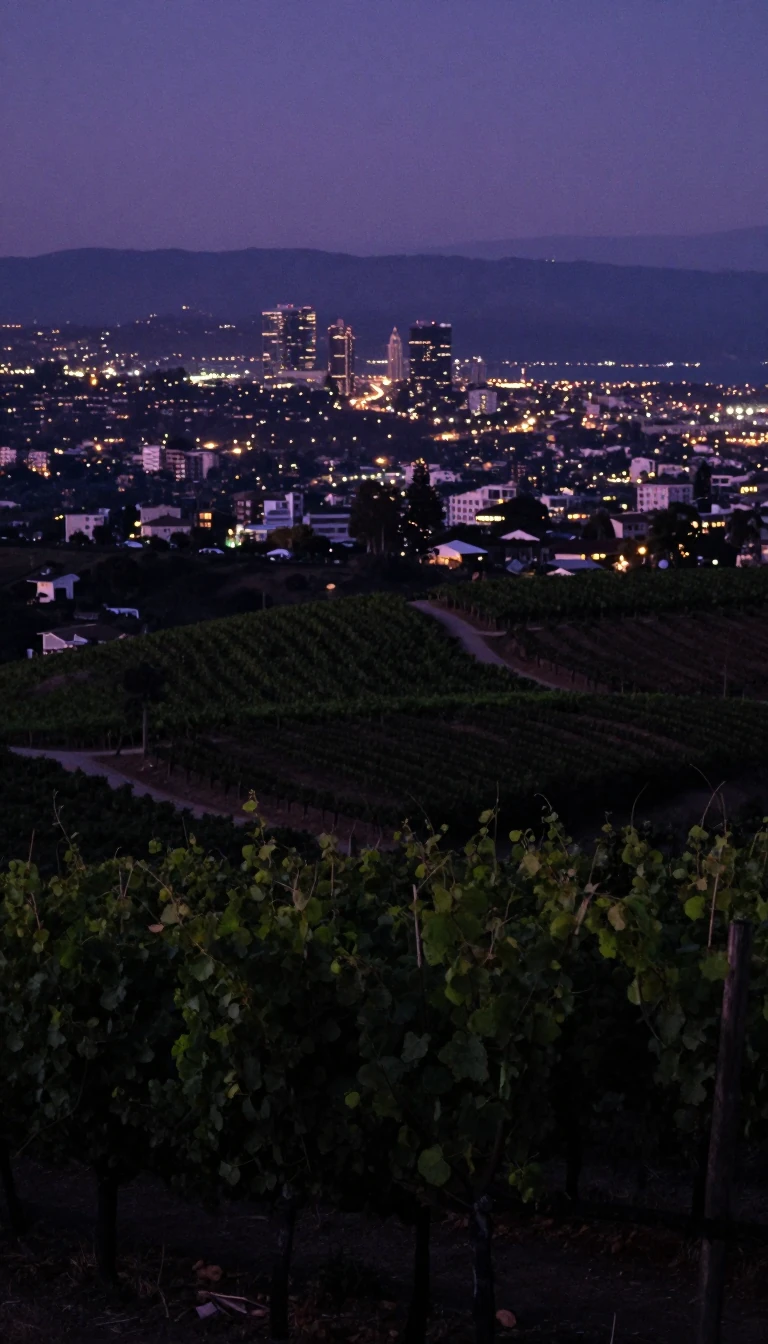
In short: The West Coast is more than a map line. While it always includes California, Oregon, and Washington, definitions shift from bureaucratic inclusion of Alaska and Hawaii to a political blue wall. From Mediterranean climates to tech-driven economies, this region defies simple categorization, blending ancient migration routes with modern global influence.
The human history of the West Coast began between 45,000 BCE and 12,000 BCE, when Paleo-Indians crossed the Bering land bridge from Eurasia. By 16,500 BCE, ice-free corridors emerged along the Pacific, allowing these early populations to establish trade routes and diverse languages. Centuries later, the region saw waves of colonial exploration by Spanish, British, French, Russian, and American settlers. Official incorporation into the United States followed in the mid-19th century, marked by the 1848 Treaty of Guadalupe Hidalgo and the 1846 Oregon Treaty, which paved the way for California, Oregon, and Washington to join the Union between 1850 and 1889.
Geographically, the region is defined by a stark climatic divide. An oceanic climate dominates the north, while a Mediterranean climate prevails from Northern California to the Mexican border. Coastal temperatures are moderated by cold Pacific currents and mountain ranges, creating unique microclimates where coastal fog keeps shoreline temperatures cool even during summer. This environmental backdrop has fostered distinct cultural identities, from the coffee-centric, bibliophile soul of the Pacific Northwest to the Hispanic-American influence in the south and the global creative power of Hollywood.
Politically, the contiguous states have formed a consistent Democratic stronghold since 1992, often described as a blue wall of shared values regarding climate change and civil liberties. This alignment is reflected in urban planning, with cities like San Jose, San Francisco, and Seattle leading the nation in low-emission transportation. Despite this cohesion, the region remains diverse; Alaska, while occasionally grouped in bureaucratic definitions, has remained a reliable Republican state in presidential elections since 1968, highlighting the complex, often contradictory nature of the Pacific Coast identity.
Opens the Intellect+ feed with this card first. Swipe up for the next one.
Sources
- Summary by Intellect · source: West Coast of the United States
To cite this card, link to https://intellectplus.co.uk/app/nature-west-coast-of-the-united-states.
How we source, check and correct cards: Editorial standards.
General information, not professional advice. Spotted an error? Flag the card or see corrections and complaints.
Intellect Plus is a visual educational discovery platform for exploring fascinating facts and ideas. Brain Food, Not Brain Rot. What is Intellect Plus?
Related
More in Organisms · More in Nature · Latest · A–Z · All topics
