The Weddell seal thrives in the coldest habitat of any mammal on Earth
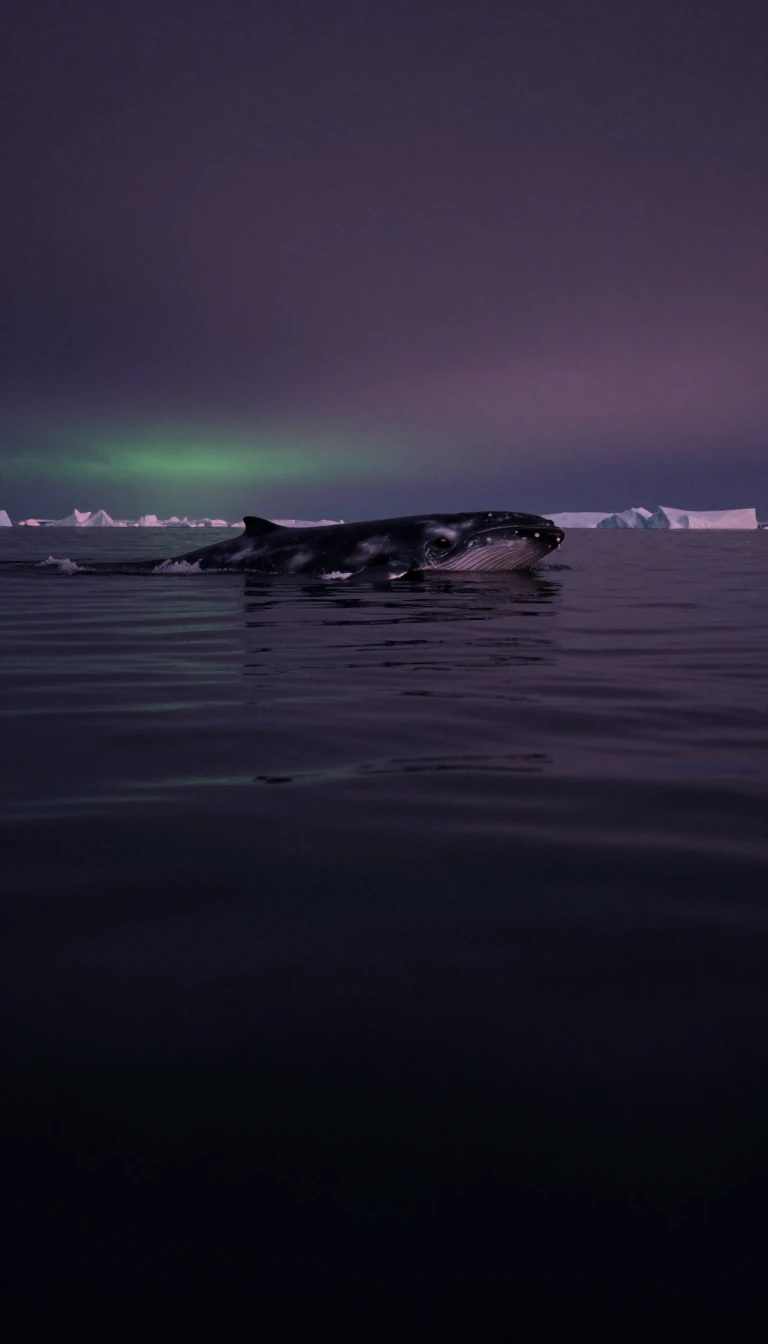
In short: Living further south than any other mammal, the Weddell seal has mastered the extreme Antarctic environment. These resilient creatures spend their lives beneath the ice, using specialized hunting tactics and even their own teeth to maintain breathing holes in the frozen landscape, all while navigating the dark, frigid depths of the Southern Ocean.
The Weddell seal, Leptonychotes weddellii, holds the distinction of having the most southerly distribution of any mammal, with habitats reaching as far as McMurdo Sound at 77°S. Unlike other seals that migrate, these non-migratory animals remain near their birthplace, spending much of their time beneath the Antarctic ice. This environment provides a strategic advantage, allowing them to avoid apex predators like orcas and leopard seals, which primarily target juveniles and pups in open water or on pack ice.
To survive in this harsh, ice-bound world, the seals have developed remarkable adaptations. When natural openings are scarce, they use their teeth to carve and maintain breathing holes in the ice pack. Their hunting strategy is equally ingenious: they often dive beneath their prey, silhouetting fish against the light filtering through the ice above. In total darkness, they rely on highly sensitive whiskers—complex organs containing over 500 nerve endings—to detect the wake of swimming fish. They are opportunistic feeders, consuming cod, silverfish, crustaceans, and occasionally even penguins.
Physiologically, these seals are masters of the deep. They can dive to depths of 2,000 feet and remain submerged for up to 45 minutes. During these descents, they utilize negative buoyancy in the first 30 to 50 meters to conserve energy. While they are vocal creatures whose calls can be heard above the ice, their lives are largely defined by their relationship with the fast ice, where they haul out to rest, molt, and give birth to pups that are capable of swimming by two weeks of age.
The species is well-documented due to its proximity to Antarctic bases, yet it remains a subject of scientific interest, particularly regarding its diet and social behaviors. While they are generally considered sedentary, an active adult can consume over 50 kilograms of food in a single day. Despite their status as top predators, their survival is inextricably linked to the shifting dynamics of the Antarctic ice, which dictates their movement and access to the breathing holes essential for their survival.
Opens the Intellect+ feed with this card first. Swipe up for the next one.
Sources
- Summary by Intellect · source: Weddell Seal | National Geographic
- Also: Weddell seal
- Also: iNaturalist — Weddell Seal (Leptonychotes weddellii) · CC BY-SA 4.0 (Wikipedia summary)
To cite this card, link to https://intellectplus.co.uk/app/nature-weddell-seal.
How we source, check and correct cards: Editorial standards.
General information, not professional advice. Spotted an error? Flag the card or see corrections and complaints.
Intellect Plus is a visual educational discovery platform for exploring fascinating facts and ideas. Brain Food, Not Brain Rot. What is Intellect Plus?
Related
More in Organisms · More in Nature · Latest · A–Z · All topics
