A massive, ancient sea once split North America into three distinct island continents.
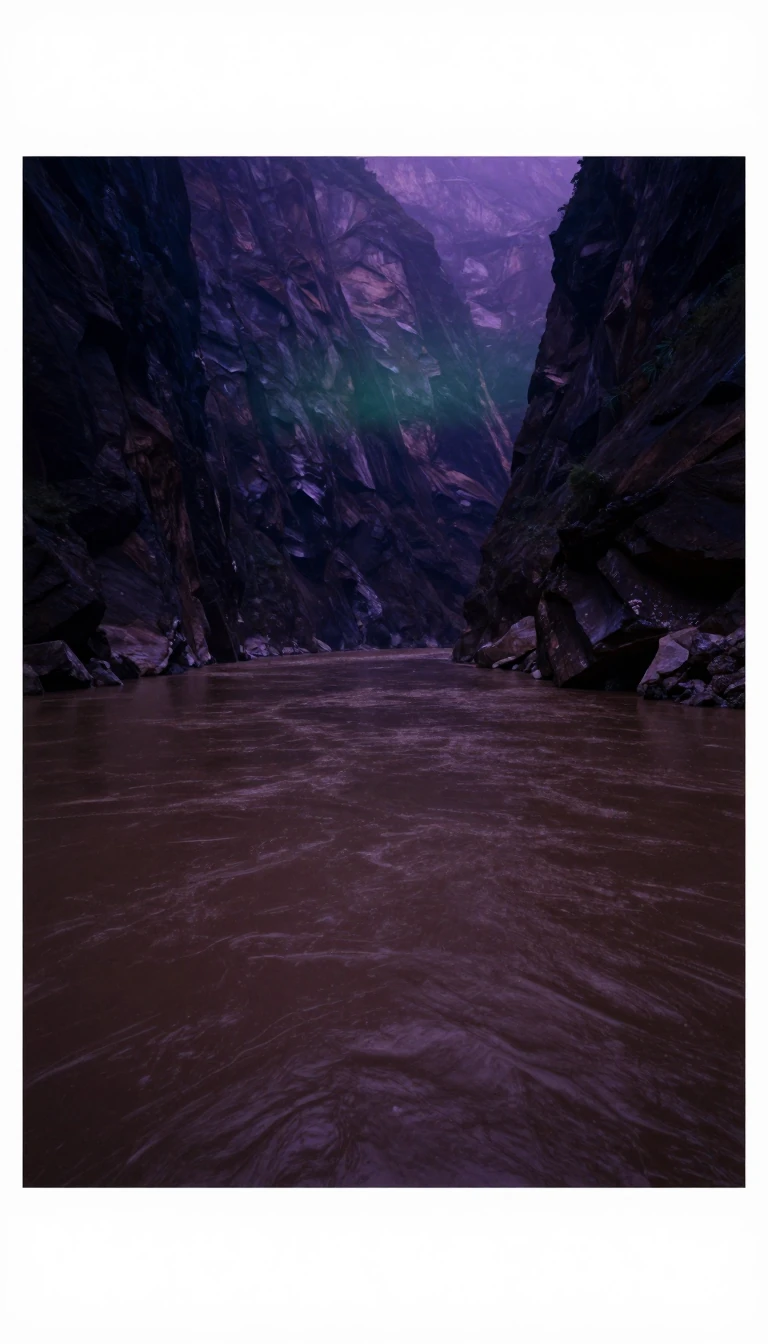
In short: For 34 million years, the Western Interior Seaway carved through the heart of North America, connecting the Arctic Ocean to the Gulf of Mexico. This shallow, tropical waterway created isolated environments for land animals and plants, while its depths teemed with massive marine reptiles and giant, toothy fish.
Existing from 100 to 66 million years ago, the Western Interior Seaway was a profound geological feature born from the downwarping of the continental crust as the Rocky Mountains began to rise. At its peak, this inland sea spanned over 3,200 kilometres in length and reached depths of up to 900 metres. It effectively divided the continent into three major landmasses: Laramidia to the west, Appalachia to the east, and Hudsonia in the north.
The seaway functioned like a giant estuary, with riverine inputs creating coastal jets and drawing in water from the Tethys and Boreal oceans. Its environment was highly dynamic; sea levels fluctuated repeatedly, causing the water to retreat and advance. These shifts periodically rejoined separated land populations, allowing for temporary mixing before isolating them once again. During the late Cretaceous, the region experienced periods of anoxia, where the water column became stratified and bottom waters were stripped of oxygen.
The biological diversity within the seaway was immense. It hosted predatory marine reptiles like mosasaurs and plesiosaurs, alongside massive fish such as Xiphactinus, which could grow up to five metres long. The skies above were dominated by pterosaurs like Pteranodon and early birds like the flightless Hesperornis. On the seafloor, oyster-like inoceramids thrived in oxygen-poor mud, leaving behind fossils that today help geologists identify specific rock formations across the Great Plains.
As the Laramide orogeny continued, the seaway eventually retreated south toward the Gulf of Mexico. By the early Paleocene, only remnants remained in the Mississippi Embayment. Today, the legacy of this ancient sea is preserved in the thick sequences of sandstone and shale that form the landscape of the American West, including the towering chalk formations of northwest Kansas.
Opens the Intellect+ feed with this card first. Swipe up for the next one.
Sources
- Summary by Intellect · source: Western Interior Seaway
- Also: serc.carleton.edu — Western Interior Seaway
To cite this card, link to https://intellectplus.co.uk/app/nature-western-interior-seaway.
How we source, check and correct cards: Editorial standards.
General information, not professional advice. Spotted an error? Flag the card or see corrections and complaints.
Intellect Plus is a visual educational discovery platform for exploring fascinating facts and ideas. Brain Food, Not Brain Rot. What is Intellect Plus?
Related
More in Geology · More in Nature · Latest · A–Z · All topics
