The white-tailed deer is the Americas' most widely distributed wild ungulate
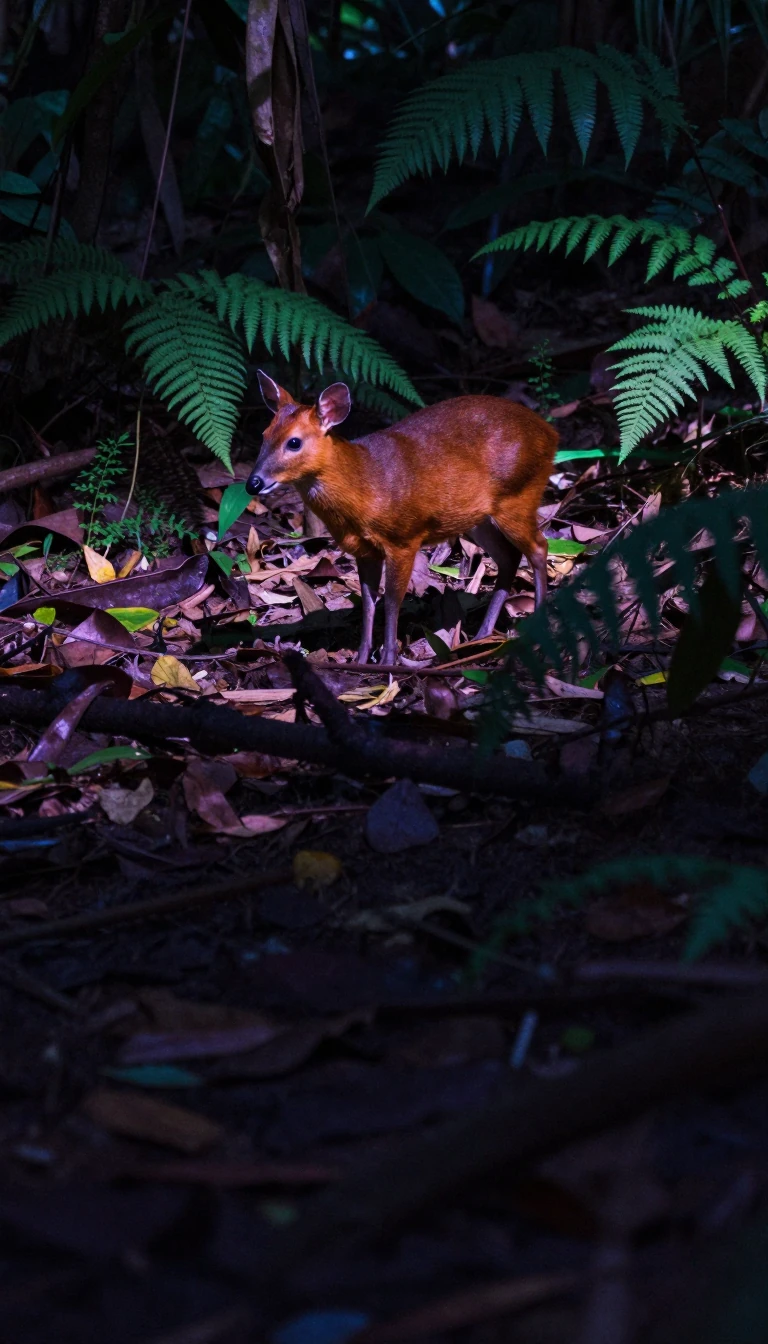
In short: From the arid grasslands of Mexico to the tropical basins of the Amazon, this medium-sized herbivore has mastered nearly every ecosystem. Its success is so profound that it has become one of the most widespread terrestrial mammals on Earth, often outcompeting native species and expanding into new frontiers.
The white-tailed deer (Odocoileus virginianus) is a master of adaptation. It thrives in diverse environments ranging from high-elevation Andean terrain to the Orinoco basins. In North America, it dominates much of the land east and south of the Rocky Mountains. Its expansion has been significantly aided by human activity; for instance, the conversion of land near the Canadian Rockies into agricultural use and the clear-cutting of coniferous trees have created favorable conditions that pushed its range as far northwest as the Yukon.
This adaptability comes with ecological consequences. In some regions, white-tailed deer populations have expanded at the expense of local caribou, elk, and moose. Their reach is so vast that they have been introduced globally for sport hunting, appearing in places like New Zealand and various European countries. However, their success isn't uniform; while they are common across much of the continent, specific subspecies like the Florida Key deer and the Columbian white-tailed deer are currently listed as endangered.
The taxonomy of the species is a subject of ongoing scientific debate. While some researchers have described between 30 to 40 distinct subspecies over the last century based on physical traits, modern genetic studies suggest there may be fewer actual subspecies within their range. This complexity is compounded in Central and South America, where high rates of overhunting and a lack of protection make it difficult for scientists to assess genetic differences or even confirm if certain areas still carry deer populations.
In the United States, Texas stands out as a primary stronghold, hosting an estimated 5.3 million individuals—a mix of wild herds and farmed animals bred for large rack size. The species' behavior is also distinct; they are primarily crepuscular, meaning they reach their peak activity during the transition periods of dawn and dusk, resting sporadically throughout the rest of the day.
Opens the Intellect+ feed with this card first. Swipe up for the next one.
Sources
- Summary by Intellect · source: White-tailed deer
- Also: iNaturalist — White-tailed Deer (Odocoileus virginianus) · CC BY-SA 4.0 (Wikipedia summary)
To cite this card, link to https://intellectplus.co.uk/app/nature-white-tailed-deer.
How we source, check and correct cards: Editorial standards.
General information, not professional advice. Spotted an error? Flag the card or see corrections and complaints.
Intellect Plus is a visual educational discovery platform for exploring fascinating facts and ideas. Brain Food, Not Brain Rot. What is Intellect Plus?
Related
More in Organisms · More in Nature · Latest · A–Z · All topics
