Why this small, black-and-white bird is the most fearless creature in the Australian bush.
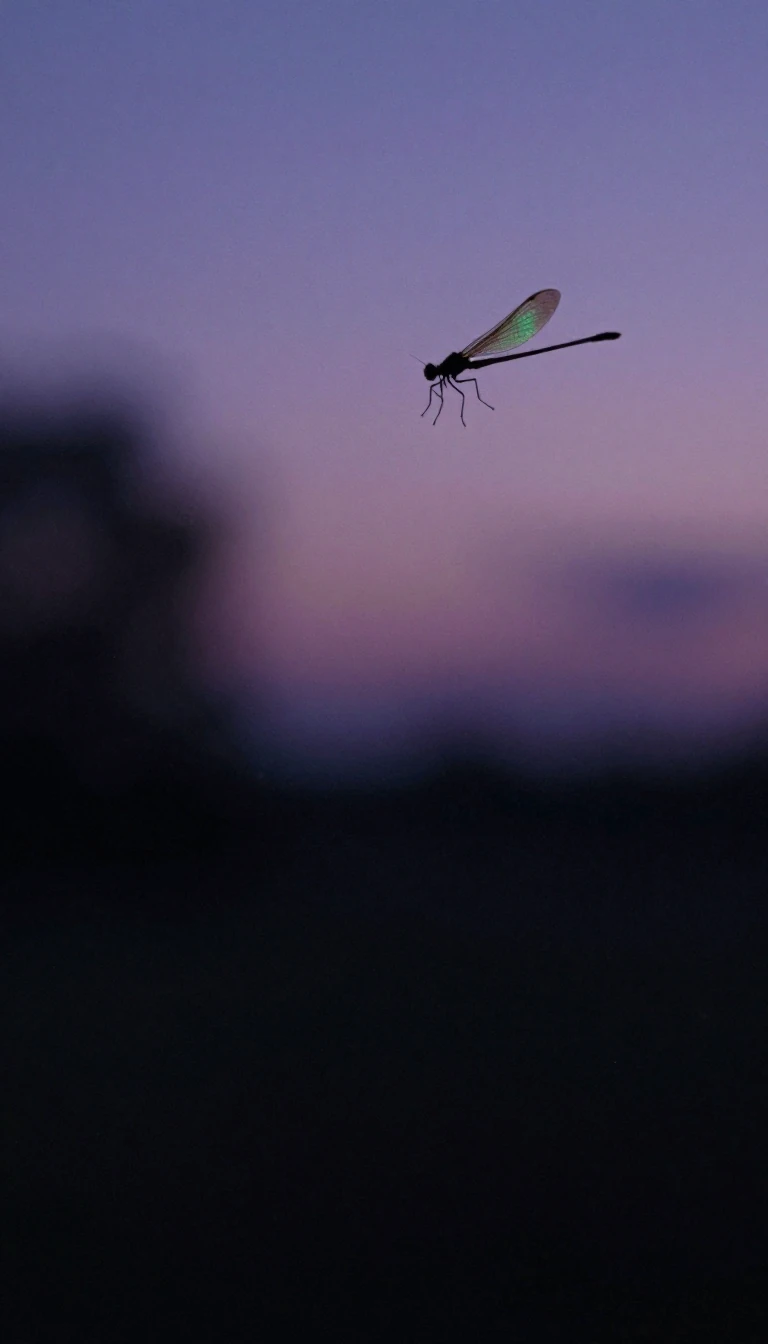
In short: The Willie Wagtail is a tiny, energetic bird that punches well above its weight. Known for its constant tail-wagging and bold personality, this insect-hunter is not afraid to harass birds many times its size, including kookaburras and eagles. It is a master of adaptation, thriving from remote outback to urban gardens.
The Willie Wagtail, or Rhipidura leucophrys, is a member of the fantail genus, though it is often mistaken for the true wagtails of the Motacilla genus. Despite its small stature—measuring roughly 19 to 21.5 centimeters in length—it is famously territorial and aggressive. It has been observed harassing much larger predators, such as the wedge-tailed eagle and the laughing kookaburra, to defend its space. This behavior is paired with a unique foraging style; the bird frequently follows livestock like cattle and sheep, snatching insects disturbed by their movement or using the animals as mobile perches to launch aerial attacks on prey.
Physically, the species is defined by its striking black-and-white plumage and a distinctive white eyebrow. While adult males and females appear similar, young birds are noticeably duller and browner. The species is highly vocal, utilizing a variety of calls ranging from a melodious whistle to a harsh 'chittit-chittit-chittit' used when mobbing predators. Interestingly, these birds are known to sing at night during the breeding season. Their nests are architectural marvels, constructed from fine grasses and plant material, held together by spider webbing, which gives the exterior a characteristic grey, cup-like appearance.
The bird is widespread, found across the Australian mainland, New Guinea, the Solomon Islands, the Bismarck Archipelago, and parts of Eastern Indonesia. It adapts to almost any environment, including grasslands, woodlands, and urban parks, though it is generally absent from dense rainforests. Three subspecies are recognized, with variations in size and wing length. Whether it is known as a 'shepherd's companion' for its habit of following livestock or as a 'troublemaker' in various Aboriginal traditions, the Willie Wagtail remains one of the most familiar and resilient birds in its range, having successfully integrated into human-altered landscapes.
Opens the Intellect+ feed with this card first. Swipe up for the next one.
Sources
- Summary by Intellect · source: Willie Wagtail
- Also: Willie wagtail
- Also: Willie Wagtail (Rhipidura leucophrys)
To cite this card, link to https://intellectplus.co.uk/app/nature-willie-wagtail.
How we source, check and correct cards: Editorial standards.
General information, not professional advice. Spotted an error? Flag the card or see corrections and complaints.
Intellect Plus is a visual educational discovery platform for exploring fascinating facts and ideas. Brain Food, Not Brain Rot. What is Intellect Plus?
Related
More in Organisms · More in Nature · Latest · A–Z · All topics
