The wild water buffalo is the massive, endangered ancestor of our domestic herds
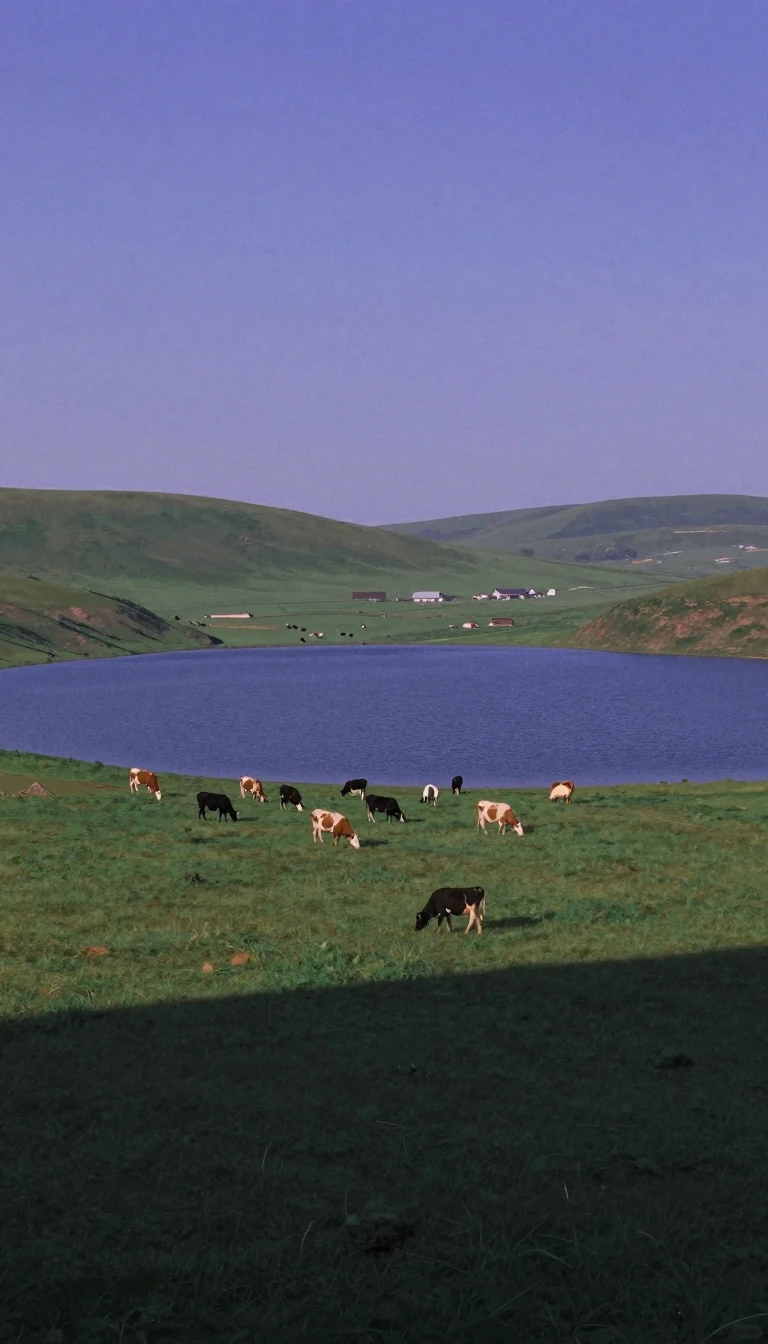
In short: Standing up to 190 cm at the shoulder with horns spanning two meters, the wild water buffalo is a formidable bovine. Once widespread across Asia, this species is now critically threatened by habitat loss and interbreeding with domestic cattle, leaving fewer than 4,000 mature individuals remaining in the wild today.
The wild water buffalo, scientifically known as Bubalus arnee, represents one of the largest living wild bovids. First described in 1792, this species is widely considered the progenitor of modern domestic water buffaloes. Despite this historical significance, its status in the wild has become precarious. Since 1986, the species has held an endangered designation on the IUCN Red List, with current estimates suggesting a global population of fewer than 4,000 mature animals.
These animals are highly adapted to wet grasslands and river valleys, where they live in complex social structures. Females and their offspring form stable clans led by older cows, while males often live in bachelor groups or as solitary individuals. Their diet is primarily composed of grasses and sedges, though they are opportunistic feeders that occasionally consume crops. Their physical presence is immense, with weights ranging from 600 to 1,200 kg, and they possess the largest horns of any living bovid species.
The survival of the wild water buffalo is currently hampered by a range of human-driven pressures. The most significant threat is hybridization with domestic and feral buffaloes, which dilutes the genetic integrity of wild populations. Additionally, habitat fragmentation caused by agricultural expansion and hydropower development, combined with competition for resources with livestock and the transmission of domestic diseases, continues to drive population declines. Conservation efforts, including translocations in Nepal and India, are underway to establish viable sub-populations and prevent further loss.
While populations in countries like Thailand, Cambodia, and Myanmar face severe hunting pressure and habitat degradation, some protected areas in India and Nepal provide a vital refuge. The species' future remains uncertain, with projections indicating a continued decline of at least 50 percent over the span of three generations. Protecting these remaining pockets of biodiversity is essential to preserving the wild lineage of one of Asia's most iconic large mammals.
Opens the Intellect+ feed with this card first. Swipe up for the next one.
Sources
- Summary by Intellect · source: Wild water buffalo
- Also: iNaturalist — Wild Water Buffalo (Bubalus arnee) · CC BY-SA 4.0 (Wikipedia summary)
To cite this card, link to https://intellectplus.co.uk/app/nature-wild-water-buffalo.
How we source, check and correct cards: Editorial standards.
General information, not professional advice. Spotted an error? Flag the card or see corrections and complaints.
Intellect Plus is a visual educational discovery platform for exploring fascinating facts and ideas. Brain Food, Not Brain Rot. What is Intellect Plus?
Related
More in Organisms · More in Nature · Latest · A–Z · All topics
