The 1st Canadian Division: A century of evolution from trench warfare to modern command
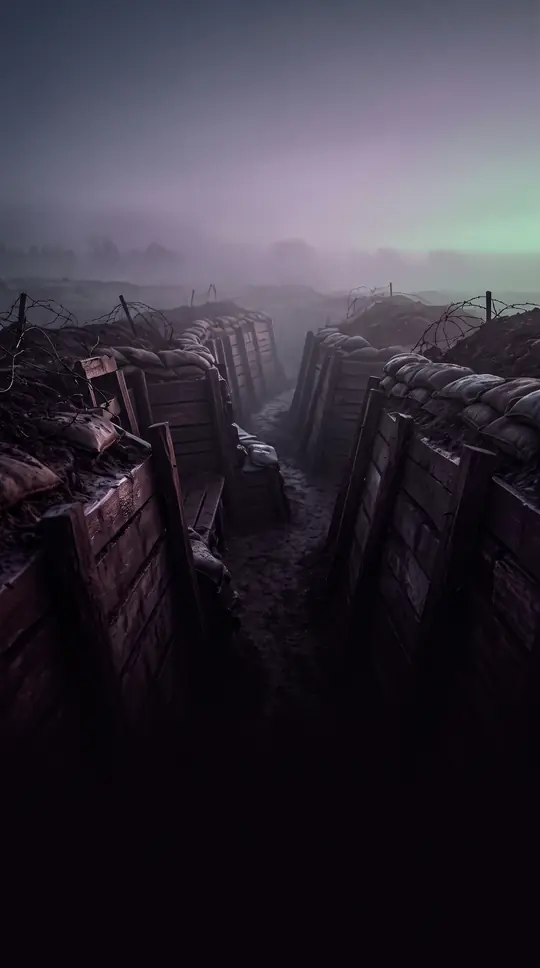
In short: Formed in 1914 for the Great War, the 1st Canadian Division has been a cornerstone of Canada’s military identity. From the gas-choked trenches of Ypres to its current role as a high-readiness joint headquarters, this formation has repeatedly adapted to the shifting demands of global conflict and national security.
The 1st Canadian Division originated in August 1914 as part of the Canadian Expeditionary Force. Initially concentrated at Valcartier Camp, the division was officially organized in January 1915 under British Lieutenant-General Edwin Alderson. Its early composition was massive, comprising roughly 17,873 personnel and nearly 5,000 horses. The division faced its first major trial in April 1915 at the Second Battle of Ypres, where it withstood German attacks that infamously introduced poison gas to the Western Front. Over the course of the war, the division earned a reputation as elite assault troops, participating in pivotal engagements including the Somme, Vimy Ridge, and the final hundred days of the conflict.
Following the First World War, the division was disbanded, only to be re-mobilized in 1939 for the Second World War. During this period, it played a critical role in the Allied invasion of Sicily and the subsequent Italian campaign, fighting through the Liri Valley and the Gothic Line. By 1945, it had reunited with the First Canadian Army to assist in the liberation of the Western Netherlands. The division’s structure remained highly fluid throughout its history, with units frequently added, reorganized, or moved to other formations to meet the tactical requirements of the era.
In the modern era, the division has been reactivated multiple times, including two stints during the Cold War and a third reactivation in 2010. Unlike its historical iterations, the contemporary 1st Canadian Division serves as a deployable, task-tailored joint headquarters. Based at CFB Edmonton, it is designed to command multinational and inter-agency forces at high readiness. This evolution from a traditional infantry formation to a strategic command hub reflects the changing nature of modern warfare, where the ability to integrate diverse assets is as vital as the strength of the infantry on the ground.
Opens the Intellect+ feed with this card first. Swipe up for the next one.
Sources
- Summary by Intellect · source: 1st Canadian Division
- Also: First Canadian Division | Canadian military unit | Britannica
- Also: Wikidata — 1st Canadian Division · CC0
- Also: Wikidata — 1st Canadian Infantry Division · CC0
To cite this card, link to https://intellectplus.co.uk/app/places-1st-canadian-division.
How we source, check and correct cards: Editorial standards.
General information, not professional advice. Spotted an error? Flag the card or see corrections and complaints.
Intellect Plus is a visual educational discovery platform for exploring fascinating facts and ideas. Brain Food, Not Brain Rot. What is Intellect Plus?
Related
More in Cities · More in Countries & Cities · Latest · A–Z · All topics
